A Win for Africa: Nigeria, South Africa, Mozambique and Burkina Faso exit the FATF's Grey list
African nations have once again achieved new milestones in their pursuit of stronger and more transparent financial institutions. The delisting of Nigeria, South Africa, Mozambique, and Burkina Faso from the Financial Action Task Force (FATF) grey list marks a significant stride toward improved financial integrity and global confidence.
On Friday, October 24, the Paris-based Financial Action Task Force (FATF) announced the removal of four African nations — Nigeria , South Africa, Mozambique, and Burkina Faso — from it's grey list.
This news has offered fresh perspectives about Africa's deliberate efforts towards building a transparent and crime free financial system. This milestone reflects years of reform, and commitment to strengthening financial integrity across the continent.
This was emphasized by FATF President in her Friday Speech, “This plenary has been a positive story for the continent of Africa, these countries have worked hard to close loopholes that criminals exploit. It’s the result of sustained efforts by authorities.”
THE FINANCIAL ACTION TASK FORCE
The Financial Action Task Force is the global money laundering and terrorist financing watchdog. Established in 1989, the FATF is an Intergovernmental body that sets standards to prevent illegal financial activities, particularly those connected to money laundering, terrorist financing, drug trafficking, the illicit arms trade, cyber frauds among other serious crimes.
Today, over 200 countries and jurisdictions are committed to implementing the FATF standards as part of a coordinated global response to preventing organised crime, corruption and terrorism. Through periodic evaluations and monitoring, the FATF strengthen their financial systems to protect global economic integrity.
THE DELISTING AND IMPACT
Over the years, the FATF has maintained it's "grey" and "black" list for countries they believe to not meet the required standards. It considers grey list countries to be those with “strategic deficiencies” in their anti-money laundering regimes, but which are nonetheless working with the organisation to address them.
Credible sources report that Nigeria and South Africa entered the radar of the FATF in early 2023, while Mozambique joined in 2022 and Burkina Faso in 2021. In the years that followed, these nations financed initiatives and reforms that strengthened their anti-money laundering and counter-terrorism financing frameworks.
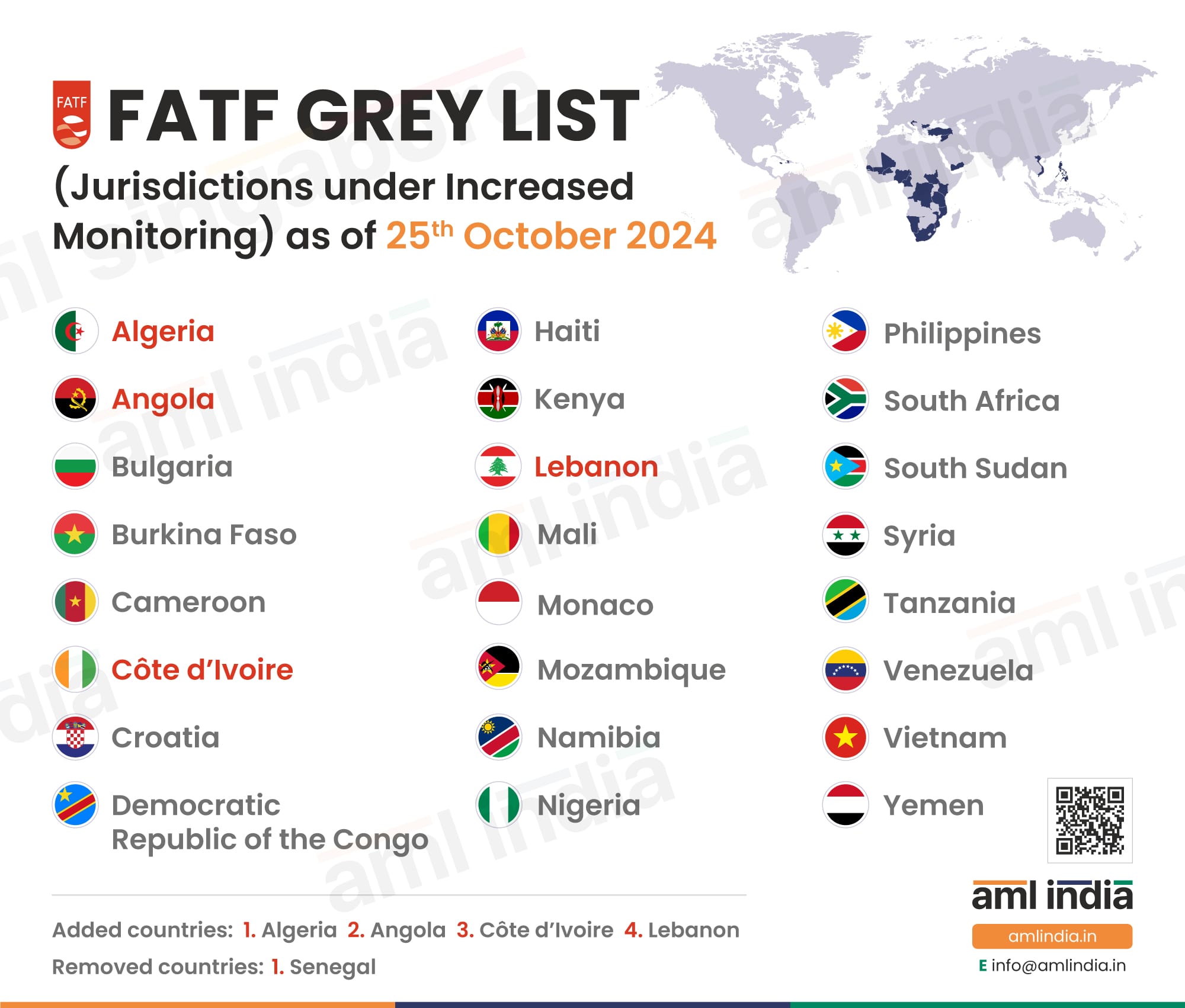
For Nigeria, the exit from the grey list was the outcome of an intense reform cycle coordinated by the Nigerian Financial Intelligence Unit (NFIU), Central Bank of Nigeria (CBN), and Federal Ministry of Finance.

The Key reforms include:
Full implementation of the Money Laundering (Prevention and Prohibition) Act 2022 and Terrorism (Prevention and Prohibition) Act 2022.
Creation of a Beneficial Ownership Register, addressing transparency gaps cited in Nigeria’s 2021 FATF mutual evaluation.
Stricter supervision of non-bank financial institutions and designated non-financial businesses (law, real estate, casinos).
Enhanced intelligence-sharing across the NFIU, EFCC, and regional AML body, GIABA.
Tougher penalties for erring financial institutions with seven of Nigeria’s largest banks facing a combined $10.7 million in regulatory fines in 2024.
These reforms significantly improved Nigeria's compliance scores on four FATF recommendations from "partially compliant" to "largely compliant".
South Africa's delisting came as a result of an equally rigorous effort to repair state institutions weakened during the state-capture era. The National Treasury, Financial Intelligence Centre (FIC), and Financial Sector Conduct Authority (FSCA) drove a 22-point FATF Action Plan and by mid 2025 — all it's provision had been substantially completed, paving way for the FATF on-site review and eventual delisting.
Some of the milestones reached in the process of these reforms are:
Establishment of a beneficial-ownership register under amendments to the Companies Act.
Expanded supervision of DNFBPs (attorneys, estate agents, trust service providers).
FSCA enforcement capacity increased sharply — AML-related fines rose from R25 million ($1.36 million) in 2022 to R175 million ($9.55 million) in 2024.
A dedicated AML/CFT prosecution unit under the National Prosecuting Authority achieved a record number of convictions in 2024–25.
Mozambique, on the other hand, had improved financial intelligence sharing and Burkina Faso had enhanced oversight of financial institutions and gatekeepers.
IMPACT AND SIGNIFICANCE
The removal of this four Africa nations from the FATF grey list marks a major milestone in strengthening the continent's financial integrity and rebuilding investor confidence.
For Nigeria and South Africa—two of Africa's largest economies, the delisting sends a clear signal to investors, global banks, and multilateral partners that Africa’s major markets can meet the highest international standards.
For Mozambique, this achievement is particularly timely—coming just as the nation prepares to restart a massive $20 billion natural gas project, a move expected to stimulate growth and attract foreign partnerships.
Analysts believe that this will boost capital inflows, reduce funding costs, and ease cross-border transactions, particularly for businesses and citizens that rely on international banking systems. According to the International Monetary Fund (IMF), being on the grey list reduces foreign capital inflows by about 7.6% of a nation’s GDP, largely due to higher compliance costs and de-risking behavior by global banks.
The removal from this grey list will also make it easier and cheaper for citizens working overseas to send money home which is particularly relevant for Nigeria, who according to reports receive about $20bn yearly in remittance inflows.
WHAT AFRICA IS SAYING
Following this new development, relevant stakeholders across the delisted countries have commended the collective efforts it took to achieving this. While there have been no official comments from Mozambique or Burkina Faso, Mozambican officials had signalled for several months that they were optimistic about their country's removal from the list.
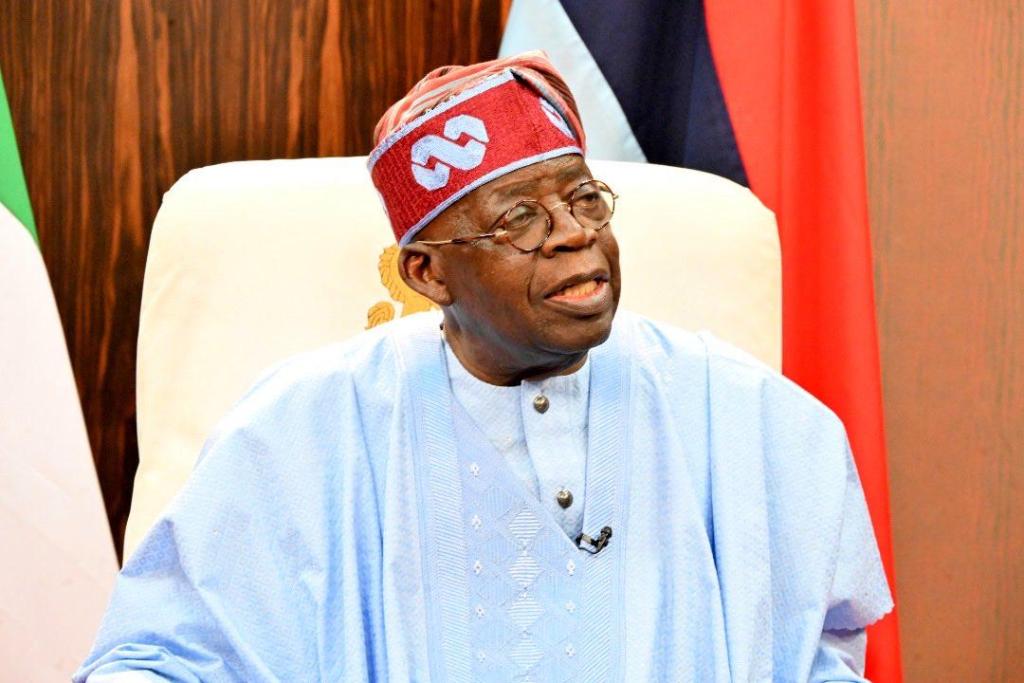
Nigeria's President, Bola Ahmed Tinubu described the delisting as a “major milestone in Nigeria’s journey towards economic reform, institutional integrity and global credibility”.
In South Africa, Edward Kieswetter, Commissioner of the South African Revenue Service (SARS) emphasized the ongoing fight against financial crime.
According to him, “This delisting is a vote of confidence in South Africa’s progress, but it is not an end to our vigilance. The fight against financial crime and corruption is a continuous one. SARS remains committed to upholding the highest standards of financial integrity and, as we approach the new round of FATF review commencing in the latter part of 2026, SARS will work relentlessly to ensure that we do what is required to combat the illicit economy. By doing so, we will not only maintain our standing with FATF but, more importantly, continue to build public trust and confidence in our financial system, and create a stronger, more prosperous South Africa for all.”
As the FATF begins its 12-month evaluation of these delisted countries, the true measure of success will not lie merely in their removal from the list but in the ability of these nations to maintain and sustain the reforms and policies that protect their economies and earned them delisting in the first place.
Ultimately, the delisting of these four African countries represents a renewed image for Africa—one that reassures the world of the continent’s growing commitment to transparency, institutional reform, and financial integrity, a commitment that must never waver.