7 Positive Global Developments That Deserve More Attention
Amid global chaos, real progress is unfolding. These seven developments prove the world is changing in ways most headlines ignore.
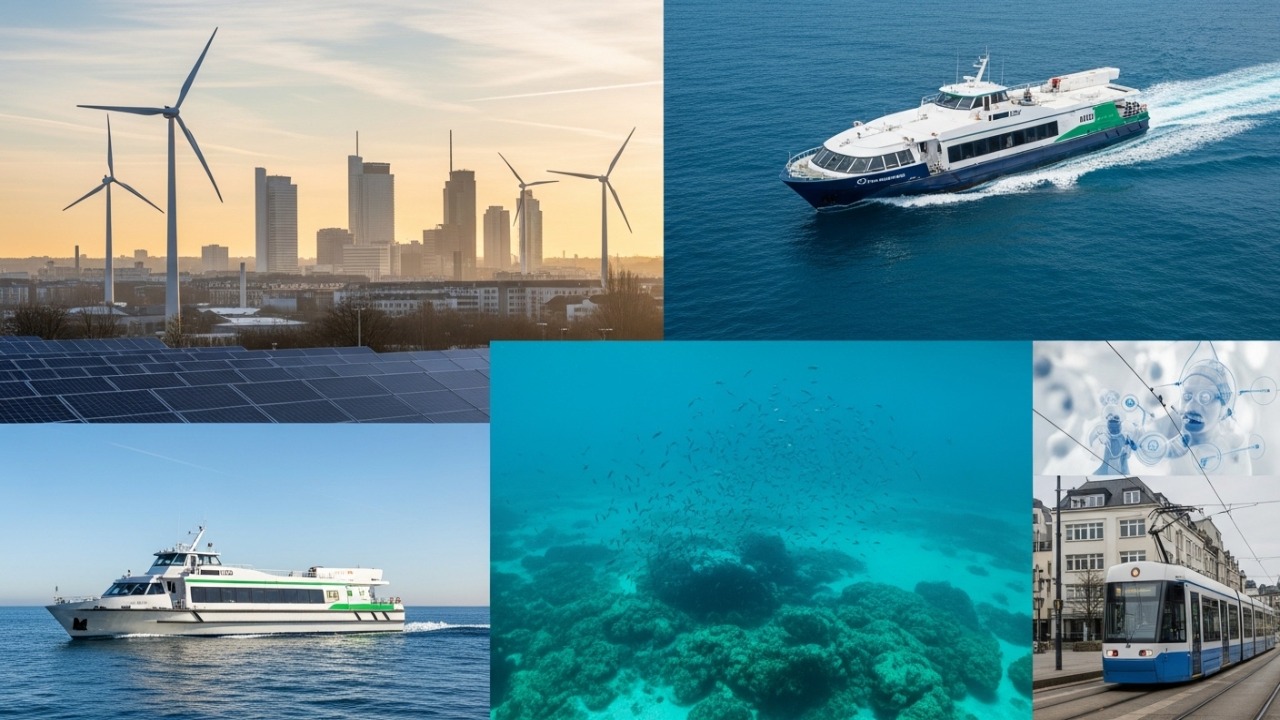
Scroll any news feed, and the algorithm will deliver conflict, collapse, and catastrophe. Yet beneath the noise, governments, researchers, and institutions have quietly implemented reforms and achieved breakthroughs that alter systems in measurable ways.
From banning entrenched industries to transforming energy grids, these are not symbolic gestures. They are structural shifts.
Here are seven verified developments that deserve sustained attention.
1. South Korea Ends the Dog Meat Industry
In January 2024, South Korea passed legislation banning the breeding, slaughter, and sale of dogs for human consumption.
The law provides a three-year transition period for farmers and vendors, alongside government support to help businesses pivot to alternative livelihoods.

For decades, animal welfare organizations had campaigned for reform. Surveys showed generational shifts in public opinion, particularly among younger South Koreans, who overwhelmingly opposed the practice.
The decision is not merely cultural. It signals how public ethics, once considered immutable traditions, can evolve through democratic processes.
2. France Criminalizes Influencer Promotion of Cosmetic Surgery
In 2023, with enforcement intensifying through 2024, France implemented one of the strictest influencer-regulation laws in the world.
The legislation bans social media influencers from promoting cosmetic surgery procedures and restricts advertising for certain high-risk aesthetic and extreme dieting products. Violations can lead to significant fines and potential prison sentences.
In an era where digital marketing often bypasses traditional advertising safeguards, France’s approach reframes online influence as a regulated commercial activity rather than a free-for-all marketplace.
3. Wind and Solar Overtake Fossil Fuels in the European Union
For the first time, wind and solar energy collectively generated more electricity than coal across the European Union.
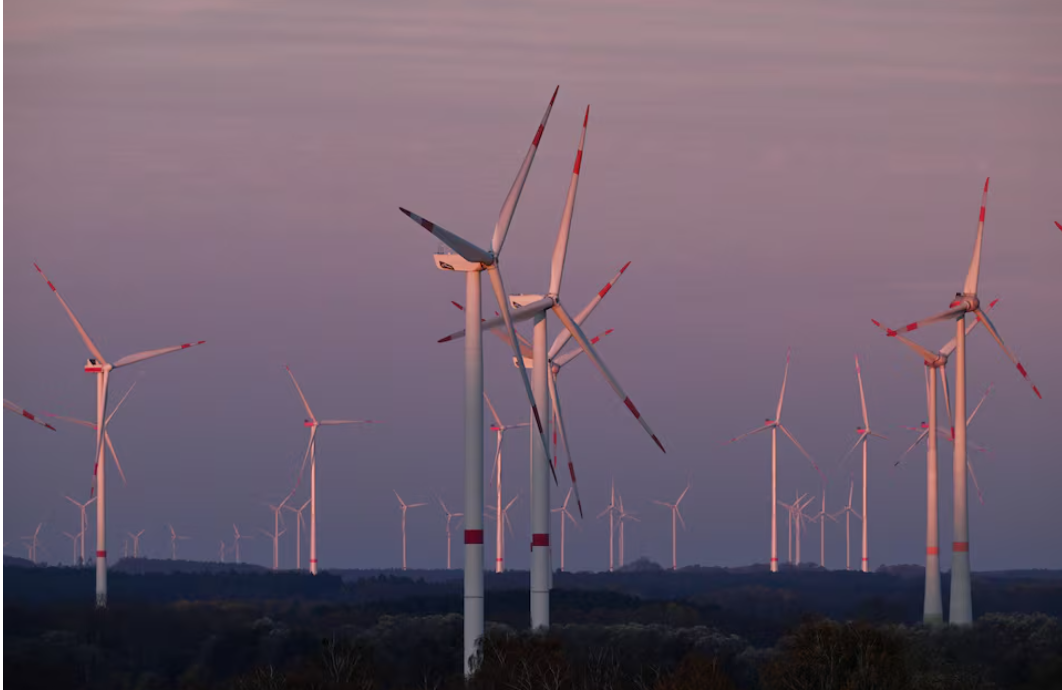
This milestone represents a structural pivot in Europe’s energy mix. Coal’s share of electricity production has steadily declined, while renewable capacity continues to expand through grid investment, offshore wind farms, and distributed solar infrastructure.
4. The High Seas Treaty Gains Ratification Momentum
The Biodiversity Beyond National Jurisdiction agreement, widely known as the High Seas Treaty, advanced significantly under the framework of the United Nations.
The treaty enables the creation of marine protected areas in international waters — regions that cover nearly half the planet’s surface but were previously governed by fragmented rules.
If fully implemented, it could transform how global oceans are managed, balancing economic use with ecological preservation.
5. Australia Moves Toward Eliminating Cervical Cancer
Public health modelling shows thatAustralia is on track to eliminate cervical cancer as a public health problem.
The outcome is the result of sustained HPV vaccination campaigns introduced more than a decade ago, combined with national screening programs. Unlike reactive healthcare interventions, this progress stems from a preventative strategy.

Elimination in this context does not mean zero cases, but reducing incidence to extremely low, manageable levels. It would mark one of the first times a cancer has been systematically pushed toward eradication through public health design.
6. Stockholm Launches Electric Hydrofoil Ferry
In Stockholm, an electric hydrofoil ferry now operates with drastically reduced emissions compared to traditional diesel vessels.


By lifting its hull above water on submerged foils, the vessel reduces drag, energy consumption, and wake impact. Maritime electrification remains less discussed than road vehicles, yet it represents a crucial component of urban decarbonisation.
Transport innovation is expanding beyond highways.
7. Regenerative Medicine Advances at Stanford
Scientists at Stanford University are advancing research into regenerative therapies that aim to restore aged or damaged tissue.
Researchers including Helen Blau have explored molecular pathways capable of rejuvenating aging cells.

The work remains in clinical development phases, but it represents a shift from symptom management toward biological repair.
If scalable, such research could redefine how degenerative diseases are treated.
Conclusion
Progress does not always trend. It advances through policy reform, scientific discipline, and institutional change. From energy transitions to public health victories and enforceable equity laws, these developments are not symbolic headlines; they are structural shifts.
The world’s challenges remain real, but so does its capacity to evolve.