7 Kitchen "Rules" Nigerians Swear By And Whether They Actually Work
Seven popular Nigerian kitchen rules, tested against science — from washing chicken to perfect jollof — which ones actually work and which ones don’t?
There is a particular kind of confidence that comes with Nigerian kitchen knowledge. It is not taught in culinary school. It lives in the way your aunty clicks her tongue when you are about to make a mistake or the way your mother says "that's not how we do it" without offering any really helpful explanation.
The rules are passed down with full authority and questioning them feels like asking for trouble.
But what if some of them are just wrong?
Well, not all of them. Some of our kitchen gospel are true while others have survived to this purely on reputation and probably because nobody tested them,questioned them and here we all are, following instructions that might not be doing what we think they are.
Here are seven of the most common ones, and the truth behind each.
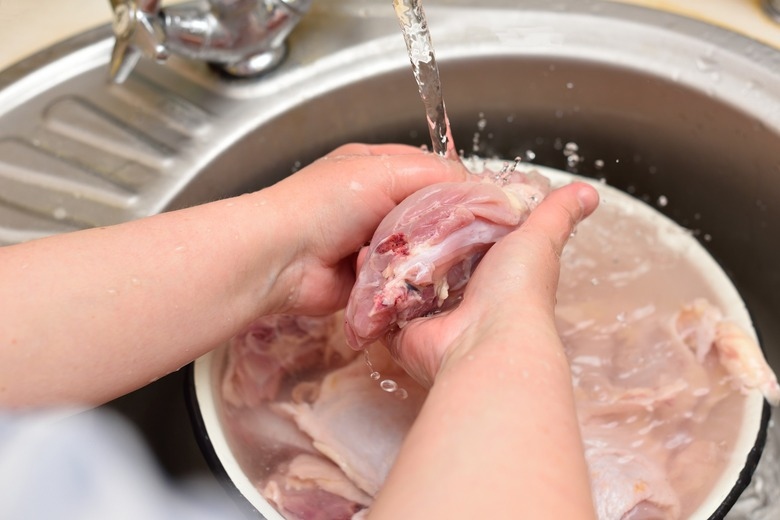
Washing Your Chicken Will Make It Clean
This one belief we hold dearly and it is something we all do and still do.
The idea is etched in our brains that raw chicken comes with bacteria, dirt, blood and washing it thoroughly removes all of that before cooking. It sounds reasonable, but science has said it is not.
It has been proven that washing raw chicken does not kill bacteria. What it actually does is splash that bacteria across your sink, your counter and anything nearby.
The only thing that actually kills the bacteria on raw chicken is proper heat and thorough cooking. The washing is just a ritual and the ritual might become dangerous.
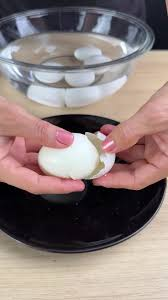
Cold Water on Boiled Eggs Makes Them Peel Easier
This one has earned serious loyalty. Boil eggs, transfer immediately to cold water and peel with ease. Except the science here is more complicated than a yes or no.
What cold water actually does is stop the cooking process and cause the egg white to contract slightly, which can create a small gap between the white and the shell.
But whether your eggs peel easily depends more on how old they are than the cold water trick. Older eggs peel more easily because the air pocket inside has expanded over time.
If your eggs are stubborn, cold water is not the problem; you just bought them too fresh.
Covering the Pot Locks In Jollof Flavour
There is a sacred rule in the Jollof rice making process and it is the covered-pot rule. The logic is that keeping the lid on traps steam, which keeps the rice from drying out quickly and lets the flavours settle properly.
And this is not entirely wrong but covering the pot for the entire cooking process can also create too much moisture, leading to mushy rice and a slightly flat flavour.
The real trick is knowing when to cover and when not to. Lid on when the rice is absorbing liquid. Lid off or slightly open near the end when you want that texture and the smoky bottom that everyone fights over at the party.
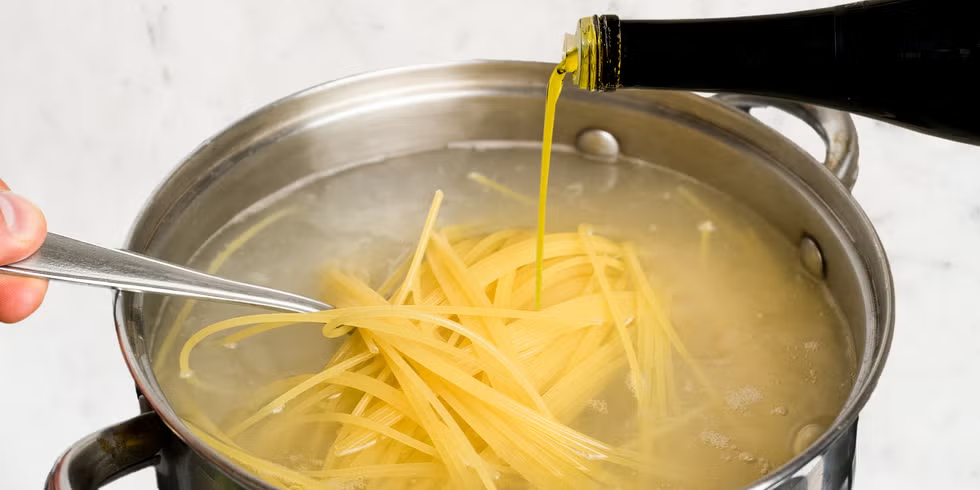
Adding Oil to Pasta Water Prevents Sticking
Not originally Nigerian, but it has been adopted and defended with great energy. The idea is that oil coats the pasta and stops it clumping together.
What actually happens is that oil floats on water, meaning it barely interacts with the pasta while it is cooking. When you drain, the oil coats the surface of the pasta and stops the sauce from gripping it properly.
The actual fix for sticking pasta is stirring it in the first two minutes of cooking and not leaving it sitting too long after you drain it.
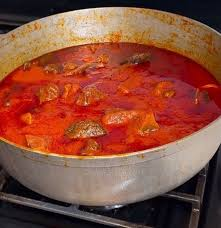
Frying Tomatoes Until the Oil Floats Means It Is Ready

This one is correct and it might be the most underrated piece of kitchen wisdom we have. When you fry down a tomato base and the oil begins to separate and rise to the top, it means the water content has evaporated and the sugars have caramelised.
The result is a deeper colour and a flavour that tastes cooked rather than raw and acidic.
Rush through this step and your stew will taste sharp and unfinished no matter how much seasoning you throw at it.
This rule has more than earned its place.
Salt Makes Water Boil Faster
Technically, dissolved salt raises the boiling point of water slightly, which means it actually takes a little longer to boil, not faster.
The real reason to salt your water is flavour. It seasons whatever is cooking in it from the inside — pasta, vegetables, anything. Speed has nothing to do with it.
Rinsing Rice Removes All the Nutrients
The concern is fair — rinsing does wash away surface starch and trace amounts of water-soluble vitamins.
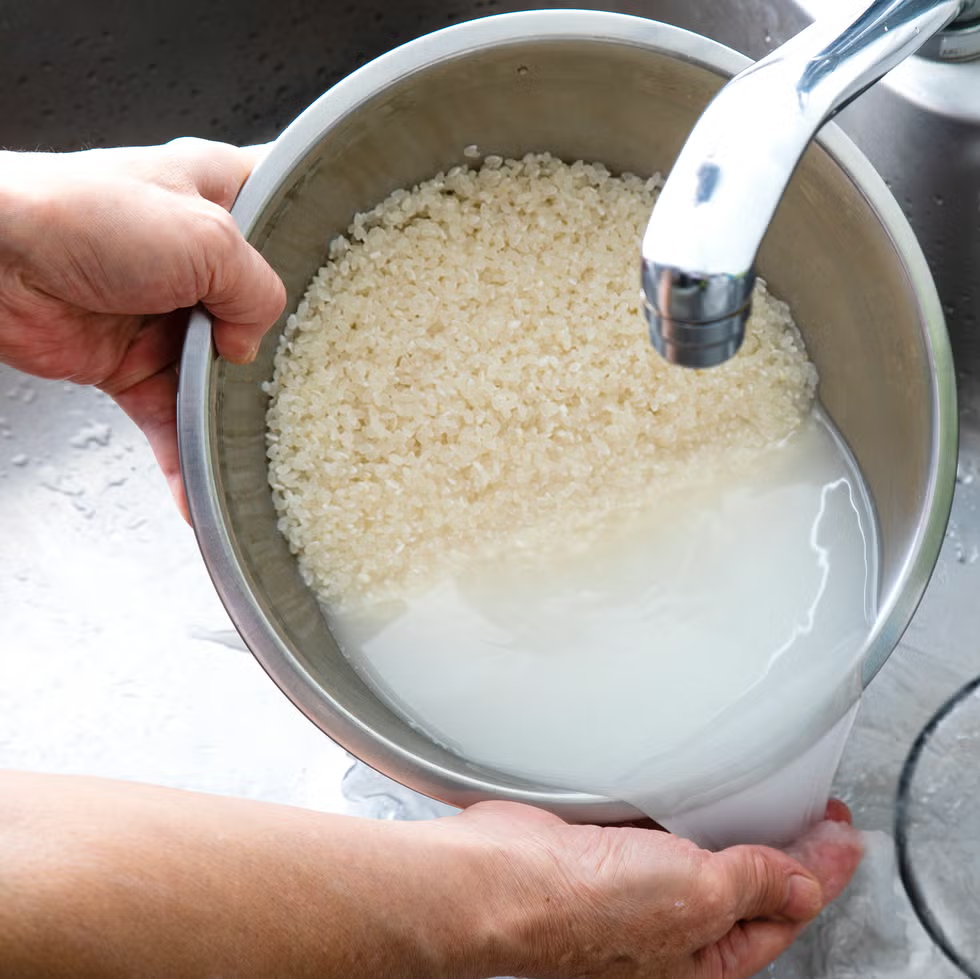
But what rinsing also removes is the excess starch that would otherwise make your rice sticky and clumped together. The nutrient loss is minimal and the texture improvement is worth it.
Some rules deserve to stay exactly where they are. Others just need someone to finally ask questions.