48 People Are Dead in Ondo. How Can You Tell If a Locally Made Alcohol Drink Is Dangerous?
After 48 deaths in Ondo linked to suspected methanol poisoning, here are warning signs of dangerous locally made alcohol and what to do if poisoning is suspected.
Forty eight people have been confirmed dead in Ondo State after drinking a locally brewed alcoholic concoction suspected to be contaminated with methanol.
This incident happened in two local government areas, Odigbo and Irele. These areas recorded 182 hospital cases between them, and officials are still hunting for the exact source.
The deaths have raised questions, especially for Nigerians who love to take a shot of ogogoro, paraga or any unbranded alcoholic drink: how do one know if what is in the bottle is safe to drink?
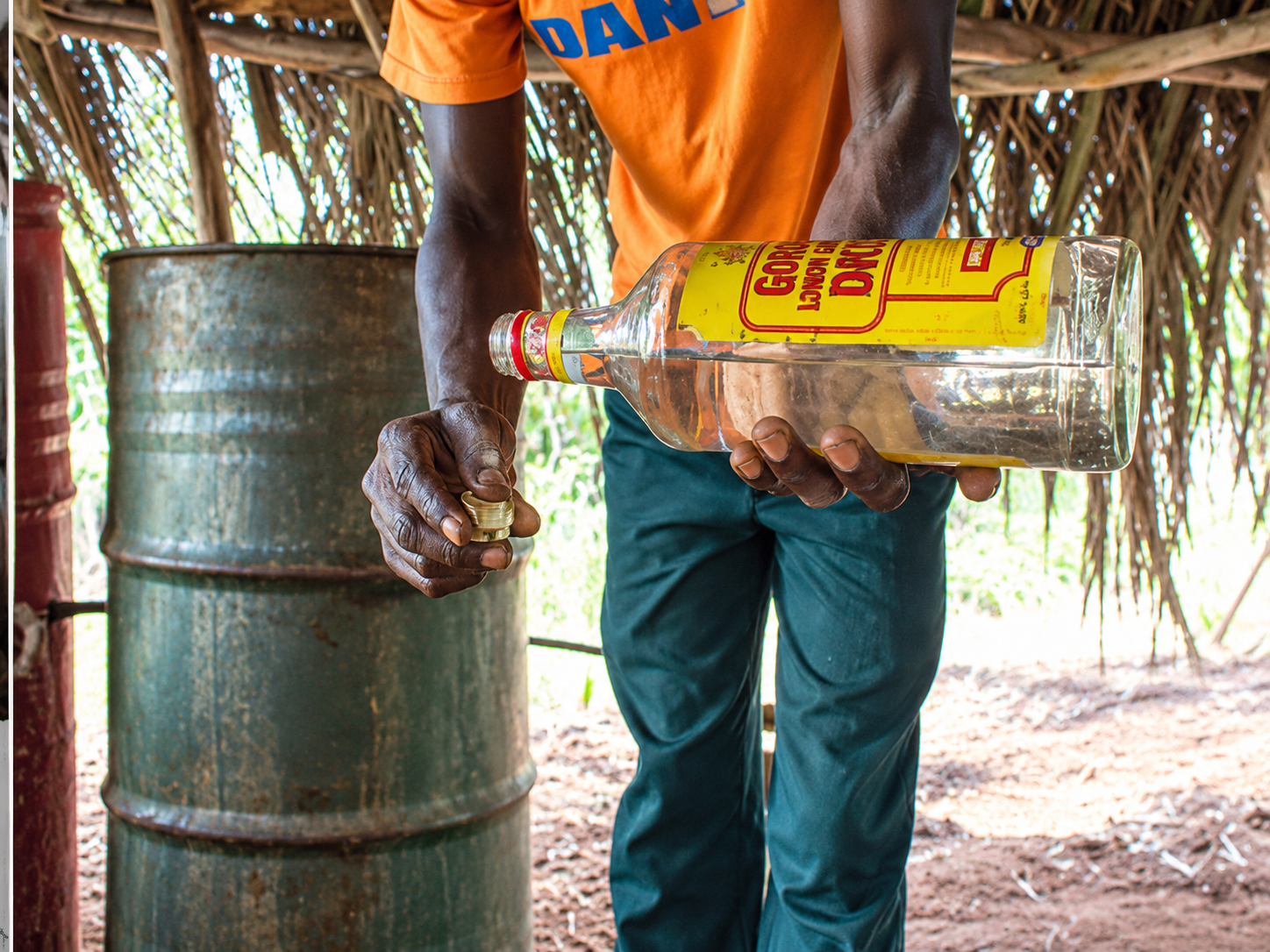
What Happened In Ondo State
Ondo State's health commissioner has confirmed that the urine samples from victims point to methanol poisoning.
The outbreak started in Odigbo Local Government Area, where 29 deaths were first recorded. It then spread to Irele, specifically the communities of Idogun and Gbogunron.
State health authorities are now working with NAFDAC, the World Health Organisation, the NDLEA, police and local security outfits to trace the contaminated batch and stop further deaths.
No brand, seller, or brewing location has been named yet, which means the danger is still active in the area.
Why Methanol Ends Up In Local Alcohol
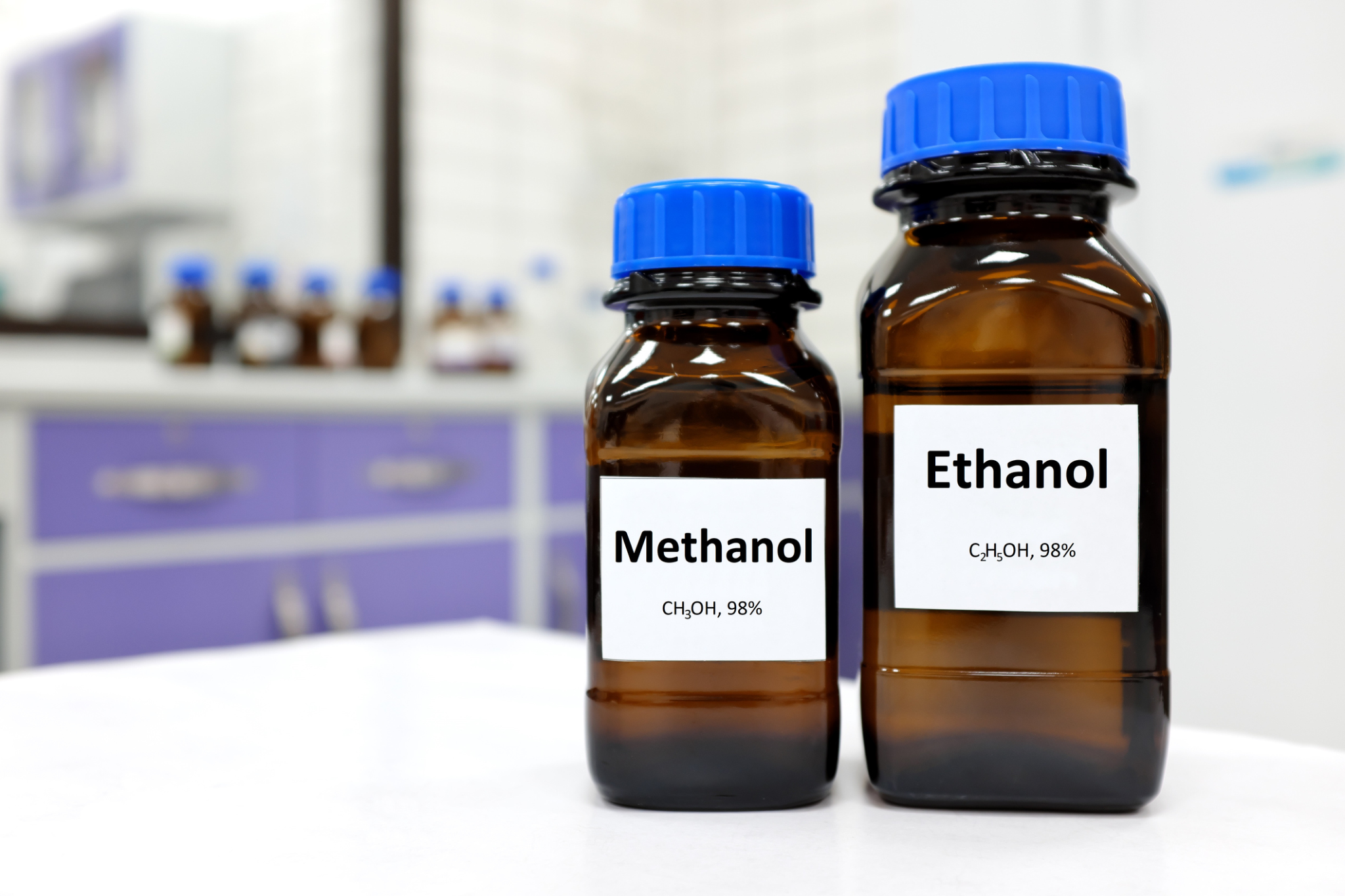
Methanol is not supposed to be in drinking alcohol at all. However, it can find its way into local gin and other home brewed spirits through poor or rushed distillation, contaminated water, or deliberate adulteration, usually done to stretch a batch, boost its strength, or cut costs.
Unlike ethanol, methanol is highly toxic even in small amounts. It often looks, smells, and tastes almost identical to normal alcohol in its early stages.
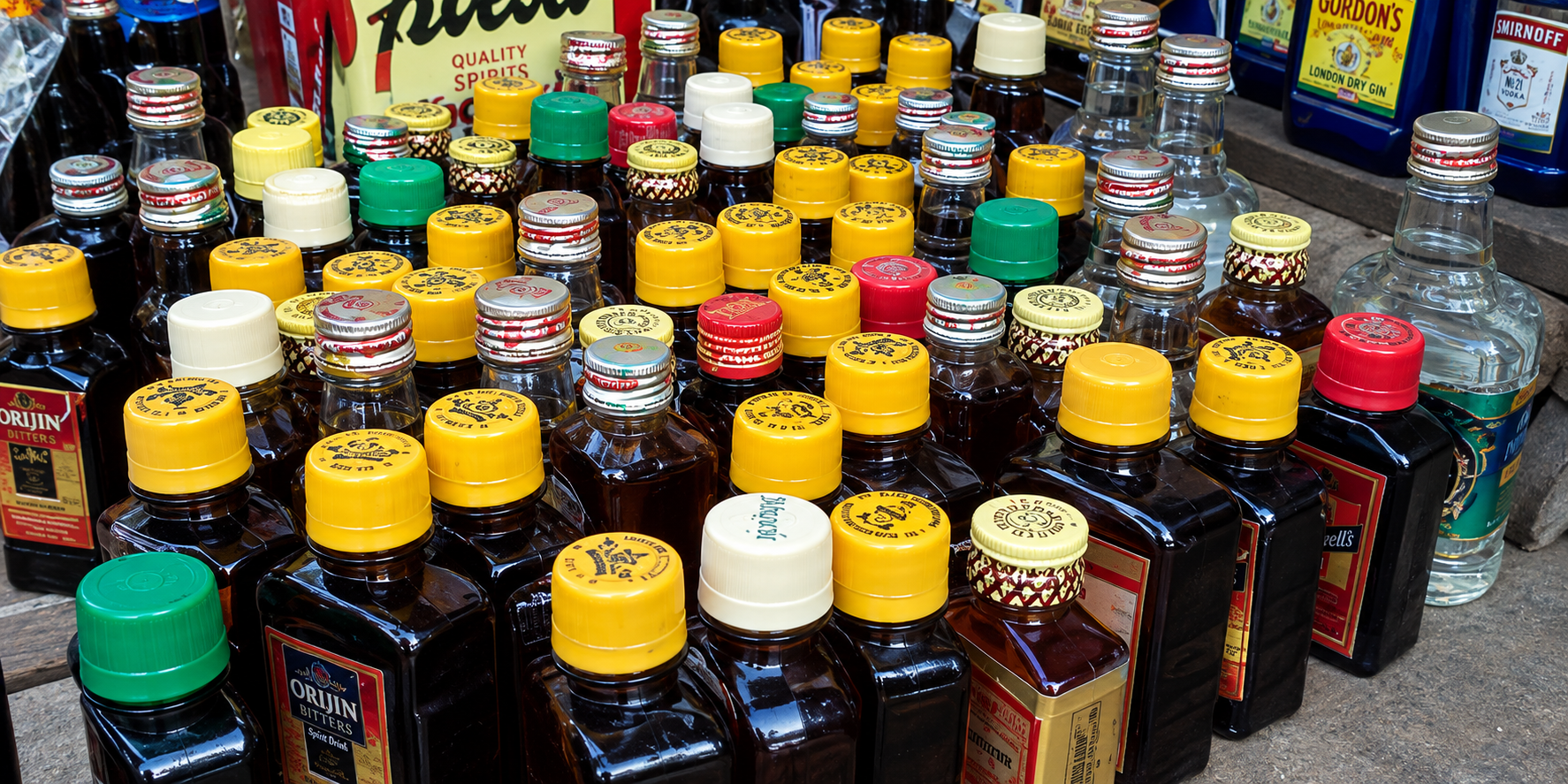
Nigeria's local spirit market runs largely outside NAFDAC regulation, so there is no standard batch testing before these drinks reach a bar, a kiosk, or a roadside seller.
One bad brew can spread across several communities before anyone notices a pattern.
How To Tell If Locally Made Alcohol Is Dangerous
There is no perfect test outside a laboratory, but there are checks that lower your risk significantly:
Smell the drink first. Methanol has a slightly sharp and more chemical odour than ethanol. It is closer to nail polish remover than the usual sharp bite of local gin. If a drink smells "off" or unusually harsh, do not taste it to confirm.
Try a simple burn test. A small amount poured into a spoon and lit should burn with a blue flame if it is mostly ethanol. A yellow, sooty flame can signal methanol or other contaminants. This is not foolproof but it is useful.
Look at clarity and sediment. Genuine local spirits are usually clear or lightly coloured depending on additives. Cloudiness, floating particles, or an oily film on top can point to poor distillation or contamination.
Be suspicious of unusually cheap or unusually strong batches. Sellers cutting corners often use methanol because it is cheaper than ethanol and gives a stronger kick. A sudden price drop or a new "extra strong" version of a drink you normally buy is worth avoiding until you know more.
Know your seller. Buy from brewers with a track record in your community rather than a new or unfamiliar seller, especially during contamination scares already in the news.

Pay attention to how your body reacts. Genuine intoxication comes with familiar signs. A delayed and unusually intense reaction, especially one that includes vision changes or severe headache hours later, is a warning sign that something in the drink was not normal alcohol.
Warning Signs Of Methanol Poisoning
Methanol poisoning symptoms often appear 12 to 24 hours after drinking and this is part that makes it deadly. By the time serious signs show up, a person may have already convinced themselves they simply had drunk too much and gone to bed instead of seeking help.
Watch for headache, dizziness, nausea and vomiting, abdominal pain, blurred or dimming vision, confusion, difficulty breathing, and seizures.
Vision problems are one of the clearest markers separating methanol poisoning from an ordinary hangover, since methanol specifically damages the optic nerve and can cause permanent blindness even in people who survive.
What To Do If You Suspect Poisoning
Do not wait for symptoms to worsen before seeking help. Get to a hospital immediately if you or anyone around you shows these signs after drinking a local drink, and tell the medical team exactly what was consumed and when.
Methanol poisoning hasa specific antidotethat works best when given early. If possible, keep the remaining drink or its container for testing, and report the seller or brewing location to local health authorities so it can be traced before it reaches anyone else.
The Ondo outbreak shows that local alcohol drinks are not inherently unsafe, but they are unregulated, so checking quality falls on the drinker.
A few seconds of caution can be the difference between a normal night and a hospital admission.