$3,000 to Name a Baby? When Parenthood Becomes a Luxury Service
A San Francisco woman charges up to $30,000 to name babies, turning parenthood into luxury branding. Is this harmless excess or a sign of society’s growing inequality?
Introduction
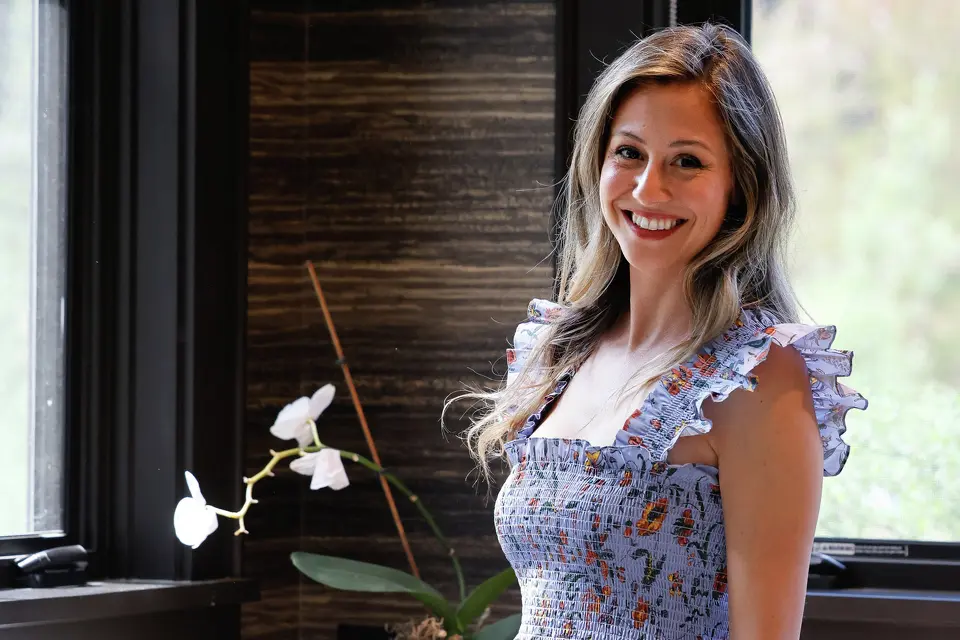
A San Francisco woman is making the headlines for charging about $3,000 and in some cases up to $30,000 to name a baby, you know we’ve entered a new age of luxury parenting. Taylor A. Humphrey, a baby-naming consultant, says she helps wealthy parents pick unique names, sometimes digging into family genealogy or branding a child’s name like a start-up. Her clients are the affluent, the anxious, and the status-hungry—those who treat a child’s identity not as a heritage to be passed down, but as a brand to be curated.
The story has sparked opinions for those who has come across and the reactions are as split as you’d expect. Some find it ridiculous, mocking parents who can’t do what most of us do for free. Others defend it as just another “luxury service” in a world where everything can be outsourced. But the real question is: what does it say about us as a society when even a baby’s name has a price tag? and it also begs the deeper question: would you pay $3,000 to name your child?
The Commodification of Parenthood
The questions flies around: is parenthood being commodified?
Parenthood has always been sacred. In African societies, names carry deep cultural, religious, and ancestral meaning. A name isn’t just a sound—it’s a prophecy, a blessing, a reminder of where one comes from. This has changed in today’s consumer-driven economy, parenting has turned into a marketplace. From designer strollers to private baby sleep coaches, raising a child is no longer about love and guidance alone—it’s about performance and prestige.
Hiring a consultant to name your baby may sound absurd, but it’s not far off from how society already treats children as projects to be optimized. A unique name becomes another form of status: the rarer, the better. The irony? Many of these paid-for names will still collide with schoolyard nicknames and the merciless honesty of teenage years.
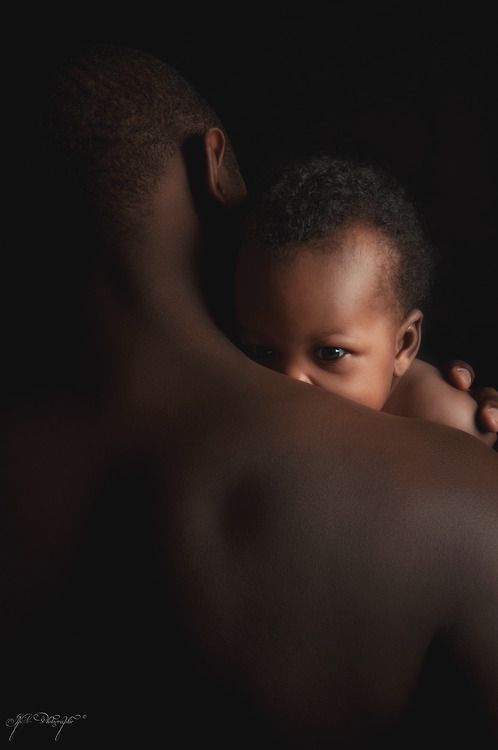
Why would parents pay thousands for something their grandmother could do over dinner? It boils down to a mix of wealth and insecurity. Wealthy families aren’t just paying for creativity—they’re paying to stand out. In a world where social media and branding dominate, uniqueness feels like currency. At the same time, the rising cost of living and societal pressures have made parents deeply anxious about every aspect of raising a child. The name becomes the first test: will it open doors, impress others, or make the child “memorable”? Suddenly, something intimate becomes transactional. This story hits differently when compared to African societies, where cultural names carry centuries of cultural depth and meaning. These names are not sold—they are inherited, gifted, or inspired. They bind families and communities.
The San Francisco baby-naming phenomenon exposes the sharp contrast between cultural richness and consumer excess. Where some cultures give names as heritage, others sell them as luxury.
So, Harmless Excess or Symptom of Inequality?
It’s tempting to laugh off the story as “rich people doing rich-people things.” After all, if someone has $30,000 to spend on a consultant, why not? But it also reveals the ever-widening gap between parenting realities. While one family debates whether Atlas or Zephyr sounds trendier, another is struggling to afford basic healthcare or school fees. The absurdity of paying for names is not just about extravagance—it’s about how privilege shields people from reality. It raises an uncomfortable truth: for some, parenting is an experience to be purchased. For others, it’s a survival game.
Names are powerful. They shape identities, carry stories, and live long after we’re gone. But they shouldn’t be commodities bought and sold in glossy packages.
So, when a baby-naming consultant charges thousands to do what love, tradition, and family history could do for free, it’s worth asking: are we raising children, or branding them?
Until society remembers that names are meant to connect us, not commodify us, the $30,000 baby name will remain the perfect symbol of parenting in the age of inequality.