28.5 µg/dL and Counting: Freeman’s Fight Against Lead Poisoning in Ogijo
Freeman’s blood revealed a toxic secret: twenty-eight point five micrograms per decilitre (28.5 µg/dL) of lead. Living near battery-recycling factories in Ogijo, Nigeria, his story exposes the devastating human cost of environmental neglect and the urgent need for action.
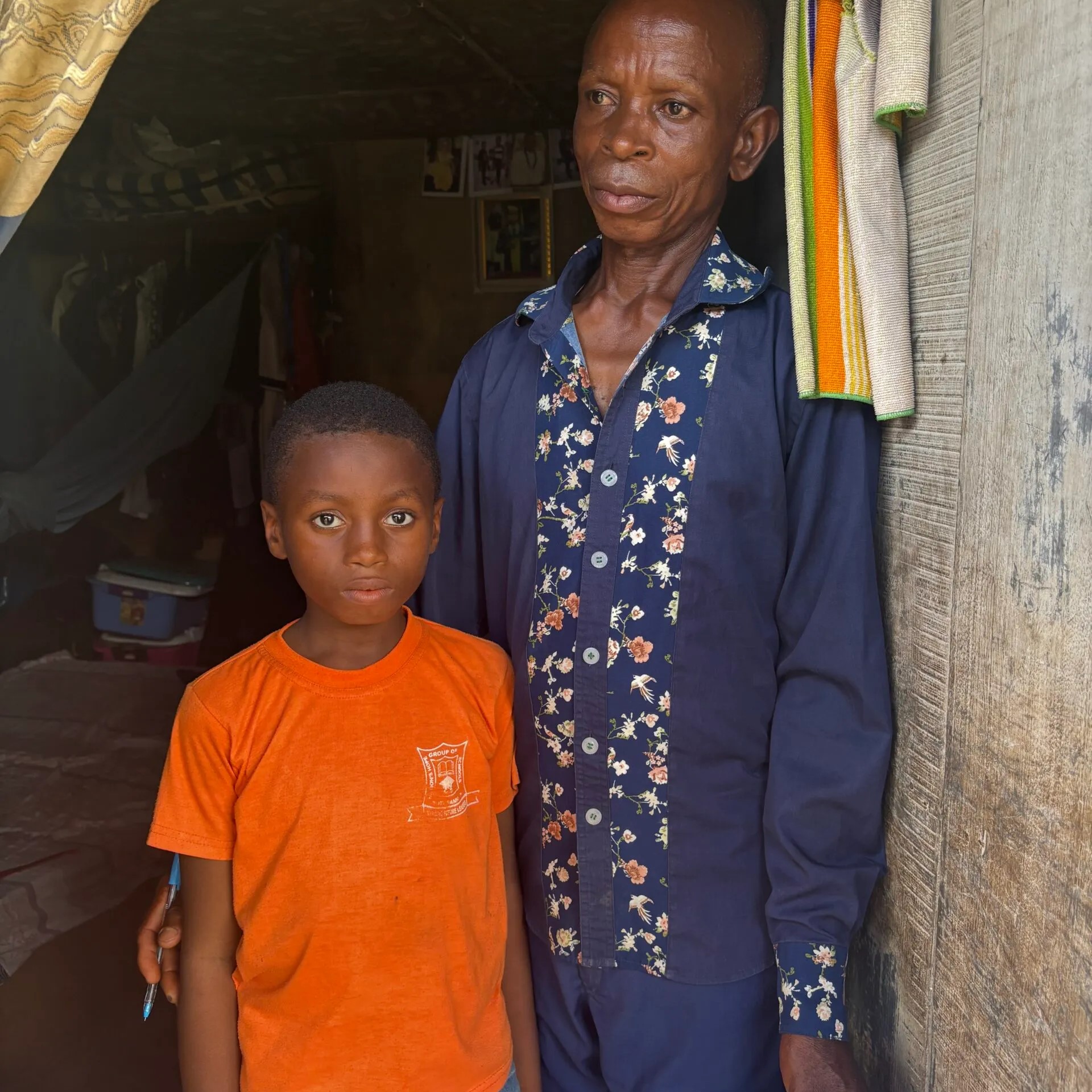
Freeman is eleven, small for his age, and full of the bright energy typical of a child who should be running, playing, and laughing. But something invisible is stealing pieces of him, his blood tells a story no child should live through. A recent blood test revealed a blood-lead level of twenty-eight point five micrograms per decilitre (28.5 µg/dL) more than five times what global health authorities consider dangerously high for children. This is a silent mark of a community poisoned by the very factories meant to provide jobs.
Freeman is not just a number, he is a living warning of what decades of unchecked industrial activity can do to ordinary families.
Freeman lives a stone’s throw away from several battery-recyclingfactories in Ogijo, on the Lagos–Ogun border. The factories promise jobs and opportunity. But they also release clouds of lead dust that settle silently on homes, playgrounds, farms, and water sources.
Lead is a cunning enemy. It accumulates in the body, damages the nervous system, interferes with growth, and in children can irreversibly impair cognitive development. There is no truly safe level, though the CDC flags anything above five micrograms per decilitre (5 µg/dL) as cause for urgent concern. Freeman’s twenty-eight point five micrograms per decilitre (28.5 µg/dL) is a clarion call.
How Freeman’s Blood Became a Wake-Up Call
Freeman’s case came to light after a community-led initiative prompted independent testing, conducted in collaboration with University of Ibadan scientists and overseen by local health officials. Blood samples were collected from seventy (70) individuals, including children, adults, and factory workers. Environmental samples from homes, schools, and playgrounds accompanied the blood tests.
Theresultswere shocking:
Children in the area averaged twelve micrograms per decilitre (12 µg/dL), well over the safe reference level.
Factory workers averaged twenty micrograms per decilitre (20 µg/dL), with some readings reaching thirty-eight point five micrograms per decilitre (38 µg/dL).
Residents living nearby but not working in factories averaged around nine micrograms per decilitre (9 µg/dL).
Freeman, a lively child whose days should have been carefree, emerged as the symbol of this quiet, creeping poison.
Life in the Shadow of Lead
Freeman’s days are punctuated by fatigue, stomach pain, and frequent illness. His teachers have noticed a decline in attention and memory, small signs of the cognitive toll that lead takes. Outside the home, dust hangs in the air like a gray veil, settling on rooftops and open food containers alike.
Neighbors describe the omnipresence of contamination. Women who sweep their homes notice a fine, gray powder. Children play in yards where lead-tainted dust mixes with soil. Adults cough and sneeze, often unaware that the cause may be the very industry they rely on for income.
Factories and the Fine Line Between Livelihood and Death
The recycling process itself is deceptively simple but lethal. Old car batteries are dismantled; metal plates are melted in furnaces, often without proper fume extraction or safety gear. Slag and acidic waste are discarded carelessly, contaminating soil and water.
For Freeman and other children, exposure is inevitable. Their tiny bodies absorb lead far more efficiently than adults, making them particularly vulnerable. Over time, lead can impair brain development, stunt growth, and compromise organ function.

A Community’s Cry for Help
Families have lived alongside these factories for years, often too afraid or powerless to challenge the status quo. “We knew the smoke and dust were dangerous,” one parent said, “but we had no proof, no one to listen.”
Schools, too, bear the brunt. Students report headaches, coughs, and chronic tiredness. Classrooms, playgrounds, and even kitchen surfaces carry invisible burdens. In this way, Freeman’s story is not unique, it is emblematic of an entire community silently poisoned.
Government and Regulatory Response
The investigation has forced action. In September 2025, NESREA sealed nine battery-recycling plants in Ogijo, including the factories nearest Freeman’s home. Authorities cited unsafe operations, lack of proper environmental documentation, and failure to test workers for lead exposure.
Yet closure alone is not enough. The soil, dust, and water that have accumulated years of contamination will require extensive cleanup. Children like Freeman need medical monitoring, nutritional support, and, where indicated, chelation therapy to remove lead from their bodies.
Freeman’s story is a warning. Lead contamination does not respect factory walls. It infiltrates homes, schools, and playgrounds. It robs children of their potential. For Ogijo and communities like it, the fight is not only against industrial negligence but also against time itself, the slow accumulation of toxins in children’s bodies.
In the end, the question is not just about factories or regulation, it is about the future of children who deserve to run, laugh, and learn in safety. Ogijo’s lead crisis is a human story, and Freeman is its heart.
Though the crisis in Ogijo has sparked thisinvestigation, the problem is not unique. Informal battery recycling, poor waste management, and weak regulatory oversight are widespread across Nigeria and other African countries. The rising demand for lead-acid batteries for vehicles, backup power systems, and off-grid energy, exacerbates the risk.
Lead is a cumulative toxin: once absorbed, it accumulates in the body, damages organs over time, and permanently impairs neurological development, especially in children. According to global health standards, there is no safe level of lead exposure: the reference threshold of five micrograms per decilitre (5 µg/dL) used to trigger public‑health interventions is not a “safe” limit, but a minimal benchmark for action.
The contamination of soil, water and air means that even if recycling operations stop, the legacy will linger unless environmental remediation, health monitoring, and community support are deployed.
Remediation, accountability, and prevention
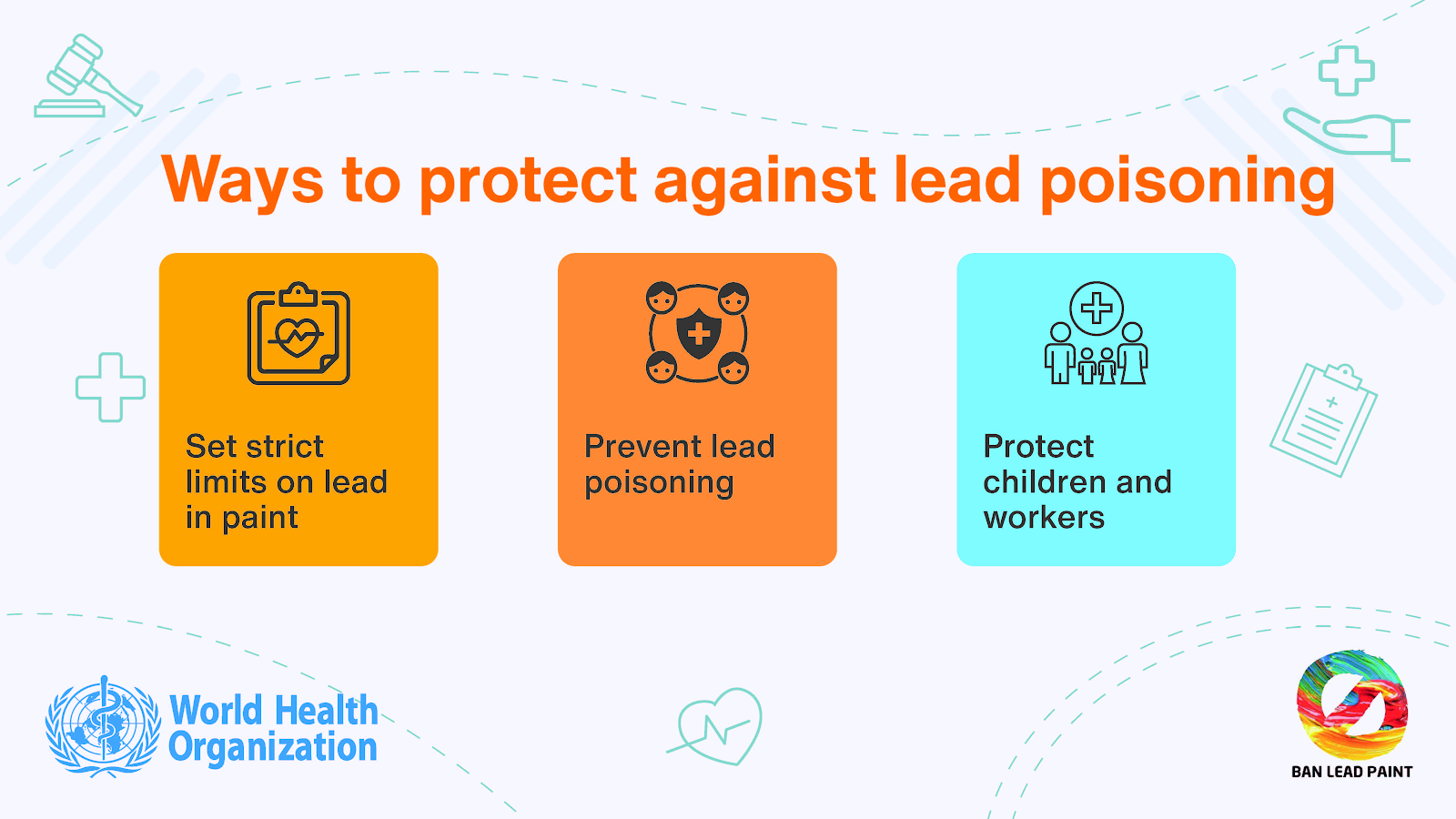
Based on the evidence from Ogijo and expert guidance on lead hazards, the following steps are urgently required:
Medical support for affected residents, especially children like Freeman: regular health monitoring, chelation therapy where appropriate, nutritional support, and developmental assessments.
Environmental cleanup: removal and safe disposal of contaminated soil/slag; sealing or covering polluted areas; decontaminating water sources; and cleaning households (dust, surfaces).
Regulatory enforcement and industry reform: Battery‑recycling operations must comply with established standards: proper fume‑treatment, protective gear for workers, safe slag/acid disposal, regular testing of workers and nearby residents.
Community engagement and reparations: Authorities and companies should engage with affected communities, acknowledge harms, compensate victims, provide relocation or safer housing if needed, and invest in long-term environmental health measures.
National policy overhaul: Expand and enforce the 2024 National Environmental(Battery Control) Regulations; standardize safe battery-recycling practices; establish stricter monitoring across all battery‑recycling sites; and integrate waste‑management with public‑health planning.