10 Popular Foods Nigerians Love That Didn't Actually Originate in Nigeria
From garri and jollof rice to chin chin and Indomie, here are 10 foods Nigerians now consider part of their culture that have surprising foreign origins
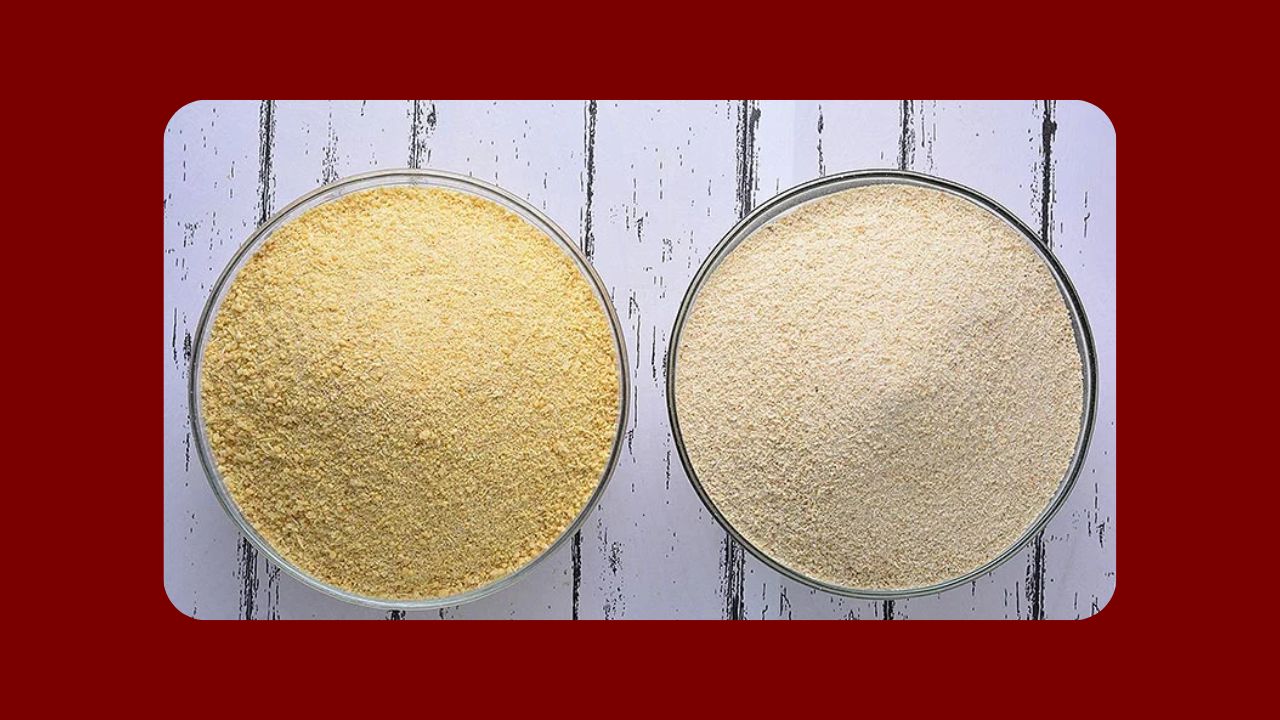
Ask any Nigerian to name something that belongs to us without question, and food comes up fast, sometimes even before cultural practices. The list starts to include food/snacks like garri, jollof, chin chin, as these are what we grew up with and it would be criminal for it not to belong to us.
But the truth is that a lot of what sits on Nigerian tables today did not start here. Some ingredients crossed oceans while others were borrowed, reshaped and claimed so thoroughly that their foreign roots got buried under generations of use.
None of that history takes away from how deeply local these foods now feel. It just complicates the story we tell about them. Here are ten foods that trace back somewhere else entirely.
Garri and Eba
Cassava, the root behind garri, is not African. It originated in South America and only reached West Africa in the sixteenth century, carried by Portuguese traders.
Formerly enslaved people who returned in the nineteenth century developed the fermenting and frying techniques that turned it into the garri Nigerians know today. The plant behind an entire food economy in the south was, for most of human history, growing thousands of kilometres away in Brazil.
Jollof Rice
The dish behind Nigeria's fiercest food rivalry did not start in Nigeria at all. Food historians trace jollof to the Wolof Empire in what is now Senegal, where a dish called thieboudienne became the foundation for what is now called jollof.
Nigerian jollof is a distinct and celebrated variation, but the pride behind the "Jollof Wars" rests on a dish whose roots sit several countries west.
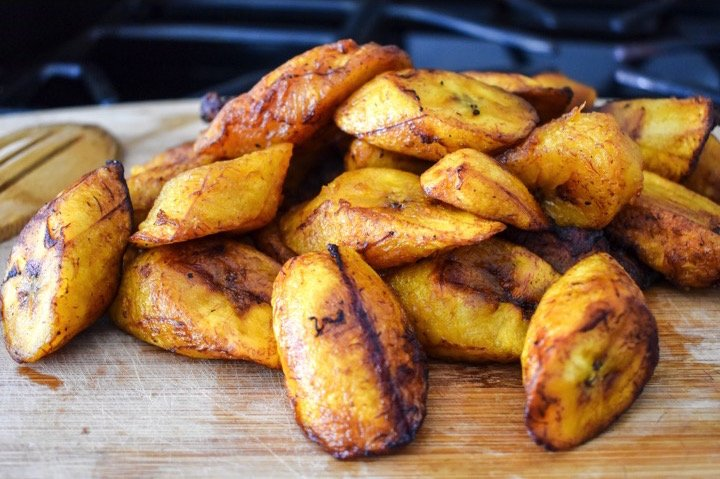
Dodo (Fried Plantain)
Plantain feels inseparable from Nigerian food culture, yet the fruit originated in Southeast Asia thousands of years ago. It reached Africa gradually through ancient trade routes and migration long before it became a fixture in Yoruba kitchens.
By the time it found its way into hot oil as dodo, it had already travelled further than most people realise.
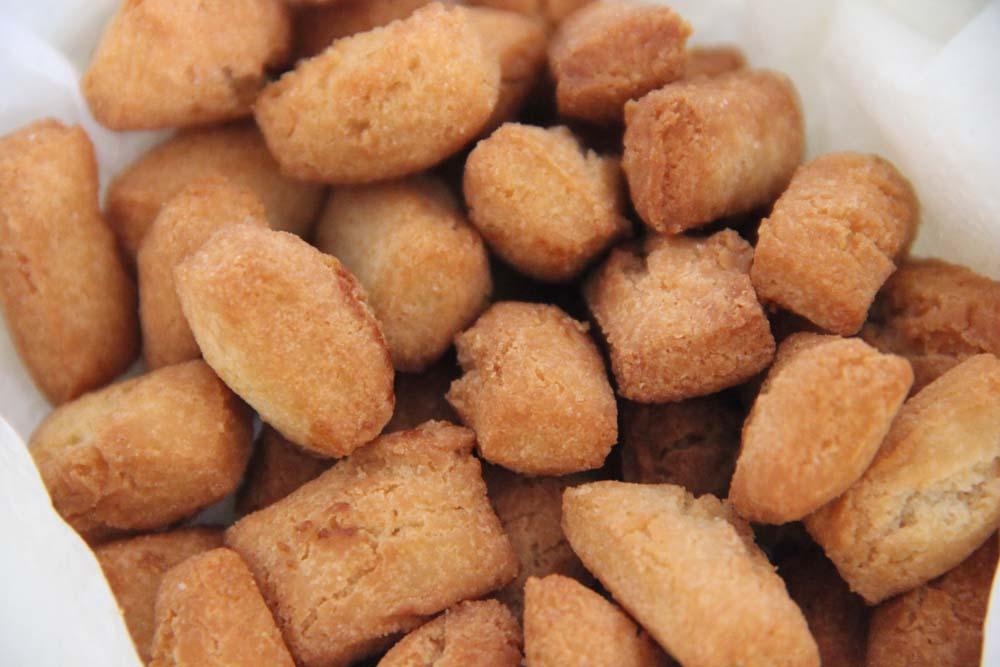
Chin Chin
The crunchy fried dough loved at every Nigerian party has roots tracing back to Portuguese pastry traditions, likely carried to Lagos by the Aguda in the nineteenth century with new recipes. What began as a colonial-era import became a snack so localised that most people assume it always existed here.
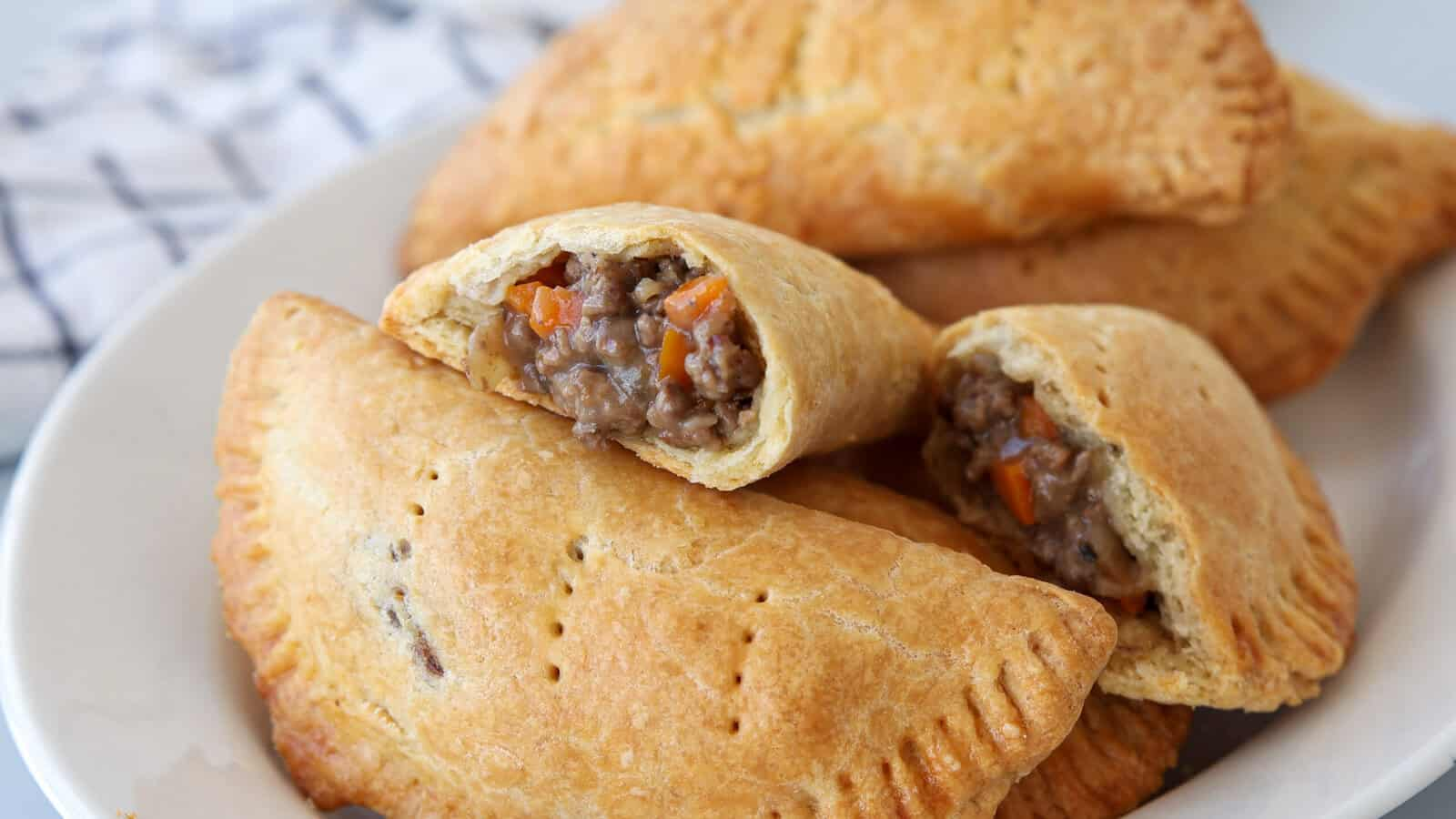
Meat Pie
Nigeria's beloved pastry owes its shape and structure to the British Cornish pasty, introduced during colonial rule and adapted with local seasoning and fillings. It is proof that a foreign template transformed with local flavour, can become an entirely different cultural object.
Indomie
Perhaps the most surprising entry for younger Nigerians. Indomie is not Nigerian. It is an Indonesian brand and the name is a contraction of "Indonesia" and "mie," meaning noodles.
Its dominance in Nigerian kitchens and street food stalls is so complete that many people assume it grew up alongside garri and yam. For a generation of Nigerians, "indomie and egg" is practically a comfort food category on its own, foreign origin or not.
Shawarma
Shawarma is Middle Eastern, specifically Levantin. Its roots are well known but its transformation into a near-permanent fixture on Nigerian streets earns it a spot on this list. What began as a regional specialty from Lebanon and Syria is now sold on almost every major road in cities across Nigeria wrapped and spiced to local taste.
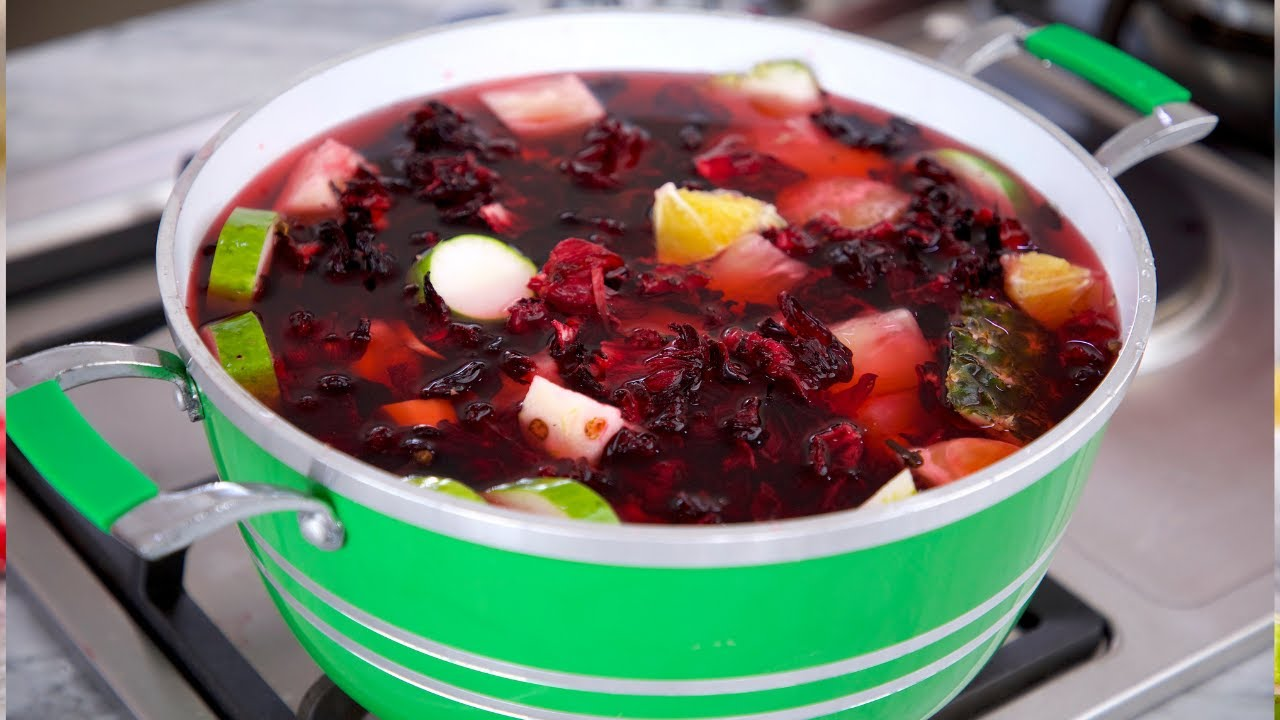
Zobo
The hibiscus drink many Nigerians treat as homegrown has roots stretching to Sudan and parts of East Africa, where a similar drink called karkade has existed for centuries. Hibiscus itself is believed to have originated in South Asia before spreading across Africa and eventually settling into Nigerian drink culture.
Samosa
This is a regular on every party's small chops table. The samosa's origins sit firmly in South Asia and the Middle East. It was carried to West Africa through trade and migration and its triangular shape and spiced filling have been adapted over time, but the format itself travelled a long way before landing on Nigerian trays.
Semo (Semovita)
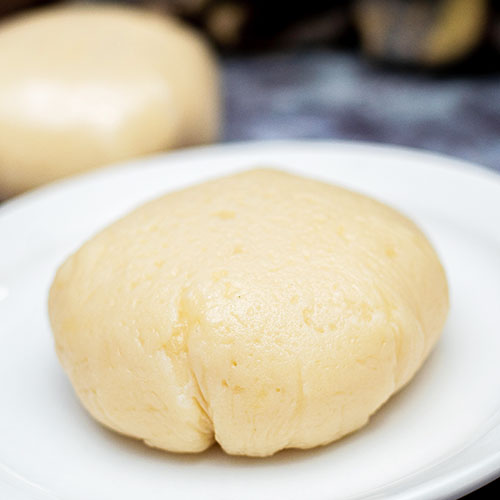
Semolina, the wheat product behind semo, comes fromdurum wheat with deep roots in the Mediterranean, particularly Italy. It was industrialised and packaged for the West African market decades ago, and Nigerians turned it into one of the most common swallow options nationwide, despite the wheat itself having nothing to do with Nigerian soil.
It sits on dinner tables next to eba and pounded yam as if it has always belonged there.
None of this makes these foods any less Nigerian in practice. Ownership in food culture is rarely about where an ingredient started. It is about what people do with it once it arrives, and by that measure, Nigeria has claimed every item on this list.