The Aluminium Foil You Add To Your Jollof Is Poisoning Your Party Jollof
Everyone loves the smoky taste of party Jollof—but few people know what hot foil may be transferring into the pot. That foil covering your smoky Jollof may be adding more than flavour. What happens when aluminium meets heat, tomatoes and spices?
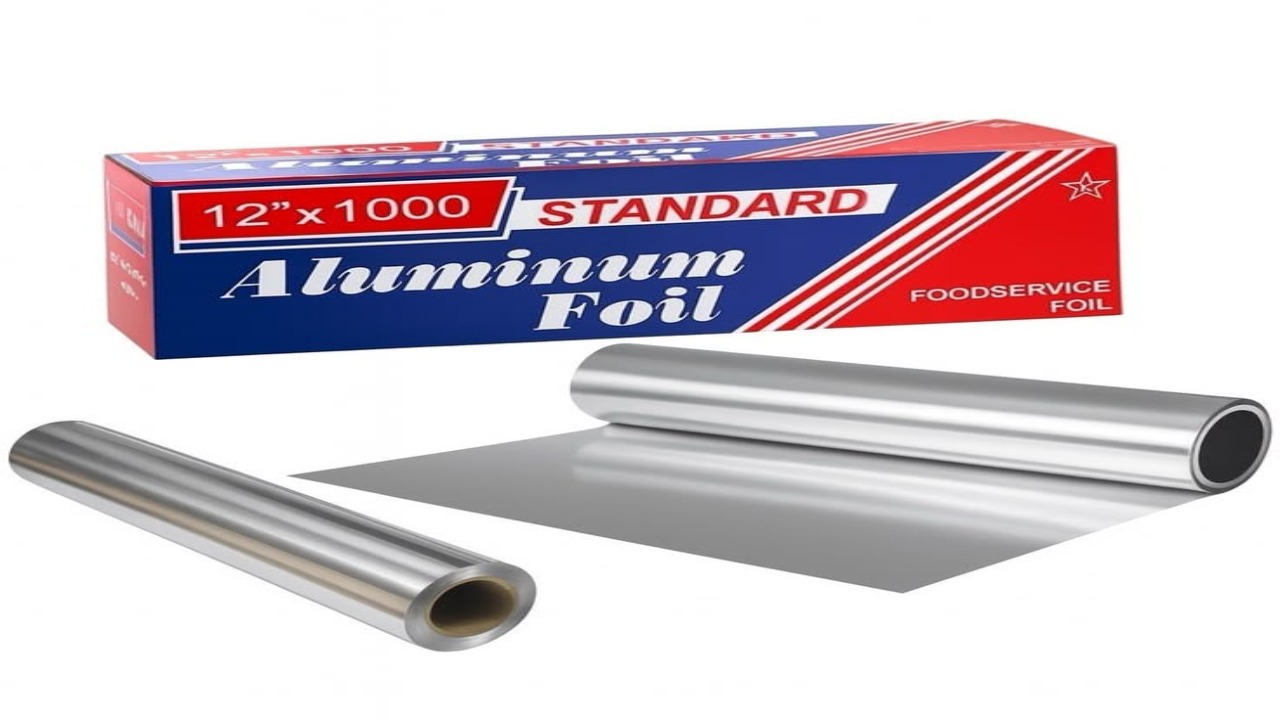
Aunty Bisi always sealed the pot the same way. Foil pulled tight over the rim, corners folded down twice so no smoke escaped, the whole thing left to sit over low firewood until the compound smelled like a party was about to start.
Nobody in that kitchen ever asked what the foil was doing to the food underneath it. They just knew the rice that came out was the one people fought over at the buffet table.
What Aunty Bisi didn't know, and most cooks still don't, is that the same foil creating that smoky magic is also shedding aluminium straight into the sauce. A 2012 study out of the UAE and Egypt, published in the International Journal of Electrochemical Science, tested this directly.
Researchers cooked sauces built from Jollof's own foundation, tomatoes, citric acid, vinegar, salt and spices, sealed them under foil, then measured what transferred into the food. One test with vinegar and extra seasoning came back at around 465 milligrams of aluminium per serving.
An oven test at high heat, the kind that produces that signature smokiness, measured about 361 milligrams. Health researchers put the safe weekly intake at roughly 120 to 140 milligrams for an average adult. A single plate from that study came close to using up the entire week's allowance in one sitting.
None of that means the smoky pot has to go. It means changing what touches the rice. But how do you keep the flavour Aunty Bisi built her reputation on, without the metal that came with it?
1. Let Parchment Paper Take the Hit Instead
Picture the same ritual, foil pulled tight, corners folded down, except now there's a layer of parchment or baking paper sitting between the rice and the metal.
The smoke still builds, the seal still holds; the difference is that the acid in the tomatoes and vinegar never actually touches the aluminium, so nothing leaches into the food while it cooks.
It's the smallest change on this list and the easiest one to make without anyone at the party noticing a thing.
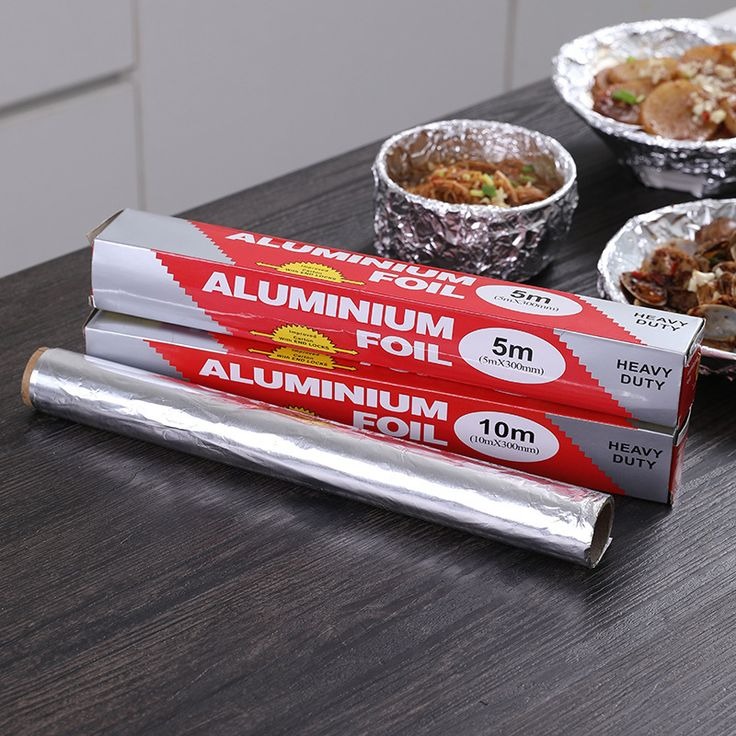
2. Trade the Foil-Sealed Pot for Cast Iron or Stainless Steel
There's a reason older generations swore by heavy iron pots long before foil became the shortcut of choice. Acidic sauces, the tomato and pepper base every Jollof starts from, react far less with stainless steel or cast iron than they do with aluminium.
Cook the whole pot in one of these instead of sealing a regular pot with foil, and the chemistry that caused the leaching in the first place never gets a chance to start. The pot gets heavier. The rice doesn't.
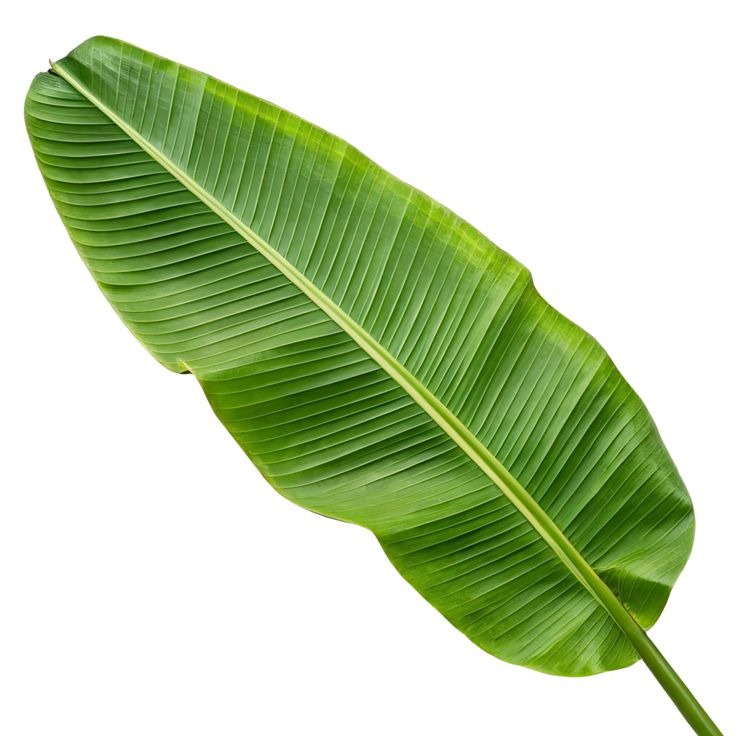
3. Go Back to Banana Leaves
Before foil, there was banana leaf, layered over the pot the way grandmothers did it for decades. It holds in smoke and moisture just as well, and it carries its own faint sweetness into the rice that foil never gave you.
Cooks chasing an authentic smoky flavour instead of just a shortcut often find the leaf gets them closer to what Jollof tasted like before aluminium entered the kitchen at all. It takes more effort to source. It asks nothing of your kidneys in return.
4. Shorten the Foil's Time in Contact With the Food
If foil is staying in the kitchen, the fix is in the timing. Leaching gets worse the longer hot, acidic food sits pressed against the metal, and it gets worse again the higher the heat climbs.
Sealing the pot for a shorter stretch, or lowering the flame slightly while it smokes, cuts down how much aluminium has the chance to transfer before the rice comes off the heat. The smoke still forms. It just doesn't have as long to pull metal along with it.
5. Save the Foil for Cold Food
Foil isn't dangerous by nature. It's dangerous specifically when it meets heat and acid at the same time, the exact combination that made Aunty Bisi's Jollof taste so good.
Used for wrapping leftovers, cold non-acidic snacks, or food headed straight to the fridge, foil never triggers the chemical reaction that caused the numbers in that 2012 study. The material isn't the enemy. The pairing is.
Conclusion

Aunty Bisi's rice earned its reputation honestly, the smoke, the seal, the hours over firewood. The recipe never needed the aluminium. It just inherited it, the way most kitchen habits get passed down without anyone checking what they're actually doing to the food.
Parchment paper, cast iron, banana leaf, a shorter seal time, or foil kept strictly for cold dishes, any one of these keeps the party pot exactly as smoky as it's always been. The party doesn't have to change. Only what's sitting under the foil does.