Zulu King IGNITES National Outcry: Demands Removal of 'Colonial' Natal Name from Province
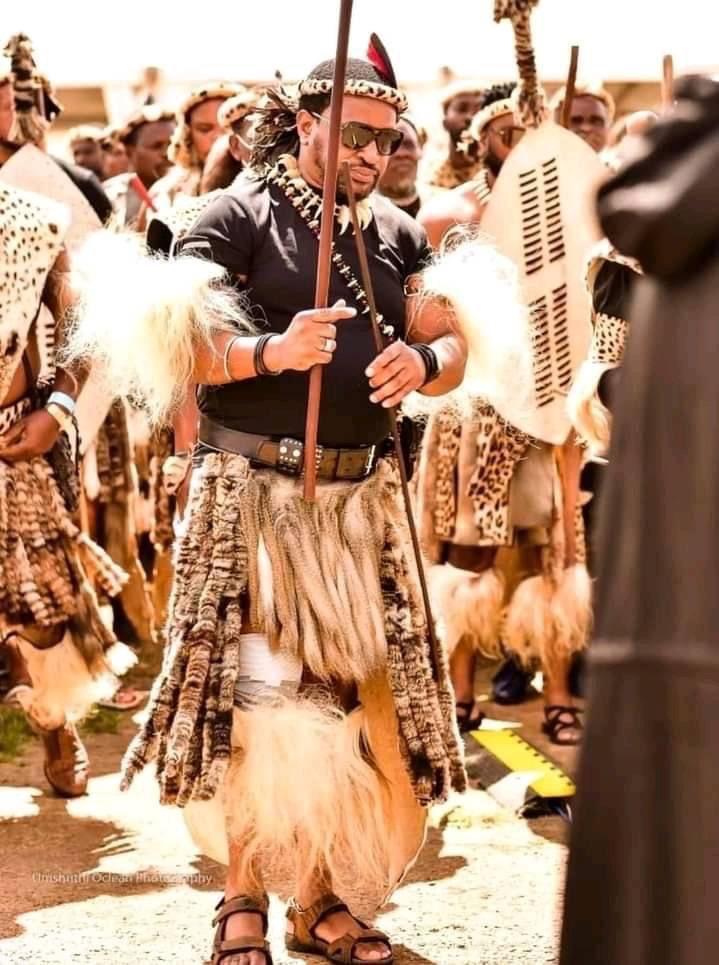
Zulu King Misuzulu kaZwelithini has sparked a national debate by proposing to remove "Natal" from KwaZulu-Natal, aiming to reclaim pre-colonial Zulu identity. This move, announced during an Isandlwana commemoration, faces significant backlash over concerns of historical erasure and division, alongside complex legal challenges.
Zulu King Misuzulu kaZwelithini has sparked national debate after announcing plans to remove the word “Natal” from the name of KwaZulu-Natal province.
The King argues that “Natal” represents a lingering symbol of colonial domination and that the province should instead be known simply as “KwaZulu,” a name he says more truthfully reflects its pre-colonial Zulu heritage.
The announcement was made during a commemoration of the Battle of Isandlwana, where Zulu warriors famously defeated British forces in 1879.
King Misuzulu framed the proposed name change as an act of historical restoration and cultural reclamation, describing it as a necessary step toward honoring indigenous sovereignty and reaffirming the legacy of the Zulu nation.
Critics Warn of Exclusion and Historical Oversimplification
The proposal has drawn strong criticism from historians, cultural analysts, and political commentators.
Detractors argue that removing “Natal” risks oversimplifying the province’s complex history and may marginalize non-Zulu communities who also call the region home.
They caution that the move could deepen social divisions rather than foster unity in one of South Africa’s most culturally diverse provinces.
Critics further note that the name KwaZulu-Natal, adopted in 1994, was deliberately chosen as a symbol of reconciliation—blending Zulu identity with the region’s colonial past to reflect a shared post-apartheid future.
From this perspective, altering the name could undermine the inclusive spirit that has defined the province for three decades.
Legal and Constitutional Barriers Ahead
Legal experts have also highlighted the significant procedural challenges involved in renaming a province.
Any such change would require extensive public consultation, approval from the KwaZulu-Natal Provincial Legislature, and ultimately a constitutional amendment passed at the national level.
This complex process could take several years to complete and would demand broad political and public consensus.
As debate intensifies, the controversy has evolved beyond a naming dispute into a broader national conversation about identity, historical memory, and inclusivity.
South Africans are now being asked to confront a fundamental question: how to meaningfully honor indigenous heritage while preserving unity within a diverse, multicultural society.