Zimbabwe Opens Africa's First Lithium Sulphate Processing Plant
Zimbabwe has opened Africa's first lithium sulphate plant, a step up from raw exports. But with a Chinese-owned facility and bigger battery ambitions ahead, how much value actually stays home?
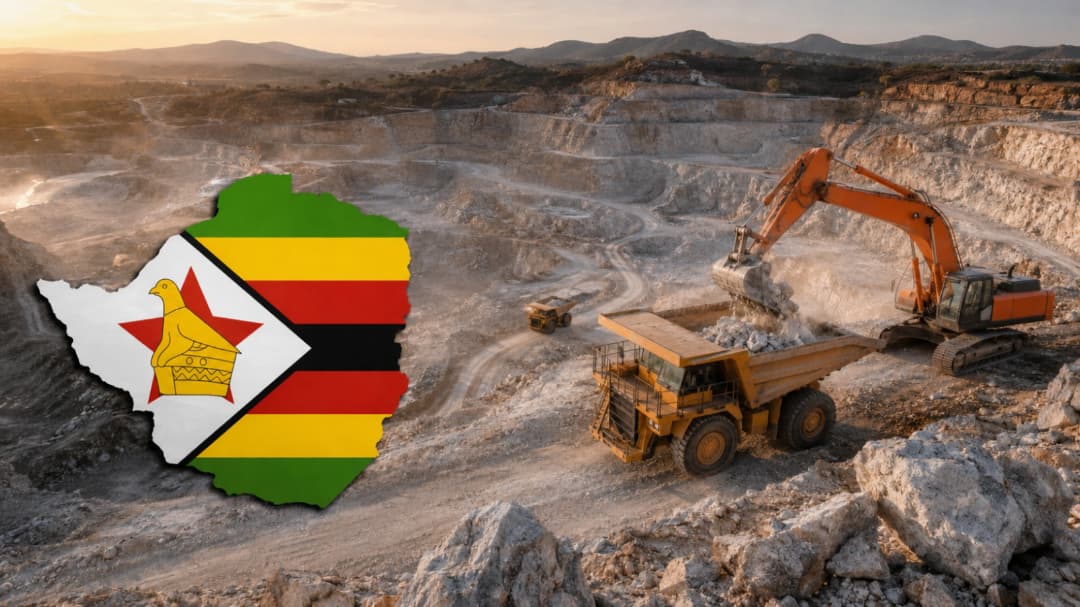
Zimbabwe is already Africa's largest producer of lithium-bearing spodumene concentrate. Now it's added what the government says is the continent's first lithium sulphate plant.
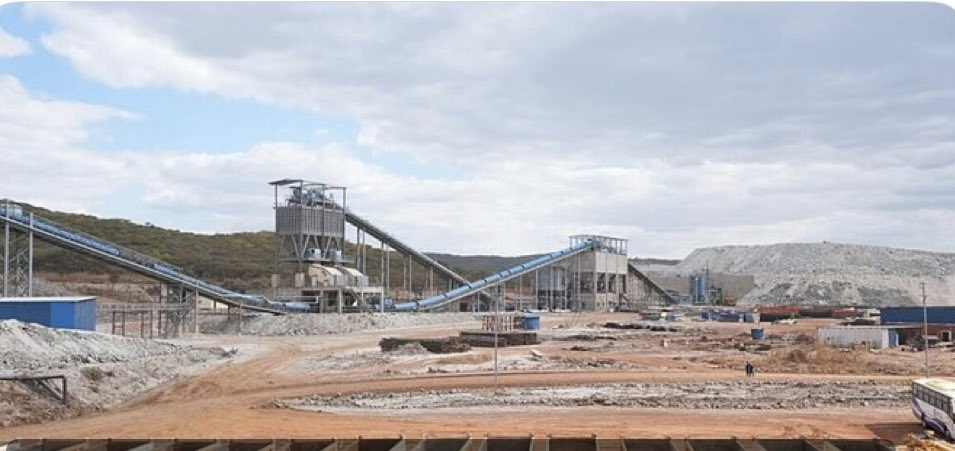
The $400 million facility sits in Goromonzi, about 30 kilometres east of Harare. It was built by Prospect Lithium Zimbabwe (PLZ), a subsidiary of China's Zhejiang Huayou Cobalt.
The plant made its first export of lithium sulphate in April and was reported to be fully operational by May. Mines Minister Polite Kambamura visited in July and called it progress in Zimbabwe's push to process more of its minerals locally.
For years, most of Zimbabwe's lithium concentrate has gone straight to China for processing. In 2025, the countryexported 1.128 million tonnes of spodumene concentrate, 11% more than the year before. Export revenue barely moved though, staying around $514 million because prices were weaker. More lithium leaving the country didn't mean more money coming in.
The Goromonzi plant gives Zimbabwe a chance to sell some of that lithium in a more processed, more valuable form.
From concentrate to lithium sulphate
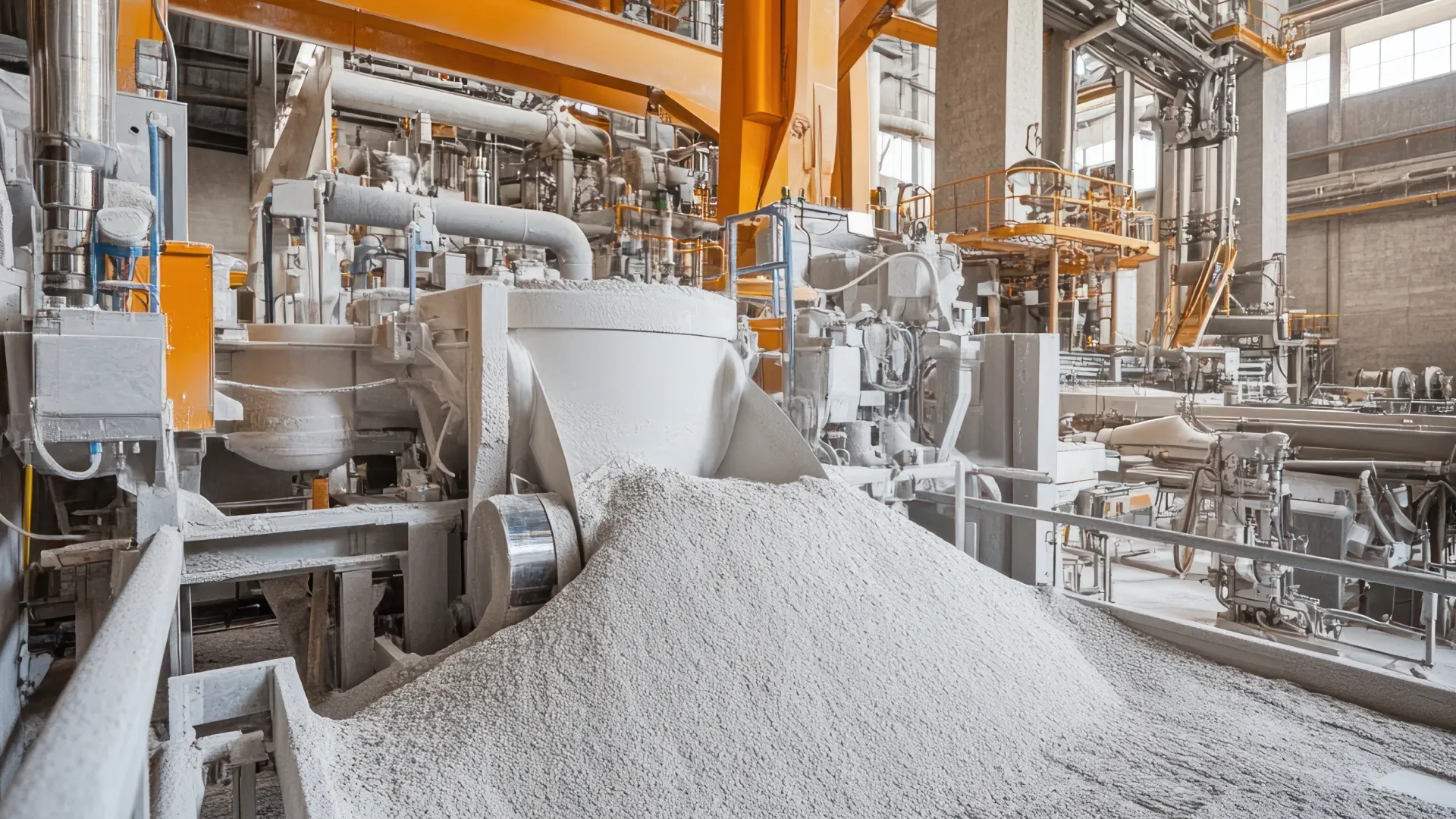
The plant processes spodumene and petalite into lithium sulphate, which can then be refined further into lithium carbonate or lithium hydroxide — the materials that actually go into rechargeable batteries.
It can produce about 50,000 tonnes a year. When Kambamura visited in July, it was running at around 60% of that. PLZ is also finishing a separate lithium carbonate facility, which will let the company refine its own lithium sulphate further before export instead of shipping it out at this intermediate stage.
Zimbabwe isn't producing electric-vehicle batteries yet. Lithium sulphate is just one stop along that road, not the destination.
What's actually changed is the form some of the country's lithium can now leave in. Instead of exporting only raw concentrate, PLZ can export something that's already been through a processing stage inside Zimbabwe.
Why Zimbabwe wants more processing done at home
Zimbabwe banned exports of unprocessed lithium ore back in 2022. Then, in February 2026, it went further and suspended exports of raw minerals and lithium concentrates too, while it reviewed export procedures.
Lithium prices in China rose sharply right after that announcement — a sign of just how much of China's spodumene supply runs through Zimbabwe, and how much of Zimbabwe's mining sector is in Chinese hands to begin with. Chinese firms have put around $2 billion into the sector since 2021.
The new plant shifts part of that picture, though for now it only serves PLZ. It was built to process material from the company's own Arcadia mine andcan't take concentrate from other producers. If Zimbabwe pushes ahead with tighter restrictions on concentrate exports, other miners will need their own processing plants or access to new ones to keep exporting at all.
What does Zimbabwe actually get out of this?
Building the plant locally creates more activity at home than shipping concentrate abroad ever did, it needs workers, technical services, transport, and everything around that. But it's still a Chinese-owned facility, and that alone doesn't tell us how much of the extra value it generates will actually stay in the country.
That depends on how many Zimbabweans end up in skilled roles, how much of the supply chain runs through local businesses, what gets paid in tax, and whether workers walk away with skills they can use elsewhere in the industry.
Kambamura has said the long-term goal is for Zimbabwe to manufacture batteries and solar panels itself. That's a much bigger leap than one processing plant.
It needs reliable power, specialised workers, technology, financing, and a steady supply chain and Zimbabwe won't be getting there first.
Morocco is already building Africa's first large-scale EV battery factory, backed by roughly $1.3 billion in investment, so by the time Zimbabwe is ready to compete for that stage of the industry, it may already be playing catch-up.

The lithium sulphate plant is a real step forward for Zimbabwe's mining industry. What it means for the wider economy will show up, or won't in jobs, tax revenue, local contracts, and how much further processing actually stays in the country from here.
Without those gains, Zimbabwe could still end up exporting most of the value from its lithium. Just in a different form.