Zambia's Electoral Body Faces Scrutiny Over Campaign Timetable Amidst Presidential Exemption Debate
The Electoral Commission of Zambia (ECZ) is implementing a national presidential campaign timetable to ensure order and fairness for the August general elections. Despite criticism, the ECZ asserts it enhances existing schedules and does not restrict political freedoms, though President Hakainde Hichilema will not be bound by it due to statutory provisions.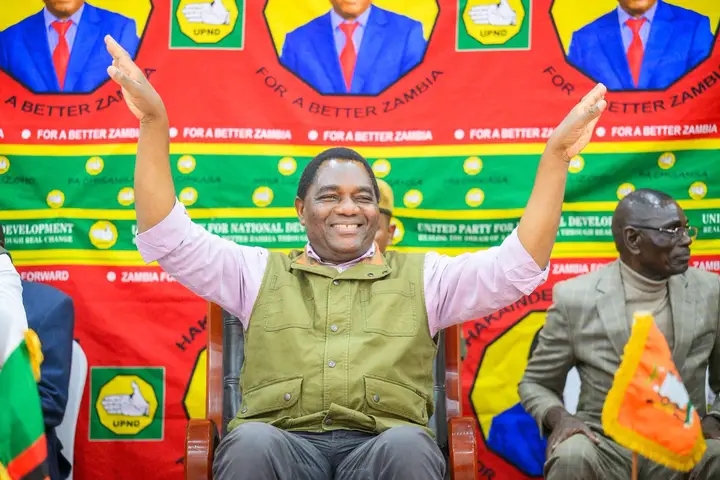
The Electoral Commission of Zambia (ECZ) has embarked on developing a national presidential campaign timetable to guide aspirants ahead of the August general elections. This initiative, defended by ECZ Chairperson Mrs. Mwangala Zaloumis, SC, aims to safeguard order, fairness, and credibility in the electoral process, rather than to restrict political competition. During a consultative meeting in Lusaka, all 14 presidential aspirants, or their representatives, agreed to the development of this timetable. The final schedule, outlining where each candidate is expected to campaign at any given time, was set to be released.
Mrs. Zaloumis addressed mounting criticism from sections of the opposition, notably the Tonse Pamodzi Alliance, which had accused the Commission of attempting to curtail campaign activities. She clarified that the ECZ's advisory was prompted by growing concerns over overlapping campaign activities in various provinces and districts, a situation that could lead to operational difficulties and unnecessary political tensions. “The Commission’s primary responsibility is to ensure that elections are conducted in a manner that is transparent, fair, peaceful and credible,” Zaloumis stated, emphasizing that this principle guided the advisory.
The ECZ Chairperson further stressed that the Commission has not abandoned earlier constituency campaign arrangements nor sought to limit constitutional freedoms. Instead, the objective is to create a framework that allows candidates to campaign freely and safely while reducing avoidable clashes, logistical complications, and tensions that may arise from multiple high-profile campaign events in the same locations. She highlighted that the proposed presidential campaign timetable would complement, rather than replace, existing schedules for parliamentary, mayoral, council chairperson, and local government elections, serving as an enhancement at the national level.
Amidst these developments, ECZ Chief Electoral Officer Brown Kasaro disclosed that President Hakainde Hichilema will not be bound by the forthcoming presidential campaign timetable, citing existing statutory provisions. Mrs. Zaloumis reiterated the Commission's unwavering commitment to impartiality and treating all candidates equally, assuring stakeholders that any framework emerging from their deliberations would be guided by principles of fairness, transparency, equity, and practicality.
As Zambia approaches the August 13 general election, the debate over campaign scheduling represents a significant test of trust between the electoral body and competing political camps. In a move towards transparency, Zaloumis also reminded political parties that ballot paper printing is scheduled to commence on June 30 in Dubai, United Arab Emirates, and invited all candidates and parties to designate representatives to witness the process.