Obi Demands President Tinubu's Resignation, Citing UK Precedent
Peter Obi, the 2027 NDC presidential candidate, has urged President Bola Ahmed Tinubu to resign, citing his failure to fulfill campaign promises and improve citizens' living standards. Obi drew parallels to a British Prime Minister's resignation and highlighted worsening economic conditions and insecurity in Nigeria. He emphasized that such a move would promote accountability and responsibility in governance.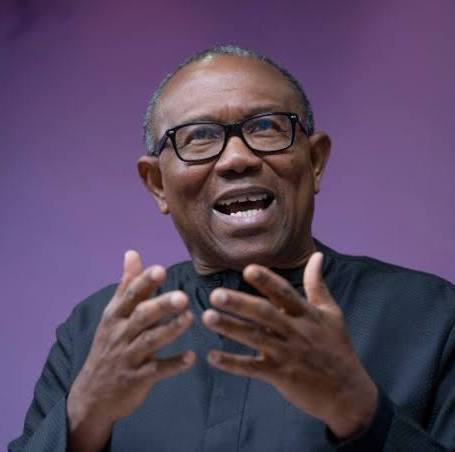
Peter Obi, the presidential candidate for the Nigerian Democratic Congress (NDC) in the upcoming 2027 election, has strongly urged President Bola Ahmed Tinubu to consider resigning from his esteemed office. Obi's call comes amidst widespread public discontent, citing the President's perceived failure to honor crucial campaign promises and a significant decline in the standard of living for Nigerian citizens.
According to a statement released by the Peter Obi Media Reach (POMR), signed by its spokesman Ibrahim Umar, Obi's advice to President Tinubu was spurred by the recent resignation of British Prime Minister Keir Starmer. Obi noted that Starmer's departure was reportedly linked to growing complaints from British citizens regarding the deteriorating quality of life under his leadership. The NDC presidential candidate highlighted this as an example for Tinubu to emulate, suggesting that such a move would help salvage Nigeria from its current, increasingly dire economic predicament.
In a detailed Twitter post, the 2023 Labour Party presidential flagbearer articulated his perspective: "This morning, I listened to the British Prime Minister’s speech announcing his planned resignation in July. As a keen observer of global politics, my primary interest lies in examining what successful nations do right and the structural factors that cause others to lag behind or struggle with governance and development." He further elaborated that the British Prime Minister's decision stemmed from "mounting public frustration over a stagnant economy, a worsening cost-of-living crisis, and a perceived failure to honour key campaign pledges."
Drawing a parallel to Nigeria's domestic situation, Obi recalled that President Tinubu himself, prior to 2015, had on multiple occasions advocated for the resignation of the then-President, Goodluck Jonathan. These calls were predominantly in response to the economic hardship and pervasive insecurity affecting Nigerians, most notably during the tragic Chibok schoolgirls’ kidnapping incident, where Tinubu demanded Jonathan's immediate resignation, asserting the government's failure in its fundamental duty to protect lives.
Obi further reminded the public of President Bola Ahmed Tinubu's own commitments during the 2023 election campaign. Tinubu had promised significant improvements, including a more reliable electricity supply, and had explicitly challenged the electorate not to vote for him for a second term if he failed to deliver on these core commitments, particularly regarding stable power, combating corruption, and enhancing the welfare of Nigerians.
However, Obi contended that the current conditions in Nigeria have only worsened. The electricity supply remains unreliable, insecurity has intensified across many regions, marked by a surge in kidnappings, and economic hardship has deepened rather than eased. He emphasized that "similar concerns are reflected across other critical sectors such as security, infrastructure, transportation, and anti-corruption efforts, all of which have regressed. We are in the worst possible condition."
Consequently, Peter Obi declared his solidarity with "Nigerians of goodwill in calling for the resignation of the President over his monumental failure in governance." He argued that such a gesture would be instrumental in "enthroning a political culture rooted in accountability and responsibility, rather than further entrench impunity." Obi concluded his statement by asserting that a resignation would "send a powerful message that public office is a sacred trust, not an entitlement, and help build a society in which future leaders understand that failure carries consequences. Only by ending the culture of impunity can we secure a better future for the society our children will inherit in a New Nigeria that is possible."