Zambia Army Under Fire: Demands for Accountability Over 2026 Election Violence
The August 13, 2026, general elections in Zambia witnessed a troubling departure from the Zambia Army's constitutional duties, with elite units allegedly engaging in intimidation and overreach. This included interference at polling stations and the tragic death of former Minister Mutotwe Kafwaya, compromising Zambia's democratic integrity. Calls for a transparent, independent judicial inquiry into the conduct of top military officials are now paramount.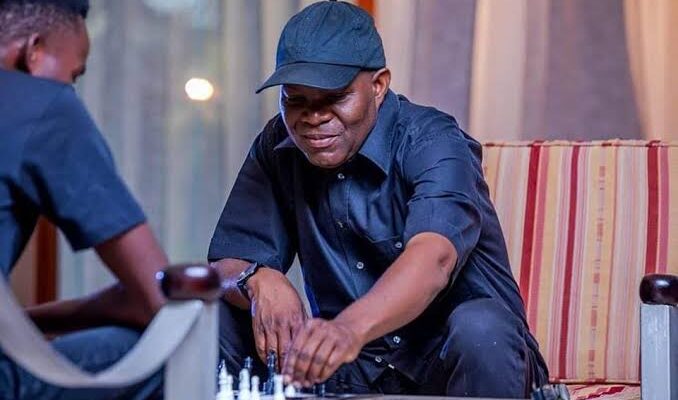
The Zambia Army's primary constitutional duty is to defend the Republic, protect its sovereign borders, and uphold the Constitution of the Republic of Zambia.
This foundational role demands that the Army respects and upholds the legal frameworks of the nation and international law.
The Zambian Constitution stands as the supreme law, requiring all written laws, customary practices, and state actions to align with its provisions.
Article 2 of this Constitution explicitly grants every person, including citizens and state entities, a fundamental right and solemn duty to defend the Constitution against any attempt to overthrow or illegally abrogate it.
However, the events surrounding the August 13, 2026, general elections indicate a deeply troubling departure from this mandate.
Under the command of Lieutenant General GeoffreyChoongo Zyeele, elite units of the Army, intended to be neutral guardians of peace, reportedly acted as active instruments of intimidation, casting a significant shadow over Zambia’s democratic process.
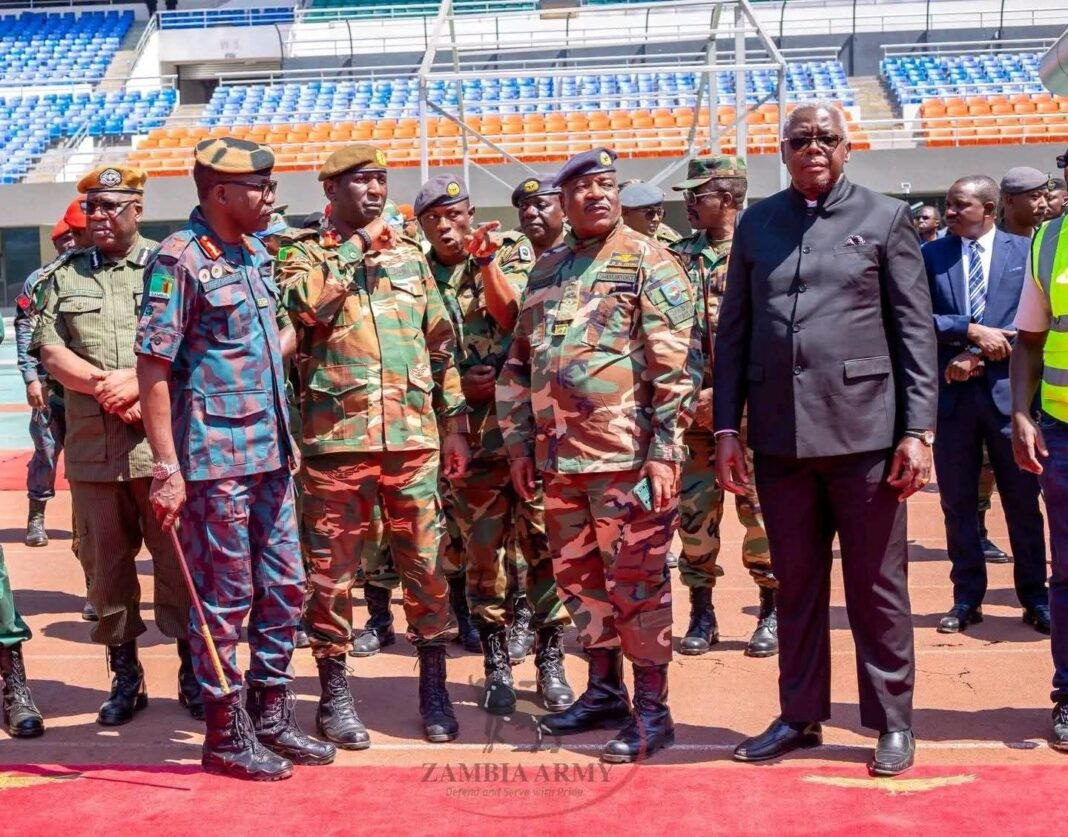
This conduct severely compromised Zambia's long-standing reputation as a beacon of peaceful transitions and democratic resilience in Africa.
Specific instances of this alleged overreach included commandos entering civilian polling spaces, threatening electoral staff, and interfering with opposition representatives at crucial locations like the Mulungushi International Conference Centre.
Such actions are an unacceptable transgression in a democratic society.
A functional democracy relies on voters and election officials perceiving their Army as a source of security, not fear, a trust that was evidently fractured during this election cycle.
Most tragically, the deployment of elite commandos into civilian neighborhoods in Kabulonga resulted in the death of Former Minister Mutotwe Kafwaya.
This incident marks a dangerous threshold, transforming the military's presence from order maintenance, as framed by government publicists, into what felt like a coordinated suppression of dissent.
When a nation's military behaves akin to a political militia, the fundamental trust between the state and its citizens is irrevocably damaged.
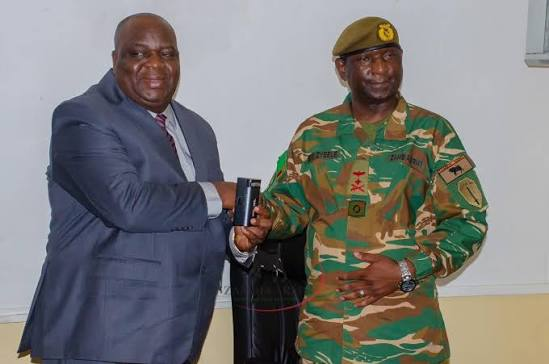
Accountability is paramount. TheLieutenant General Geoffrey Choongo Zyeele, Brigadier General Moses Shapwaya, and Major Lyempe Kapumpa must recognize that their uniforms do not grant immunity from responsibility.
Their overzealous conduct, characterized by heavy-handedness, reports of physical abuse, and lethal escalation, demands more than defensive press releases.
A transparent, fully independent judicial inquiry is essential to investigate these actions.
For Zambia to preserve its democratic integrity and its respected standing in United Nations peacekeeping and military observer missions, these incidents cannot be overlooked.
It is imperative to re-establish the foundational truth that in a free Republic, the military serves the people and the Constitution, not the political ambitions of those in power.
Amidst these challenging times, the family of the late Honourable Mutotwe Kafwaya demonstrated remarkable strength, dignity, and commitment to peace, conducting his final farewell in a civilized and orderly manner—a testament to their values and respect for his memory.

The year 2026 will undoubtedly be remembered by Zambians not with pleasure, but as an 'annus horribilis' or a horrible year.
This period underscores the critical role of criticism for people and institutions in public life, as it serves as an effective engine for change and ensures accountability. No institution should be exempt from the scrutiny of those it serves.
In these difficult and uncertain times, it is vital not to lose hope. Hope is an essential political and moral force, intrinsically tied to resistance, a just cause, and collective survival against overwhelming odds.
Perseverance, rooted in the fight for social justice and sovereignty, is a duty, not merely wishful thinking. Hope represents a stubborn refusal to submit to injustice, unfairness, inhumanity, humiliation, repression, and the loss of dignity.
It is not an abstract dream, but a daily practice of solidarity and education that remains critical for moving forward.