Your Brain Is Hiding a Secret Memory System (It's Pretty Mind-Blowing)
30% of adult brain synapses are "silent" dormant connections that activate to store new memories without erasing old ones. This is what it actually means for how you learn, age, and remember.
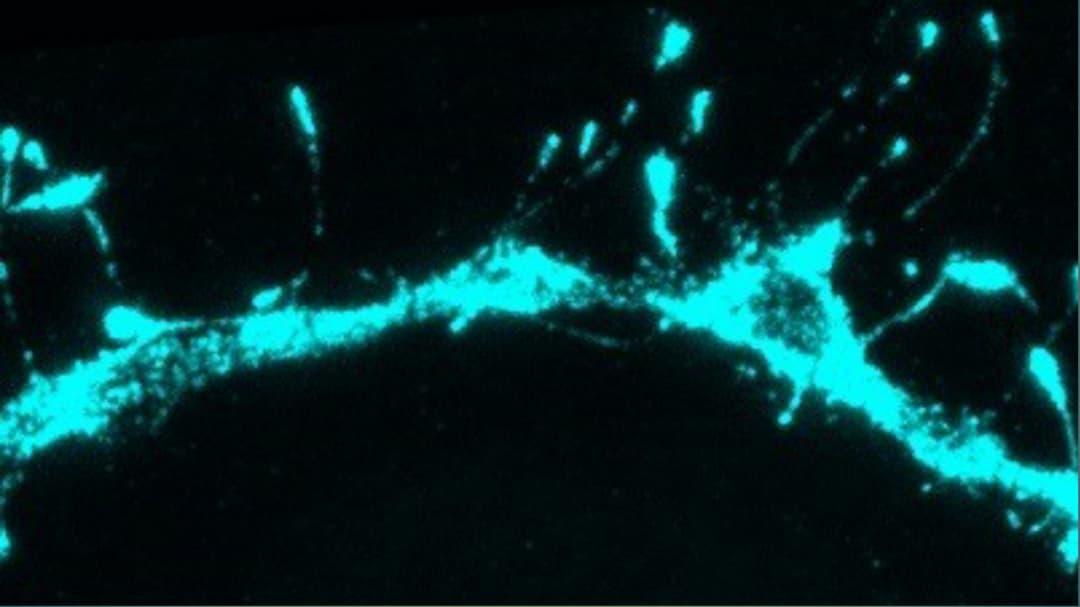
Turns out, you have millions of hidden memory slots just sitting there, waiting to be used
Okay, so you know that feeling when you're trying to learn something new and you're terrified you'll forget everything you already know? Like cramming for an exam and feeling like new information is just bulldozing the old stuff out of your head?
Well, your brain apparently saw that problem coming and quietly engineered a workaround.
The adult brain: it is packed with millions of silent synapses – dormant memory slots that stay completely inactive until the brain needs to encode something new.
And we're not talking about a small reserve.
Roughly 30% of all the synapses in the brain's cortex are sitting on standby at any given time, ready to fire.
That's one in every three of your brain's connections doing absolutely nothing, until they're needed.
The implications are bigger than they might first appear.
So What Even Is a Silent Synapse?
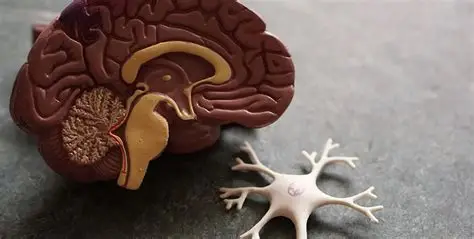
Your brain is made up of billions of nerve cells that communicate through tiny junctions called synapses.
Every memory you hold, every skill you've built, every moment that's stuck with you, all of it lives in those connections.
When you learn something new,your brain physically reshapes some of those synaptic links – a process called neuroplasticity. That's memory, literally being written in real time.
But the longstanding problem is, if your brain has to rewrite existing connections every time it learns something, there's a serious risk of erasing what's already stored.
Scientists have wrestled with this tension for years – how does the brain keep forming new memories without corrupting the old ones?
Silent synapses are apparently the answer.
They're structurally present but switched off, missing the specific receptors needed to carry a signal. So they sit idle, taking up no active space, not interfering with anything.
When the brain needs to form a new memory, it activates one of these dormant connections rather than disturbing an established one.
Think of it as a built-in expansion slot — already wired into your hardware, just waiting to be used.

Why This Changes What We Thought We Knew

For decades, the scientific consensus was that silent synapses were a childhood phenomenon– part of the brain's rapid early development, and largely irrelevant in adults. The assumption was that by the time you hit adulthood, that system had wound down.
That assumption is now off the table.
Using an advanced imaging technique called eMAP – which physically expands brain tissue to allow for extraordinary microscopic detail, the MIT team found tiny structures calledfilopodiaattached to silent synapses distributed widely across the adult brain.
Crucially, they were far more abundant than prior research had ever suggested.
This tells us the adult brain isn't the rigid, largely fixed system it was once believed to be.
It is actively maintaining a flexible, adaptive reserve,a parallel architecture that allows new learning to happen without constantly overwriting existing memory.
It also reframes something most people have felt but couldn't quite explain:the gradual difficulty of learning new things as you age. As silent synapses decline over time, the brain loses some of that inbuilt flexibility — fewer available slots, and more pressure on connections that are already doing a job.
"Use it or lose it" turns out to have a very literal neurological basis.
Why This Actually Matters Beyond the Lab
Past the headline, the real weight of this discovery sits in what it could mean for medicine.
If researchers can map how silent synapses function and more importantly, how to maintain or restore them, it opens a credible new direction for treating memory disorders like Alzheimer's and age-related cognitive decline.
Rather than only slowing the deterioration of existing connections, future therapies could potentially target the preservation of this dormant reserve, protecting the brain's capacity to keep learning before the losses even begin.
For now, what this discovery makes undeniably clear is that the adult brain is more dynamic, more adaptive, and more quietly resourceful than science has given it credit for.
Somewhere in your cortex, there are millions of dormant synapses that have been waiting, patiently, for the right moment.
Turns out your brain planned further ahead than any of us knew.
RELATED: Your Brain Deletes Memories on Purpose. Here’s Why Forgetting Is Necessary