You don't see them on screen: Five creative professionals behind the scenes in popular Nollywood productions
Who makes Nollywood's sword fights look real, creates the wounds and explosions, builds the worlds on screen and gives films their sound? Meet five creative professionals whose work happens behind the scenes.

When we talk about a Nollywood movie we enjoyed, we usually remember the actors, their performances and the storyline.
What about the people whose work helped create those scenes?
Their contributions may be all over the finished film, even though we rarely recognise their names or faces.
These are not all the creative professionals working behind the scenes in Nollywood.
We have profiled five whose work can be found in some popular productions audiences have watched in recent years.
1. Adamson Ibrahim – Stunt coordinator and performer
Think about the sword fights in movies. The actors charge at each other, swords clash and bodies fall. The action looks convincing enough to make you forget that the performers are following carefully planned movements.
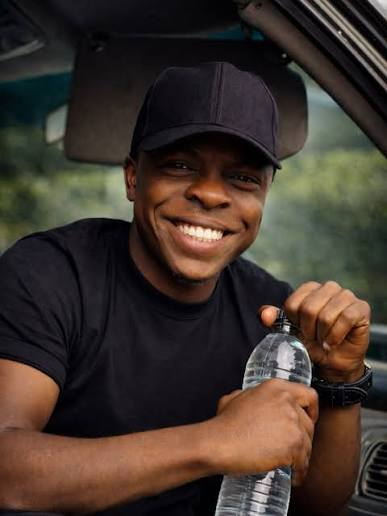
One of the people working to make such action possible is Adamson Ibrahim, popularly known as Adamseffects, a Nigerian stunt coordinator and performer.
Stunt coordination involves planning action sequences, choreographing fights and preparing performers to execute them. He trains actors for combat scenes and teaches them how to handle weapons, including swords and guns.
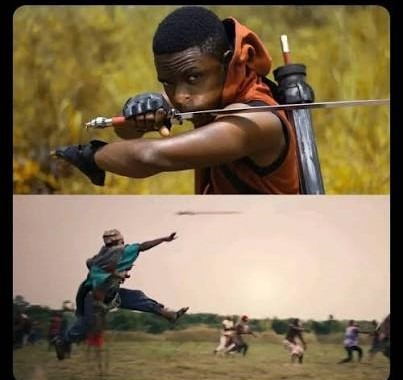
He has experienced the physical risks of the job himself. During the production of Jagun Jagun, Ibrahim performed a horse scene that took several rehearsals to get right.
He told Pulse that the horse stepped on his chest during the first attempt, leaving him in hospital for more than two weeks. He fell from the horse during another attempt before eventually completing the scene.
His work also includes productions such as 23 Oniru Street, House of Secrets, Mikolo, Kesari and Anikulapo: Rise of the Spectre.
He runs Adams Stunts Academy, where he is involved in training stunt performers.
2. Hakeem Onilogbo – Special-effects artist

A convincing artificial wound, a frightening physical transformation or an explosion that looks as though it happened right there on set can make a film's action more believable. Creating such effects is the work of special-effects artists.

Hakeem Onilogbo, popularly known as Hakeem Effects, is one of the Nigerian professionals working in this field. He specialises in special effects, including special-effects makeup.
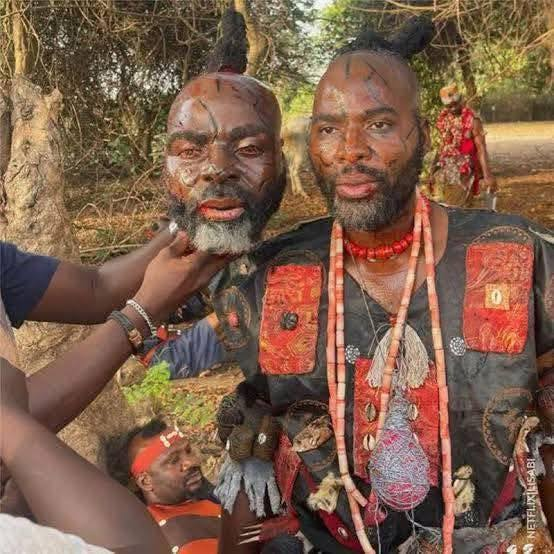
His entry into the industry was not through special effects. In an interview with Punch, Onilogbo explained that he initially wanted to become an actor. He later moved into makeup before choosing to specialise in special effects because he wanted to develop a different skill in the industry.
It takes experimentation to get the materials and techniques right. In a 2026 interview with Punch, Onilogbo described the years of trial and error, burns and late nights spent testing formulas that went into his work.
His work has earned recognition at the Africa Magic Viewers' Choice Awards. At the 2025 edition,he won Best Make-Up for Lisabi: The Uprising. He was also credited in the category for Seven Doors and Anikulapo: Rise of the Spectre.
3. Tunji Afolayan – Art director

The village in Jagun Jagun looks as though it belongs to another century. Its buildings and surroundings help establish the period in which the story takes place. But the filmmakers could not simply find an existing village from that era and use it as their location.
Art director Tunji Afolayan and his team had to recreate a 19th-century village from scratch.
In an interview with Tribune, Afolayan explained that the production had no access to authentic locations from that period, so the team relied on research, imagination and traditional craftsmanship to build the setting.
His work also includes King of Boys: The Return of the King and Netflix's Seven Doors, for which his team created sets including the Ipebi and Aganju Shrine environments.
Afolayan has described art direction as a form of visual storytelling. His work on Jagun Jagunearned him a nomination for Best Art Direction at the 2024 AMVCA.
He was also nominated in the same category for Seven Doors in 2025.
4. Tolu Obanro – Sound designer and film-score composer
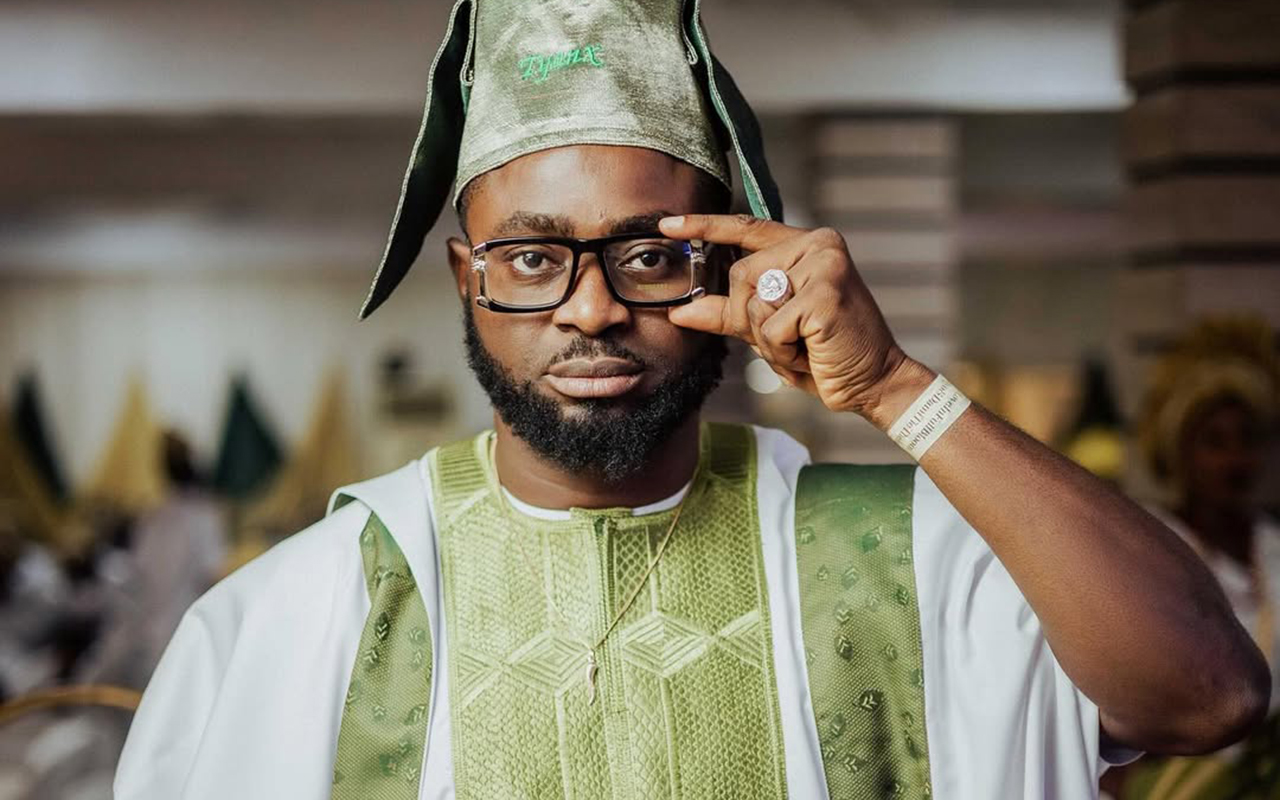
Tolu Obanro, professionally known as Tyanx, worked on the film's original sound and music.
In an interview with Culture Custodian, he explained that he discussed the character with director Niyi Akinmolayan and they agreed on sounds that would give the impression of Agemo flying through the sky. He also created the sounds of rustling and creaking trees that accompany Gbotija's attempts to control them.
Obanro is a sound designer and film-score composer whose credits include Gangs of Lagos, Battle on Buka Street, A Tribe Called Judah, Seven Doors and Lisabi: The Uprising.
His journey into film began with gospel music production. He produced songs for gospel artistes, including Mike Abdul, before moving into sound design for advertisements and eventually Nollywood films.
For Seven Doors, Obanrowon the 2025 AMVCA for Best Music Score. He was also part of thenominated sound team for the series.
5. Adeoluwa Owu – Cinematographer
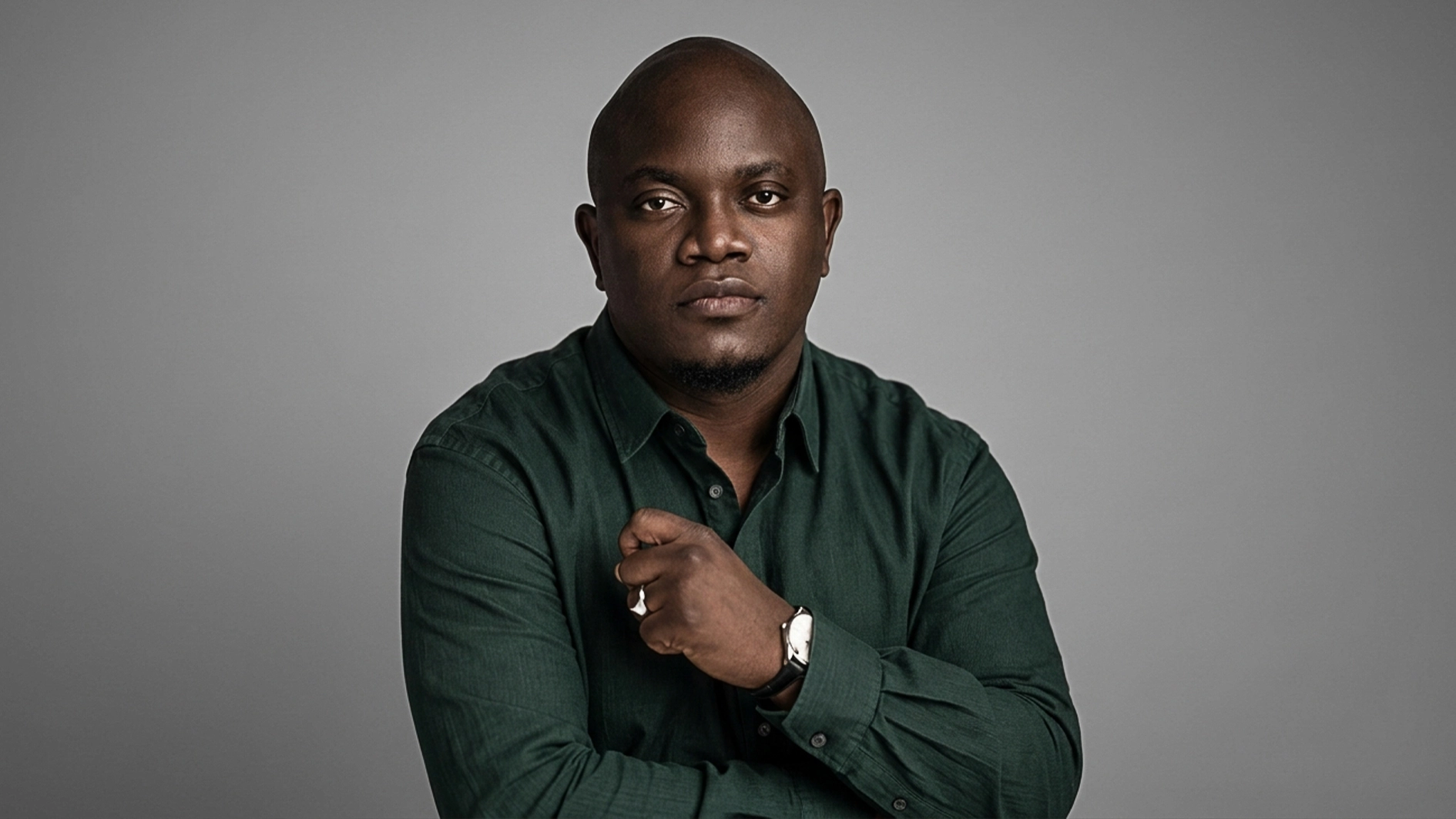
A scene can look entirely different depending on where the camera is placed, how close it gets to an actor or how it moves through a location. These decisions help determine what viewers notice and how they experience the story.
Adeoluwa Owu, popularly known as Captain Degzy, is the cinematographer behind the images in Jagun Jagun. His other cinematography credits include Before Valentine's, The Griot, My Village People and This Lady Called Life.
He also worked as co-cinematographer on Netflix's Far From Home.
The cinematographer works with the director to translate the film's visual approach into images. This involves decisions about framing, camera angles, movement, lighting and composition. It is a technical role, but it also requires an understanding of how the camera can communicate what is happening in a story.
The next time a Nollywood film holds your attention, remember that the actors are only some of the names behind what you see. The finished picture carries the work of many more people. Some of their names deserve to be recognised, too.