Yoruba Music Is Evolving: Solana and Faith Martins Are Part of Its New Wave
Solana and Faith Martins are driving a new wave of Yoruba music, blending traditional language and storytelling with modern sounds while following the path once explored by Asa.

Yoruba language has always had this musicality to it. In the way it is said, in the way a talking drum can perfectly pass across sentences that people understand, and in the way it has been one of the dominant languages of musicians in the Afrobeats scene.
However, especially in the modern day music space, it has never been just pure Yoruba with beats and rhythm that resembles old folktales or old rhythms with a modern twist that makes you want to move your body while enjoying the depth of the lyrics.
That gap is closing right now, and two names sit at the center of it: Solana and Faith Martins.
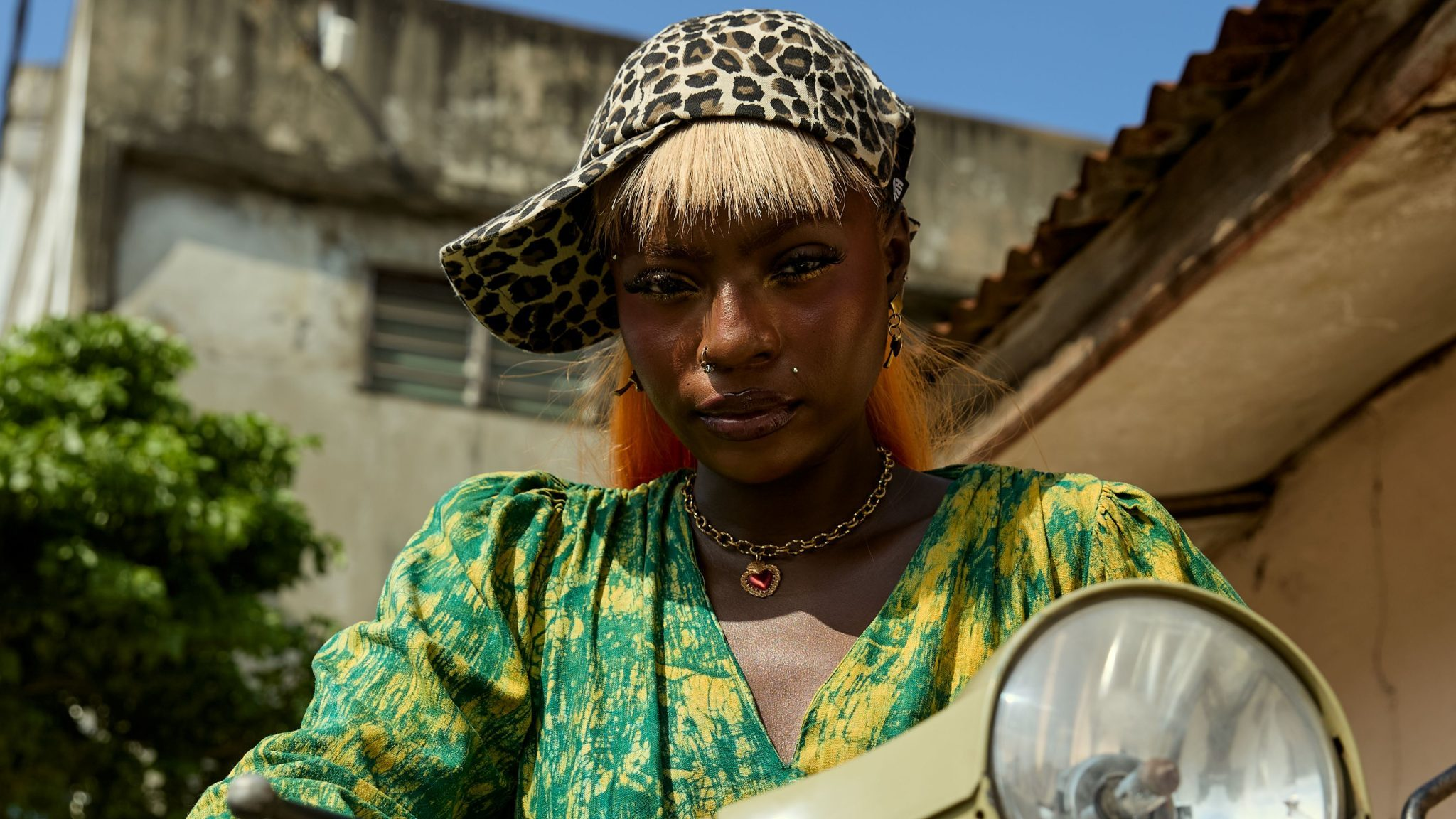
The Rise of Yorupop: Solana's Modern Yoruba Sound
Solana has spent the last few weeks becoming one of the most talked about names in Nigerian music and this is largely because of her single "Okunkun." She grew up surrounded by the records her mother played at home, including Sunny Ade and K1 De Ultimate, and that early exposure to Yoruba highlife and juju music shaped the instincts she now brings into the studio.

She has since named her own style, Yorupop which she called a fusion of Yoruba folk influence with sounds pulled from retro and electronic pop.
What sets Solana apart from most of her peers in the Afrobeats mainstream is her refusal to write in the pidgin-and-English blend that dominates major playlists.
Her music leans into Yoruba as a full language of expression. She has described her sound as experimental, while still staying rooted in her identity and where she comes from.
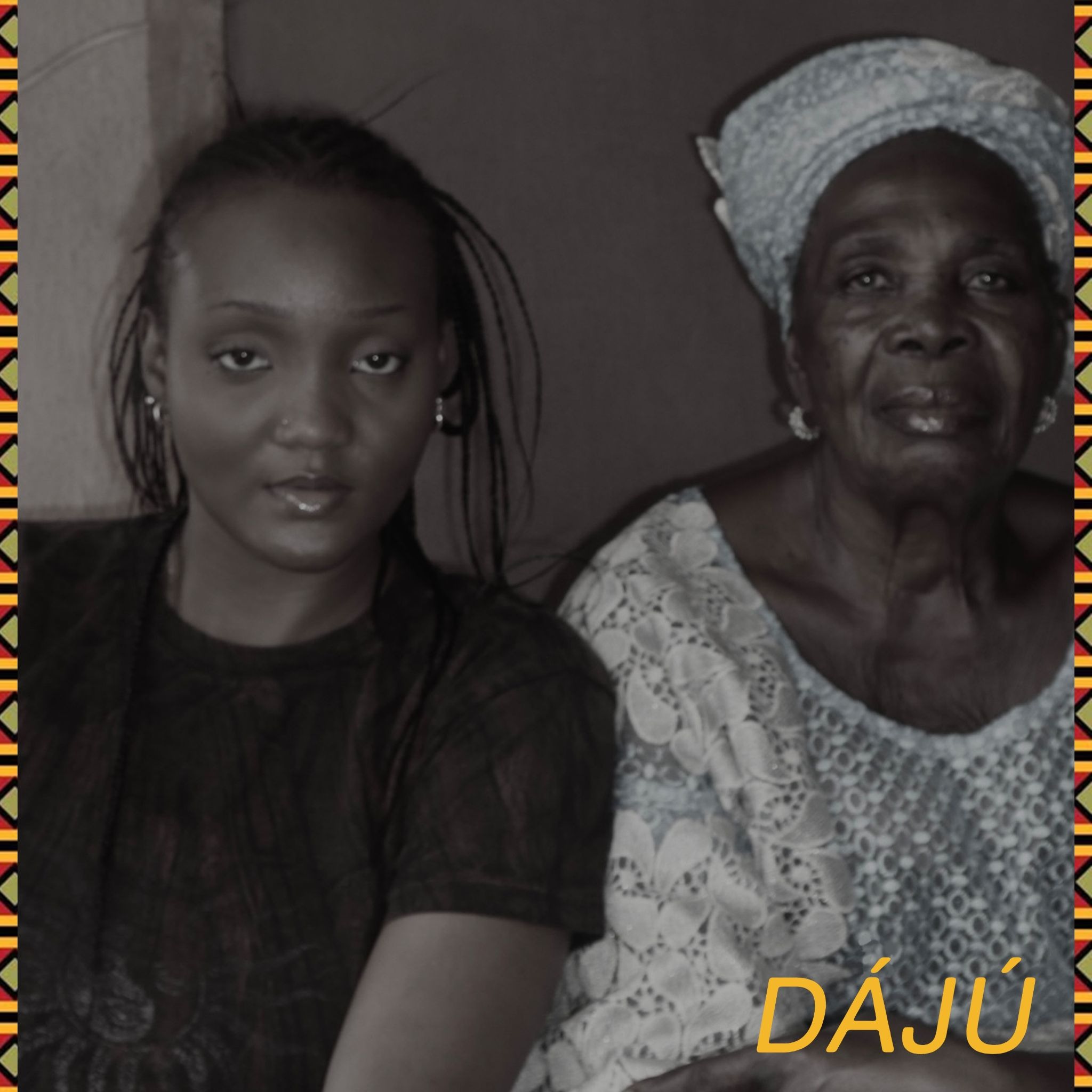
Faith Martins and the Soul of "Dájú"
Faith Martins arrives from a different corner of the same wave. Her newly released song "Dájú" is a soulful, Yoruba-rooted record inspired by something as simple as a warning from someone close to her: be careful, the world is already difficult enough, please stay safe.
That line becomes the emotional spine of the song, delivered in Yoruba phrasing that carries the weight of a mother's advice and the rhythm of a lullaby at the same time.
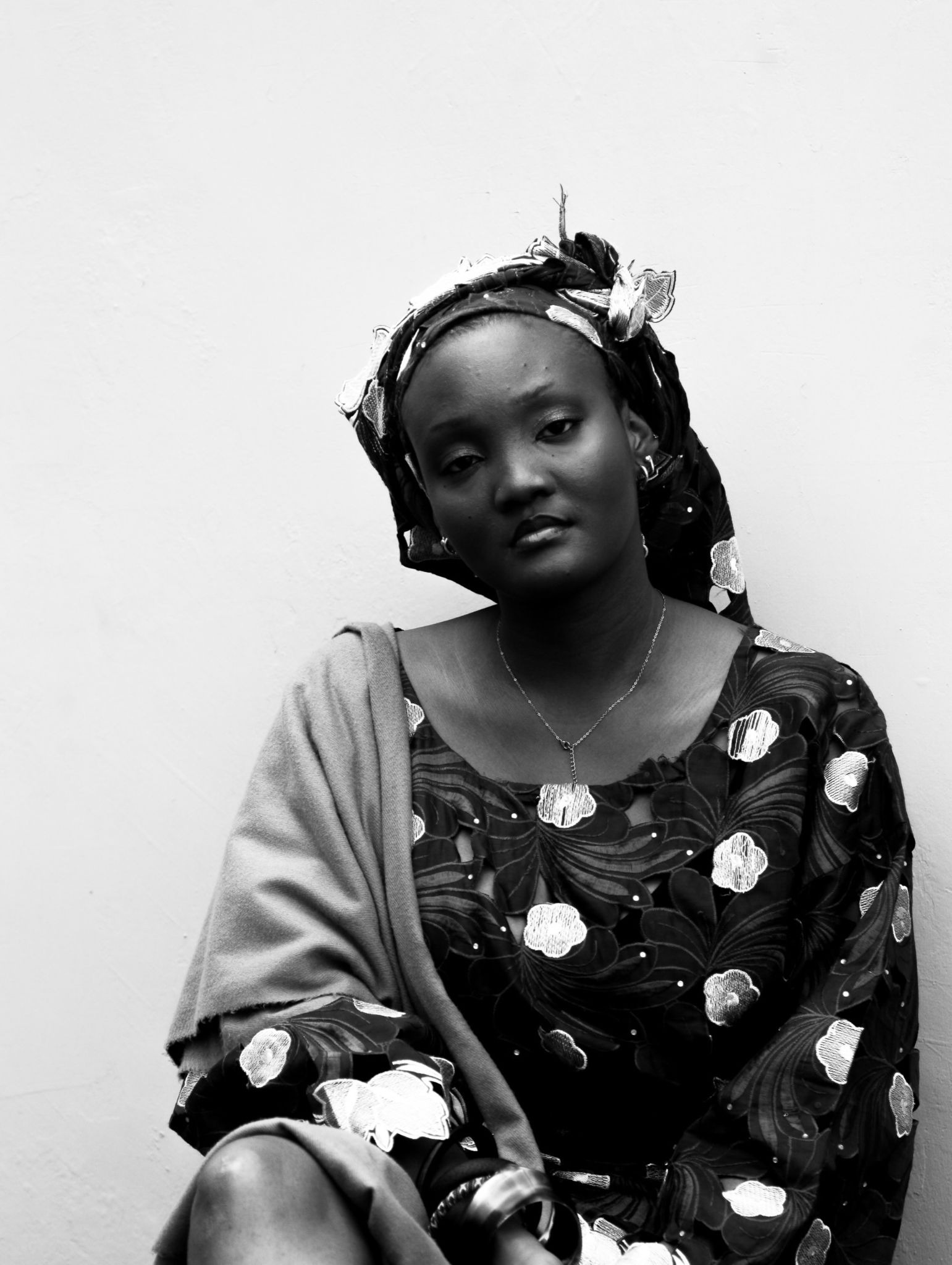
Faith Martins grew up in Lagos, singing in a church choir before finding her voice as a solo artist rooted in Afro-soul. Her university years, filled with the kind of ups and downs that shape a young adult's worldview, continue to feed her songwriting.
She has said she is not interested in making music for its own sake. Every record has to carry a feeling, a story, or a message worth holding on to, and "Dájú" is already spreading fast across Nigerian social media as proof the approach works.
A Sound Not Heard Since Asa's Early Discography
For anyone who has followed Nigerian music long enough, what Solana and Faith Martins are doing will feel familiar in spirit, even if it sounds completely new. The last time Yoruba language music carried this kind of folk texture layered under a contemporary arrangement was arguably during Asa's early run in the late 2000s and into the 2010s.
Asa built a career on Yoruba proverbs, storytelling, and acoustic warmth long before Afrobeats became a global export, and for years afterward, only few artists tried to walk that same path with the same seriousness.
Solana and Faith Martins are just updating that formula. Where Asa leaned on guitar-driven folk arrangements, Solana experiments with electronic and retro pop textures, and Faith Martins builds around soul and choir-trained vocal control.
They are, however, similar where they treat Yoruba language as the emotional center of the song.
Why Yoruba Music Is Having a New Wave

Afrobeats has spent the last decade becoming a global genre, and in the process, many mainstream Nigerian music has leaned toward broader and more exportable sounds that mix English, pidgin, and other local language loosely, which is quite understandable.
Solana and Faith Martins are pulling in the opposite direction, betting that a purely Yoruba record with a modern production can travel just as far, if not further, precisely because it does not dilute itself.
Both artists are young women buildingdistinct sonic identitiesin a space that has historically rewarded male-led Afrobeats stars. Their rise, alongside other emerging female acts pushing the boundaries of what Nigerian pop can sound like, points to a music scene that is becoming more willing to platform originality and more willing to let language itself be the innovation.
What This Means for the Future of Nigerian Music
If Yorupop and records like "Dájú" continue to gain traction, they could open space for a new lane within Nigerian music, one where Yoruba is not simplified for a wider audience but presented in its full musicality.
It is a lane that treats Yoruba as a genre-shaping force, the same way Fuji, highlife, and juju once did before Afrobeats reshaped the mainstream.
Solana and Faith Martins are proving that Yoruba music can evolve without losing the language that gives it its soul, and that the next big Nigerian sound might not need English at all to travel the world.