Xenophobia Crisis Escalates: Nigeria & Ghana Demand Action from South Africa Amidst Migrant Exodus
African nations, particularly Nigeria and Ghana, are urgently pressing South Africa to tackle its persistent xenophobic violence against foreign nationals. With Nigeria citing numerous deaths and evacuations, and Ghana demanding justice for its citizens, both countries are leveraging diplomatic channels and international bodies to ensure accountability and protection for migrants.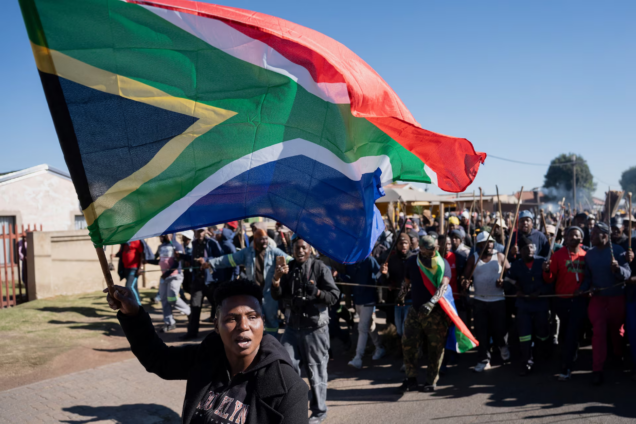
African nations, including Nigeria and Ghana, have intensified calls on South Africa to address the persistent issue of xenophobic attacks targeting foreign nationals. These repeated outbreaks of violence, often fueled by blame placed on immigrants for issues like crime and unemployment, are straining diplomatic ties and raising serious questions about the South African government's effectiveness and even complicity in preventing such incidents.
Nigeria's concerns were vocally expressed during recent talks in Abuja with a South African delegation led by Special Envoy and International Relations Minister Ronald Lamola. Nigeria's Minister of State for Foreign Affairs, Sola Enikanolaiye, stated that President Bola Tinubu had specifically ordered the meeting to address what Abuja describes as persistent "Afrophobic attacks" against Nigerians and other African migrants in South Africa. Nigerian officials reported that at least 1,490 Nigerians have been evacuated since the latest wave of xenophobic violence, and a staggering 98 Nigerians have been killed in these attacks since 2022. Enikanolaiye highlighted a disturbing pattern of anti-migrant violence dating back to 1995, noting that attacks often target not only suspected criminals but also legitimate residents. Furthermore, he presented documented cases where South African police appeared unwilling to intervene, prompting concerns about "issues of complicity if the state authorities are unwilling or not able" to protect foreign nationals. While Nigeria does not condone criminal activity by its citizens abroad, it firmly asserts that suspects should face due process and legal prosecution rather than mob violence.
In response to these grave concerns, South African International Relations Minister Ronald Lamola affirmed that President Cyril Ramaphosa's government is unequivocally opposed to xenophobia, racism, and discrimination. However, the recurring nature of the attacks continues to challenge these assurances.
Echoing the sentiment for justice, Ghana has also formally demanded a thorough investigation into the killings of two Ghanaian nationals in recent attacks in South Africa, urging the prosecution of those responsible. Professor Vladimir Antwi-Danso, an expert in International Relations, staunchly defended Ghana's move as a standard and legitimate diplomatic response. Speaking on Joy FM's Newsnight, Prof. Antwi-Danso emphasized that demanding a proper investigation and accountability for perpetrators is firmly grounded in international principles, stating, "When somebody loses his life in this manner, proper investigation must take place and the culprits brought to book. So what Ghana is demanding is not from the moon. It's a normal thing."
Prof. Antwi-Danso cited a historical precedent with 41 Ghanaians killed in The Gambia years ago, where initial denials by Gambian authorities led to Ghana escalating the matter to ECOWAS and the African Union. This regional pressure ultimately resulted in an investigation, acceptance of fault by the Gambian government, and compensation. This case, he noted, demonstrates the efficacy of diplomatic engagement and sustained regional pressure in achieving justice. While acknowledging South Africa's historical criticisms regarding its handling of xenophobic attacks, Prof. Antwi-Danso urged patience, explaining that "Diplomacy grinds slowly, very slowly. But that is the only option rather than demand something which cannot be met." He expressed confidence that Ghana's engagement with the African Union, alongside other diplomatic efforts, will increase pressure on South Africa to act, especially as such incidents "cast a slur on their foreign relations."
The calls from Nigeria and Ghana underscore a broader demand from the international African community for South Africa, as the continent's most industrialized economy and a magnet for migrants from various countries including Ghana, Mozambique, and Malawi, to uphold its responsibility in protecting all foreign nationals within its borders and ensuring justice for victims of xenophobic violence.