Why the Persian Gulf Holds More Oil and Gas Than Anywhere Else in the World
Read about the geographical and scientific basis on why the Persian Gulf holds more oil and gas than anywhere else in the world, and why tensions around the Strait of Hormuz continue to shape global energy markets.
The recent tensions in the Middle East, as a result of the standoff involving Israel, Iran, and the United States, alongside disruptions and negotiations surrounding the Strait of Hormuz, have once again highlighted how fragile the global energy system can be.
Over the course of the past weeks markets have reacted quickly to the uncertainty posed by the tension, with oil prices fluctuating and shipping routes coming under strict scrutiny.
Yet beyond the geopolitical headlines lies a deeper reality: the crisis mattered more not just because of politics, but because of geography.
The Strait of Hormuz sits at the gateway of the Persian Gulf, one of the most energy-dense regions on Earth.
A significant portion of global crude oil production originates from countries bordering the Gulf, with shipments flowing toward Asia, Europe, and other major consumption markets.
Asia alone accounts for the largest share of global oil demand, with economies such as China, India, Japan, and South Korea relying heavily on crude imports from Gulf producers to power industries, transportation, and electricity generation.
When tensions threaten this corridor, the ripple effects stretch far beyond the Middle East. Oil-dependent economies brace for supply disruptions, shipping costs rise, and global inflation pressures intensify.
These recurring crises serve as reminders that the Persian Gulf is not just politically important, it is geologically unique.
The region holds an extraordinary concentration of oil and gas resources, making it central to global energy security and economic stability.
Understanding why the Persian Gulf holds so much oil requires looking far deeper than geopolitics, into the geological history that formed the region over millions of years.
A Geological Perfect Storm for Oil Formation
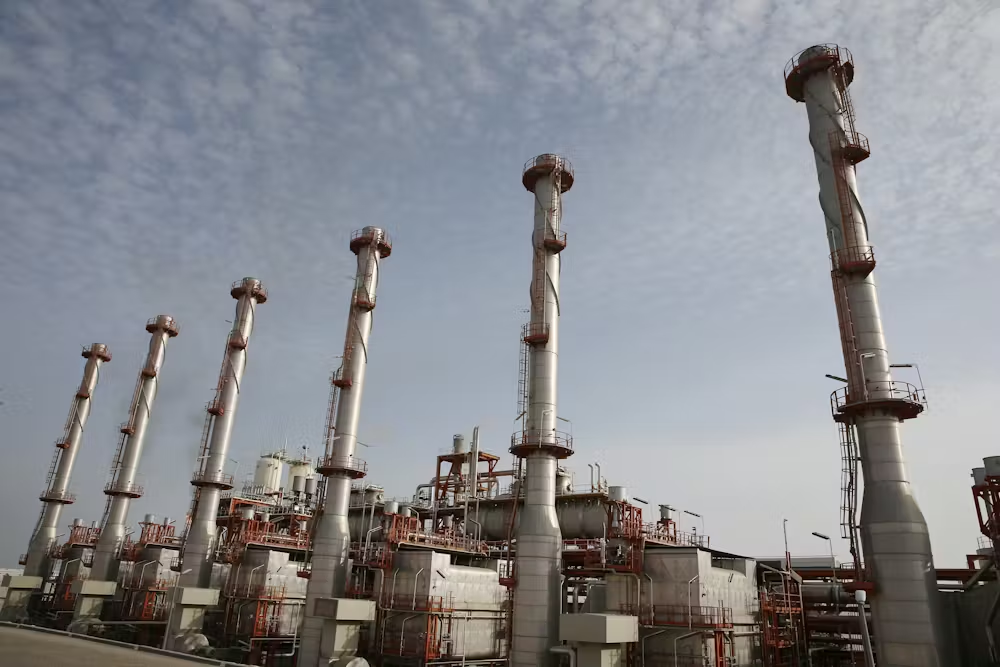
The Persian Gulf’s exceptional oil and gas reserves are the result of a rare combination of geological factors aligning over millions of years.
Now this is a full geography class on oil formation and what we don't see on the surface or what we don't hear about often.
The region lies where two major continental plates, the Arabian Plate and the Eurasian Plate, which have been reported to have been slowly colliding for roughly 35 million years.
This collision created ideal conditions for oil formation, bending rock layers, generating heat and pressure, and forming large underground traps where hydrocarbons accumulate.
On one side of the Gulf, the Zagros Mountains formed through intense folding and fracturing caused by tectonic movement.
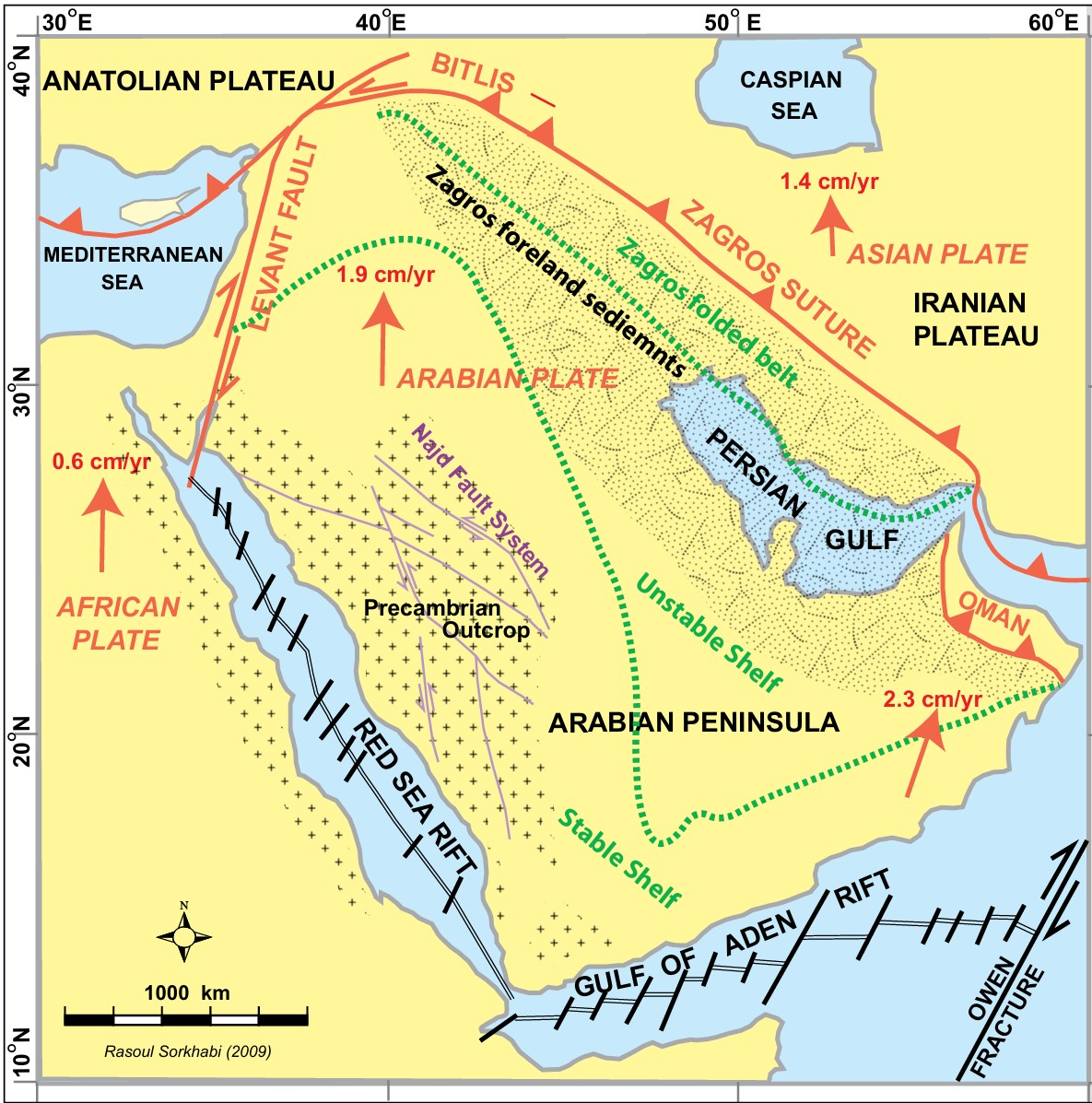
These folded rock formations created enormous structures capable of storing vast quantities of oil and gas.
On the opposite side, the Arabian Plate formed broad dome-shaped structures stretching across hundreds of square miles.
These domes over time became natural reservoirs, trapping hydrocarbons beneath impermeable rock layers.
Below the Persian Gulf itself lies a basin filled with sediment eroded from rising mountain ranges. Under high temperatures and pressure, these materials transformed into oil and gas.

The Persian Gulf region contains unusually thick and organic-rich rock layers, including formations formed during the Jurassic and Cretaceous periods, which are particularly effective at generating hydrocarbons.
These geological conditions which might sound a bit confusing are rarely found together in one location.
In the Persian Gulf, however, they exist simultaneously: abundant organic material, ideal temperatures and pressures, massive structural traps, and high-quality reservoir rocks. This combination makes the region uniquely suited for both generating and storing vast hydrocarbon reserves.
The result is a concentration of oil and gas that surpasses any other region in the world.
Supergiant Fields and Reserves on an Unmatched Scale
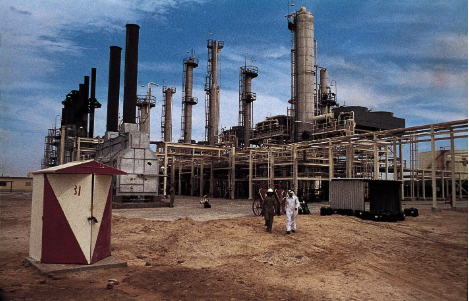
The Persian Gulf region contains more than 30 supergiant oil fields, each holding at least five billion barrels of oil.
These fields produce at rates significantly higher than many other major oil-producing regions, including the North Sea and parts of Russia.
Some of the world’s largest and most productive oil and gas accumulations are found here, formed within massive limestone reservoirs and fractured rock systems that allow oil to flow efficiently.
One example is the Ghawar oil field in Saudi Arabia, the largest conventional oil field ever discovered, capable of producing tens of billions of barrels of crude oil.
Another is the South Pars-North Dome gas field shared by Iran and Qatar, one of the largest natural gas fields in the world. These formations span enormous areas and contain energy resources unmatched elsewhere.
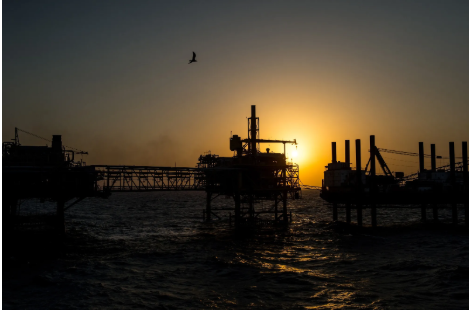
In addition to existing discoveries, significant reserves remain untapped. Geological assessments suggest that billions of barrels of oil and large volumes of natural gas still lie beneath the region.
Advances in drilling technology, including horizontal drilling and enhanced recovery techniques, may unlock even more production in the future.
Altogether, the Persian Gulf contains roughly half of the world’s conventional oil reserves and a substantial share of global natural gas resources, all concentrated within a relatively small geographic area. No other region combines this scale, accessibility, and production efficiency.
This is why every geopolitical development in the Persian Gulf, from tensions to negotiations, carries global consequences.
Below its waters and deserts lies one of the most strategically important energy landscapes on Earth, shaping economies, influencing diplomacy, and powering industries far beyond the Middle East.