Why Femi Otedola Became Africa’s Lowest-Ranked Billionaire
How did Femi Otedola end up at the bottom of Africa’s billionaire ranking? The latest list by Forbes reveals the surprising business decisions, billion-dollar moves, and market shifts that pushed the Nigerian tycoon behind names like Aliko Dangote and Abdulsamad Rabiu. The real story is more unexpected than the headline.
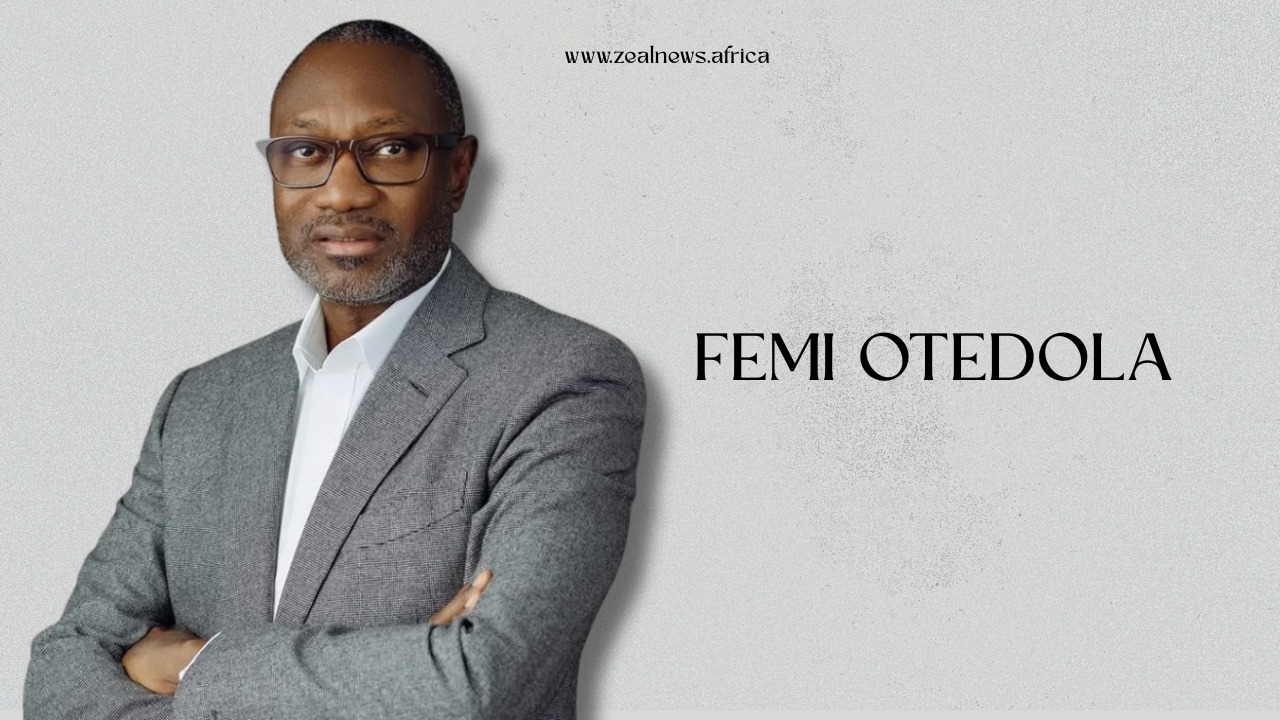
Being called Africa’s “poorest billionaire” sounds like a fall from power, until you realise the story behind Femi Otedola’s ranking has little to do with failure and everything to do with strategy.
In global wealth rankings, a label can sometimes tell only half the story. When the latest billionaire list from Forbes placed Nigerian investor Femi Otedola at the bottom of Africa’s billionaire table, the headline was easy to write: Africa’s poorest billionaire.
But numbers rarely capture strategy.
Otedola’s ranking is not the story of a business empire collapsing or a fortune evaporating. It is, instead, the outcome of a deliberate shift in investment strategy; one that reflects how modern African billionaires are repositioning their wealth in a volatile economy.
To understand why Otedola now occupies the lowest position among Africa’s billionaires, it is necessary to examine the structure of his wealth, the major transactions that reshaped it, and the broader economic context that influenced his decisions.
The Billionaire Ranking That Sparked the Conversation
Each year, Forbes compiles a global ranking of billionaires using publicly available financial data, including stock valuations, company ownership, and estimated private holdings. In the most recent list, Africa’s 23 billionaires collectively controlled approximately $126.7 billion, largely boostedby strong performances in African equity markets.
At the top of the ranking sits Nigerian industrialist Aliko Dangote, whose fortune rose to approximately $28.5 billion, largely due to the surge in shares of Dangote Cement.
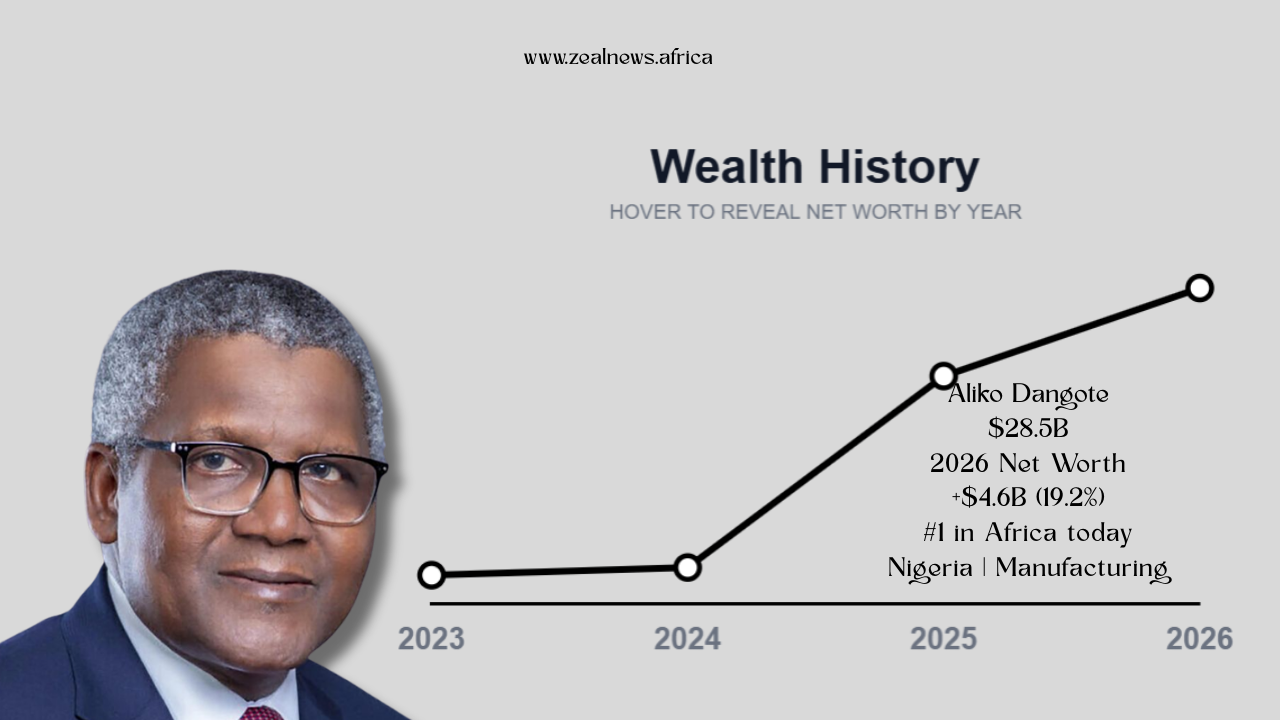
Other billionaires also experienced dramatic growth, including Abdulsamad Rabiu, whose wealth surged after a rally in BUA Cement shares.
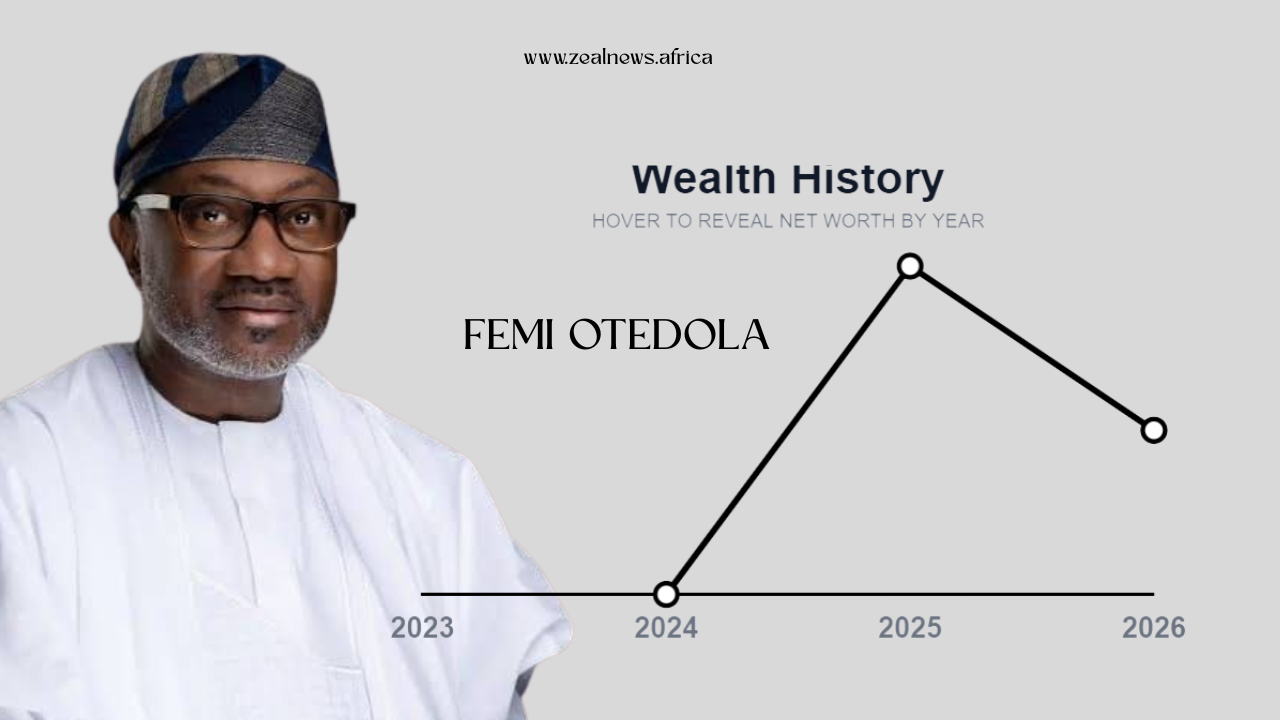
Against that backdrop of rising fortunes, Otedola’s estimated net worth fell to roughly $1.3 billion, placing him at the bottom of the list. In numerical terms, that figure is still immense. But within the rarefied circle of billionaires, it places him at the lowest rung.
Yet the decline did not occur because his companies collapsed or because markets erased his wealth overnight. Instead, it followed a strategic move involving one of his most valuable assets: Geregu Power.
The Geregu Power Sale That Reshaped His Wealth
The most immediate factor behind the decline in Otedola’s net worth was his decision to sell a significant portion of his stake in Geregu Power, one of Nigeria’s leading power generation companies.
Geregu Power occupies an important place in Nigeria’s energy landscape. The plant was originally part of the country’s electricity privatization programme and was acquired by Otedola in 2013.
Over the years, it evolved into a profitable and strategically positioned power company supplying electricity to the national grid.
In October 2022, Geregu Power made history by becoming the first power generation company listed on the Nigerian Exchange (NGX). The listing significantly increased the company’s visibility among investors and elevated its market valuation.
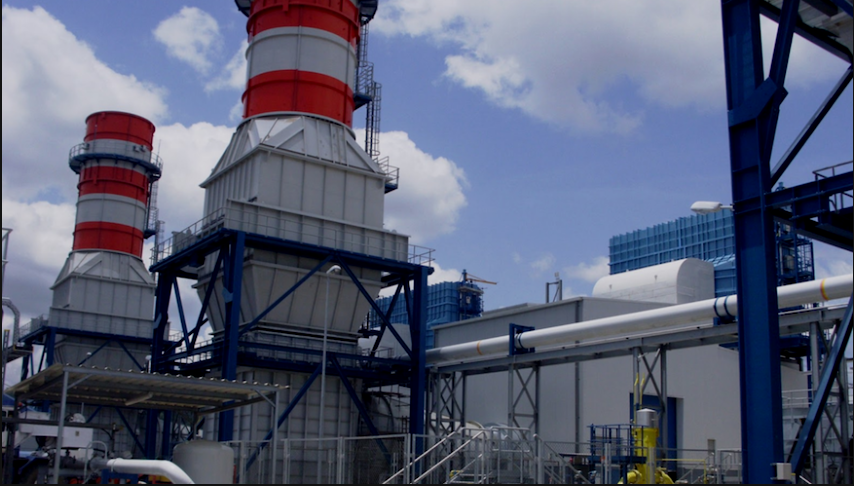
However, Otedola later chose to sell a majority stake in the company, reportedly at a discount to its prevailing market price. That decision had a direct impact on how wealth analysts calculate his net worth.
Billionaire rankings rely heavily on the value of publicly traded shares. When a founder sells large holdings, the paper value of their wealth can decline, even if they receive substantial cash in return.
In other words, Otedola did not necessarily lose wealth in absolute terms; rather, the structure of his wealth changed.
From Oil Magnate to Strategic Investor
To understand Otedola’s current position, it helps to look back at the industries that built his fortune.

He first rose to prominence through Zenon Petroleum and Gas, a company that became one of Nigeria’s largest diesel suppliers during the 2000s.
Zenon supplied fuel to major industrial and telecommunications firms, positioning Otedola as one of the country’s most influential energy traders.
Later, he expanded into the downstream petroleum sector through Forte Oil, which operated fuel stations and energy infrastructure across Nigeria. In 2019, Otedola sold his majority stake in Forte Oil to focus on power generation and other investments.
That move marked a turning point in his business career. Instead of operating large, asset-heavy businesses, he began shifting toward a more investment-driven approach, acquiring strategic stakes in companies with strong growth potential.
The sale of his Geregu Power stake appears to be part of that broader transformation.
The Influence of Nigeria’s Volatile Economy
Another important layer of the story lies in Nigeria’s economic environment.
Over the past decade, the country has experienced currency devaluations, inflationary pressures, and fluctuations in energy markets. For investors with large domestic holdings, these conditions create uncertainty.
Wealth measured in dollars can fall even when businesses remain profitable, especially when local currencies weaken.
The Nigerian naira has undergone significant devaluation in recent years, affecting the dollar value of assets listed on local exchanges.
For someone like Otedola, whose wealth is closely tied to Nigerian businesses, currency dynamics can influence global rankings dramatically.
The Structure of Wealth in Africa
The ranking also reveals deeper patterns in how wealth is distributed across the continent.
Africa currently has 23 billionaires, with most concentrated in just a few countries. South Africa leads the list, followed by Egypt, Nigeria, and Morocco. Their fortunes are typically tied to industries such as cement, banking, telecommunications, mining, and energy.
A significant number of these billionaires built their fortunes from scratch. According to Forbes, 14 of the 23 African billionaires are self-made, reflecting the role of entrepreneurship in the continent’s economic elite.
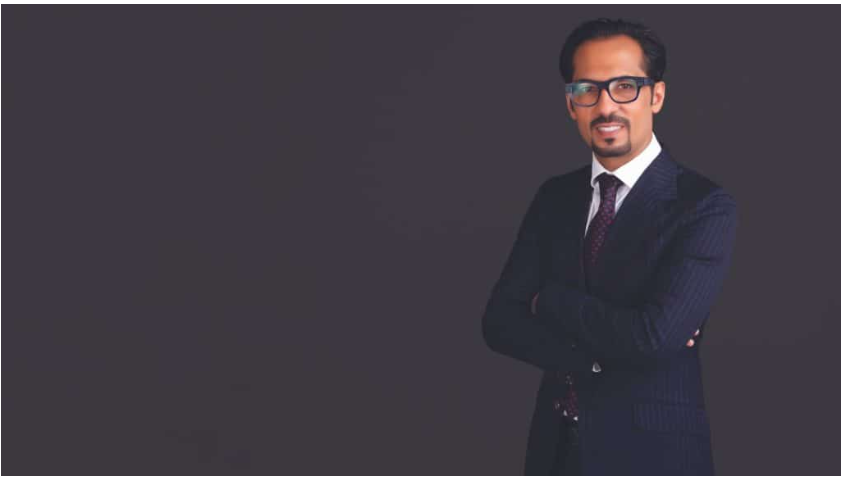
Yet the list also highlights structural gaps. Africa currently has no female billionaires, and most individuals on the ranking are over 60 years old. One of the youngest is Tanzanian businessman Mohammed Dewji, who is around 50.
In that context, Otedola’s ranking says less about individual decline and more about how concentrated and dynamic wealth has become.
The Reality Behind the “Poorest Billionaire” Label
The phrase Africa’s poorest billionaire is designed for headlines, but it obscures the financial reality.
At an estimated $1.3 billion, Otedola still belongs to one of the most exclusive economic groups in the world. Globally, fewer than 3,000 people hold billionaire status.
What changed was not the existence of his wealth but its configuration. By selling a significant stake in a publicly traded company, he reduced the measurable portion of his fortune tied to market valuations.
In financial terms, that shift represents capital mobility rather than financial decline.
Wealth Rankings Are Snapshots, Not Final Judgments
Billionaire lists often give the impression of permanence, yet they are merely snapshots taken at a specific moment in time.
Markets rise and fall. Companies list on stock exchanges, merge, or restructure. Investors buy and sell assets. As these movements unfold, wealth rankings adjust accordingly.
For figures like Otedola, whose career has already spanned oil trading, energy infrastructure, and financial investments, movement on such lists may simply reflect a new phase of business strategy.
The deeper story is not about who occupies the last position on a ranking. It is about how Africa’s economic elite are reshaping their fortunes in response to markets, policy shifts, and emerging opportunities.
And in that sense, the label attached to Otedola says more about the mechanics of wealth measurement than it does about the trajectory of his business empire.