Why Do Brides Wear White? Is That the Only Way to Get Married?
Why do brides wear white? Read about the true origins of white weddings, Queen Victoria’s influence, and how African cultures adopted an imported tradition.
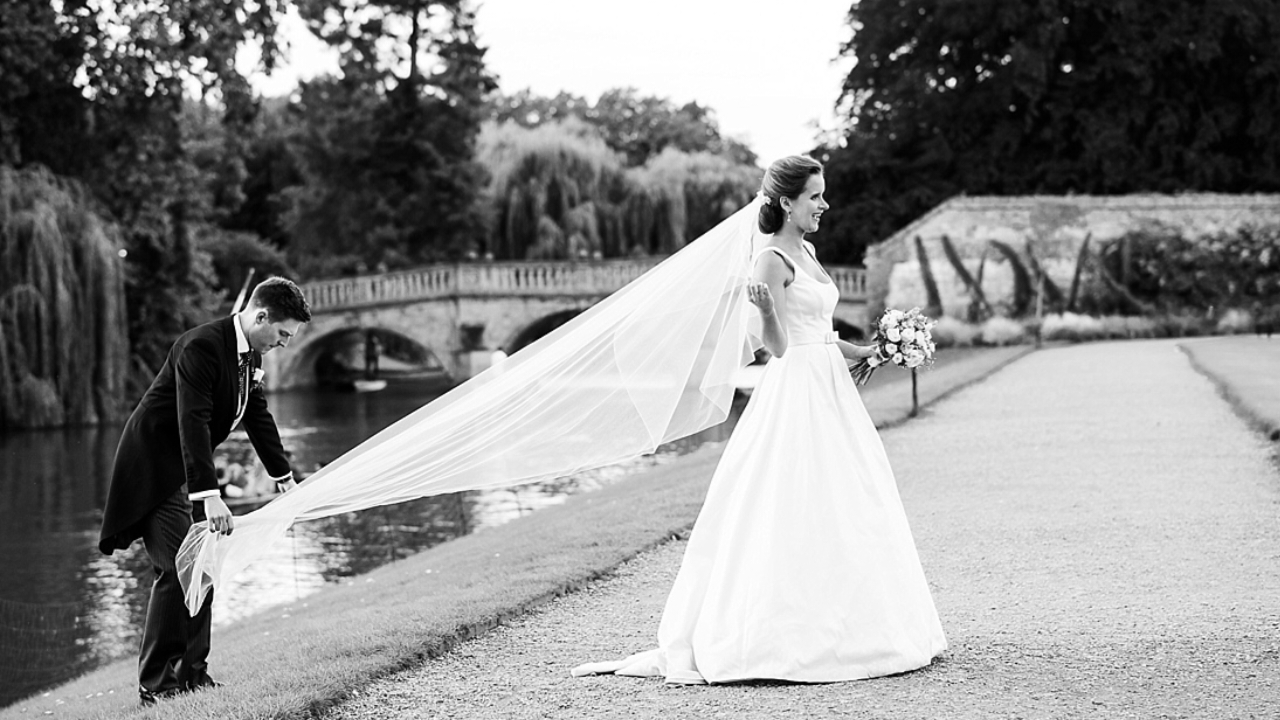
While growing up my younger sister was really concerned and fascinated about what her wedding was going to look like, the long white gown, a beautiful bridal train and everything that followed, you know them now.
And everytime someone married around the place where we lived it always reinforced the idea and fantasy of what her wedding would look like.
Me, I sha know that if nobody stands up, during the time the priest say “if anyone is not in support stand or forever remain silent” and nobody stands and the priest blesses the marriage, I know that I have sha married.
But if person stand sha, blood fit flow.
Note: I will do all the Oblee that comes with marriage, but not the way my younger sister is obsessed about it. Haba!
At some point I've come to realize that in our society, many of us have actually stopped asking why and simply accepted anything that is the norm, with no enthusiasm for questions or curiosity.
It's actually necessary to question various traditions, routines or practices not merely in the quest to disobey them, but just to know why they exist and the context of their existence.
Weddings are one of those ceremonies where tradition wears authority like a crown. From time immemorial it was the foundation of how marriages started but have you ever asked why some things are done during a wedding and in this case why brides wear white?
Who said the dress must be white and the suit black? Must it be inside a church, why can't I do it in front of a beach with the sweet ocean view—I have sha watched some beach wedding and I'm not gonna lie they are beautiful.
Let's continue and I'm asking again, who decided that brides must wear white? Was it written in the Bible? Did African ancestors agree to it at a unanimous meeting? Or did history quietly hand us a script that we’ve been performing without reading the fine print?
This piece that you're already reading pulls at that thread, gently and curiously, to demystify why white turned to be the default bridal color, what it meant before it arrived on African soil, and whether tradition should always mean imitation.
Why Do Brides Wear White? The Story Behind the Dress

Contrary to popular belief and opinions of some people, brides did not always wear white. For centuries, across Europe and other parts of the world, brides wore whatever they had.
Wedding dresses were not sacred garments reserved for one day, they were practical, reusable clothing. A bride might wear various colours of clothing from cream, purple, red, gold, white, or even patterned fabric, often her best dress and not just because it was special to her.
White, in fact, was impractical to use and incorporate in weddings back then. It stained easily, was difficult to clean, and symbolized wealth more than virtue.
Only families who could afford a dress meant for one-time wear dared to choose white. So when people say white has always symbolized purity, yes we know white signifies purity but is that all to it?
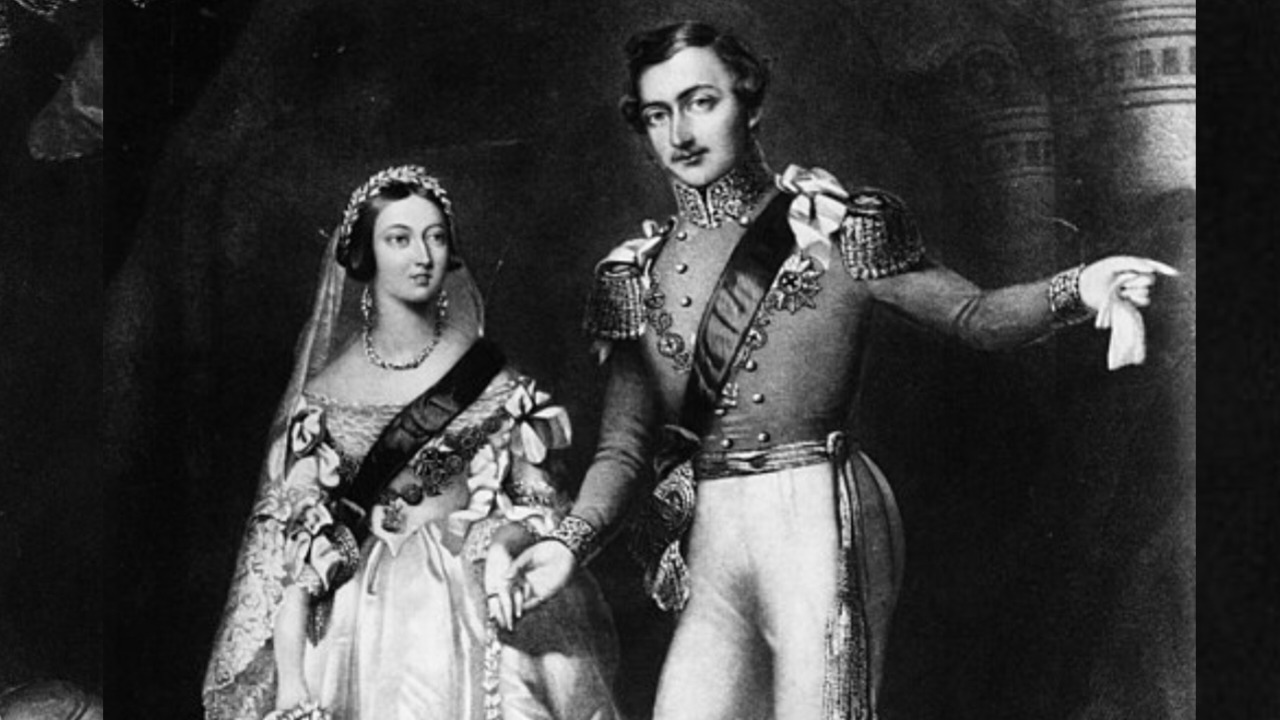
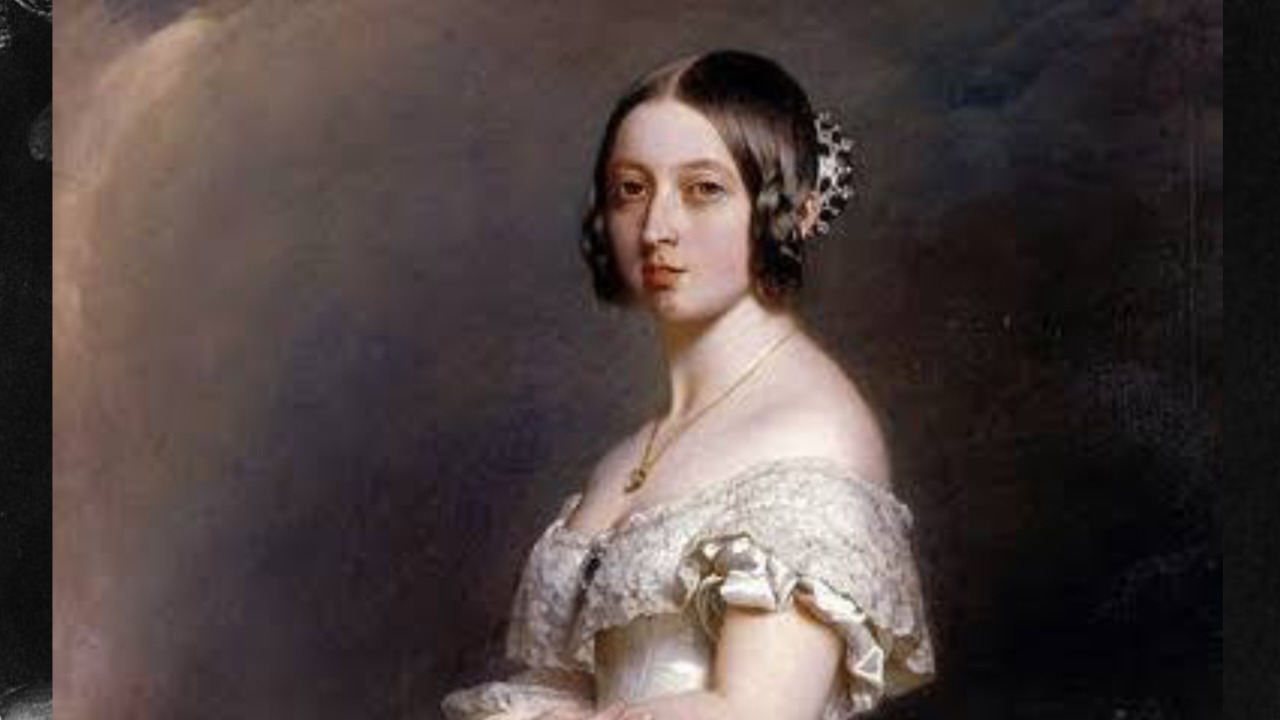
Brides wearing white during weddings started in 1840, when Queen Victoria married Prince Albert wearing a white gown. Her decision was not religious or spiritual, it was entirely political, royalty inclined and economically driven.
She wanted to showcase her British-made Honiton lace, supporting a struggling local industry. But because royal weddings were heavily covered by newspapers and magazines, her fashion choice went viral and was called the Victorian-style.
After her wedding white became aspirational. First adopted by wealthy brides and then it trickled down social classes and solidified into “tradition” by the 20th century.
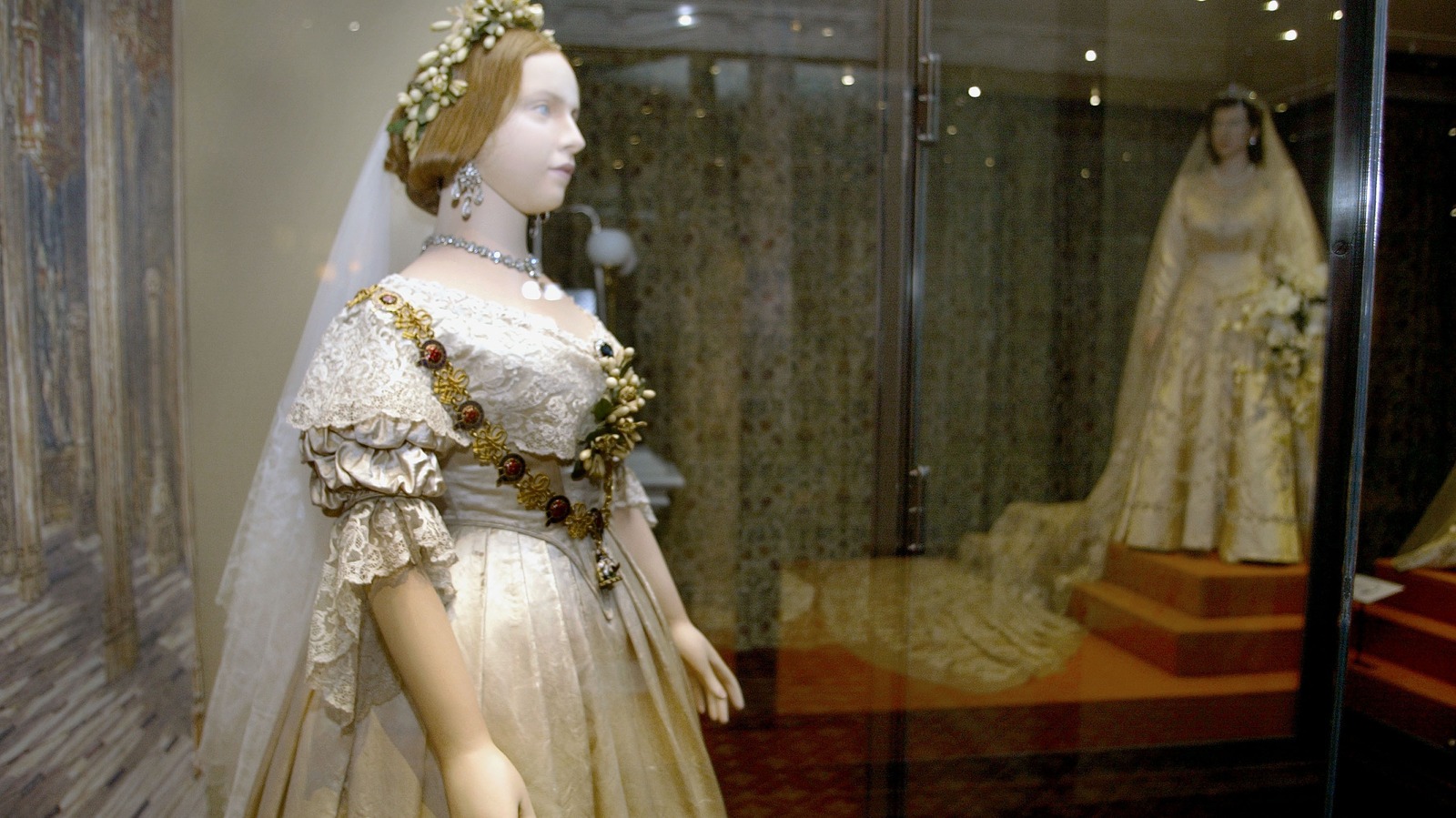
There are also some claims that the practice of wearing white during weddings was also likely associated with the Roman Republic.
Over time, the modern church embraced it and with white signifying the concept of purity, the color became moralized. But make no mistake, white was a trend before it became a part of modern theology.
Even today, globally, brides still wear other colors. In India, red symbolizes prosperity. In parts of China, red wards off evil spirits. In Japan, brides change outfits multiple times, blending Western white gowns with traditional Shintō attire.
It is just safe to say that wearing white simply won the popularity contest, without any meeting or vote.
African Weddings, White Weddings, and Borrowed Validation
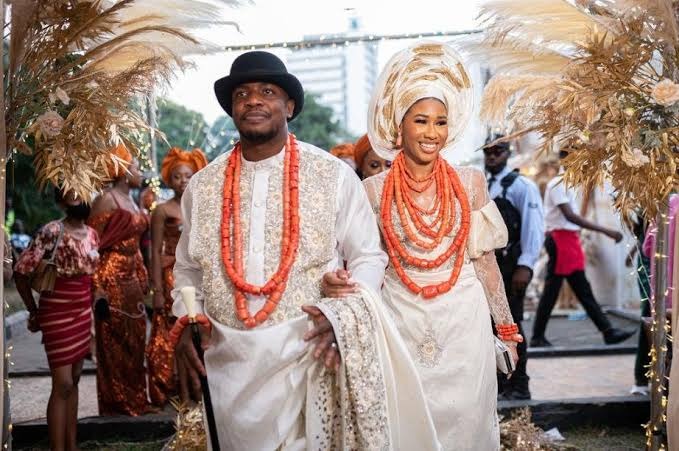
Now let’s bring this conversation to our shared reality, the African society.
In many African cultures, wedding ceremonies existed long before colonial contact. They were rich with symbolism, fabrics, beads, rituals, family negotiations, music, food items, and community witness. These ceremonies were complete on their own terms.
So there is a question, I actually want to ask, just a thought: should Africans do white weddings?
Because what we call a “white wedding” is, historically speaking, the traditional wedding of the British.
Bridal train, bridesmaids, flower girls, ring bearers, printed invitations, white cake, reception hall, this is not a neutral tradition, it is an imported ceremony.
Yet in many African societies today, a marriage does not feel “real” until the white wedding happens. Traditional rites are sometimes treated as incomplete, informal, or just merely cultural, while the white wedding is seen as the stamp of legitimacy.
Why?
I would say colonial history, religious influence, and social conditioning all play a role in all of it. Christianity, as practiced through colonial lenses, elevated Western norms and quietly demoted indigenous ones.
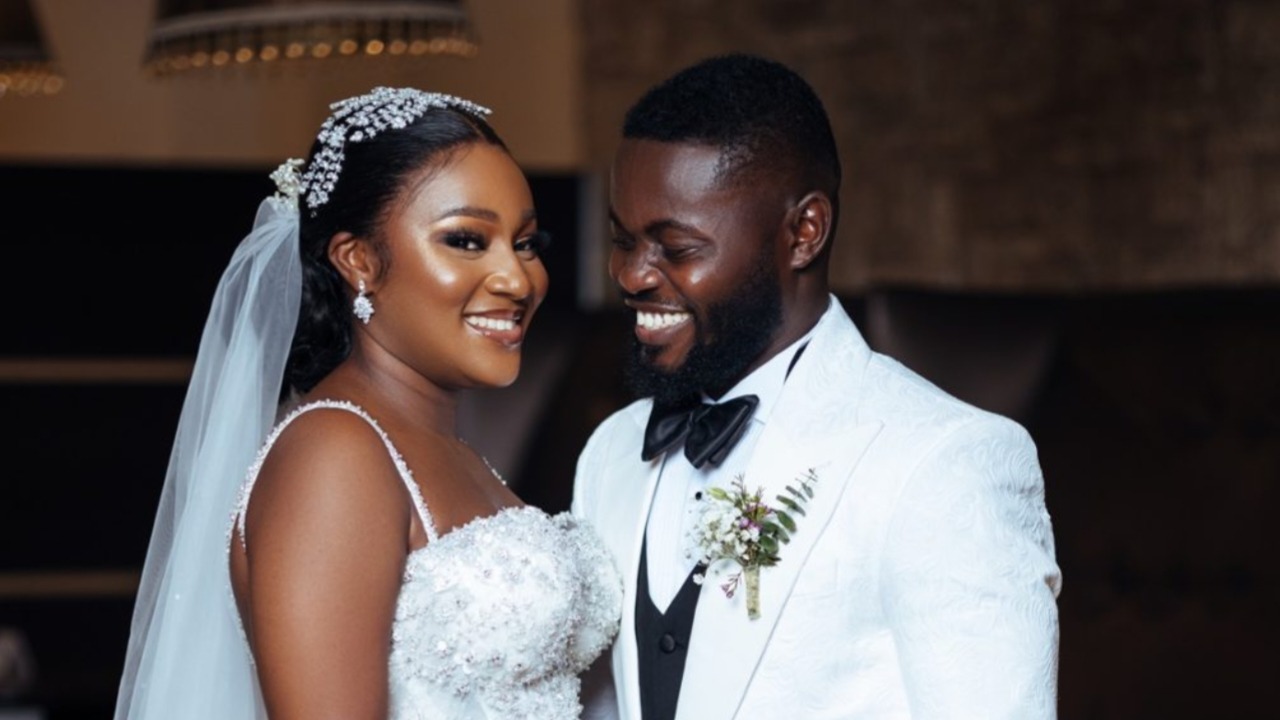
Over time, many Africans internalized the idea that formality, respectability, and seriousness comes with the concept of this Western cloth.
To be honest, many people do both weddings not out of conviction, but compromise and expectations in our current society and time.
Me, I know I’ll do both the white wedding and traditional wedding, because why not, my wife deserves the best.
But I'm not the reason we are here and we should focus on the question that needs to be asked, is the African traditional wedding not enough? Or have we been taught to measure validity by borrowed standards?
If someone does not do the acclaimed white wedding but performed all necessary traditional rites for marriage and was married legally according to the custom of their community, does that make the marriage incomplete?
Was it incomplete before the introduction of white wedding before the interaction with western influence?
Tradition Is History And Not A Commandment
White weddings are not wrong neither are suits evil, very soon I'll invite you to my wife's wedding, abi my own sef. Churches are not the problem in this case because white weddings are majorly done there. The issue here is unquestioned inheritance, patterns and traditions.
We live in societies where tradition is often treated as law, rather than history. We forget that many “normal” things, white bridal gowns, corporate suits, Western wedding formats, are products of specific times, places, and power structures.
African weddings today often feel incomplete without a white wedding, just as corporate spaces feel unprofessional without Western dress codes of corporate fits and not wearing African attire.
But history teaches us that norms are not neutral. They are chosen, spread, adopted, and sometimes imposed.
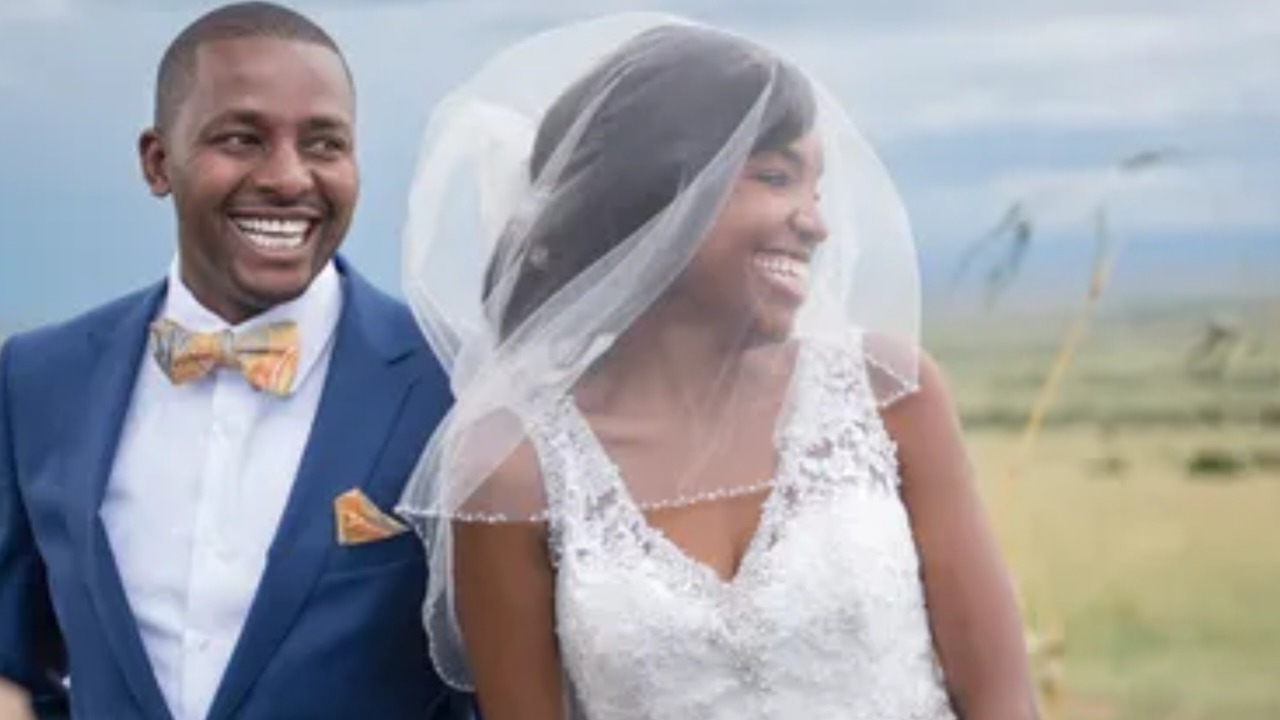
Reading history doesn’t mean rejecting everything. It means choosing consciously and being aware of the why and how things came to be.
The real takeaway isn’t whether brides should wear white or not, but that we should stop confusing patterns as normal and start to know why things are done in a certain way.
Always learn to ask questions and know why something is done, so you don't partake blindly, see you next time.