Why Are African Countries Becoming Destinations for America's Deportees?
African governments are increasingly accepting people deported by the US, raising a difficult issue: who takes responsibility when those people cannot safely return home?
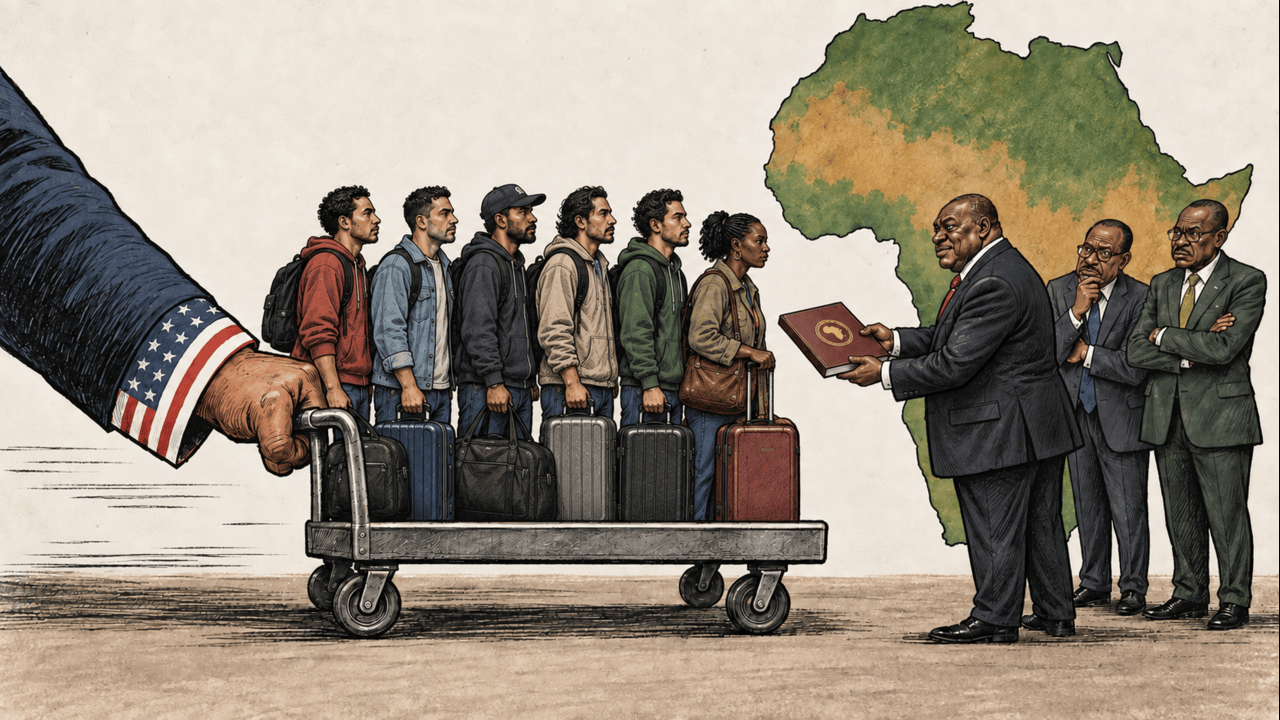
On August 20, six people refused to get off a deportation plane in Liberia. By September 6, they were still being held in Equatorial Guinea, thousands of kilometres from home.
They were four Cuban men, a Brazilian man and a Cameroonian woman. A Honduran deportee aboard the same flight said the group refused because Liberia was "not their country" and they feared they would be in danger there.
They were not sent back to the United States. Instead, they were put on another flight and taken to Equatorial Guinea, where they were held at aformer hotel in Malabo alongside other deportees. Lawyers have described poor conditions, restricted communication and limited access to medical care and basic necessities.
The case gives a clear picture of where America's expanding deportation arrangements can lead.
The United States is increasingly looking to African governments to solve an American immigration problem and African governments are deciding, for different reasons, that they are willing to help.
Africa is not just being used. African governments are choosing to participate.
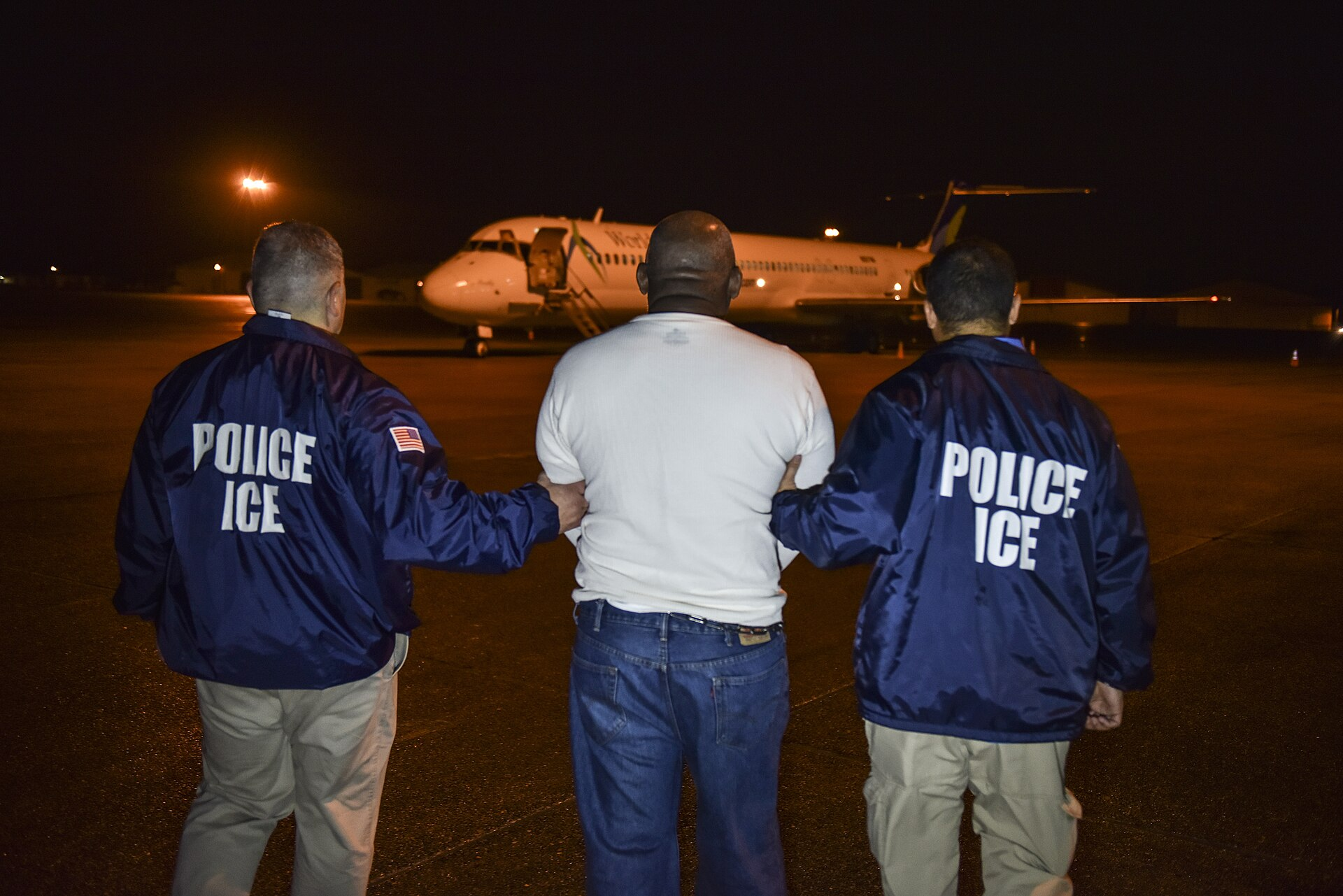
"Third-country deportation" sounds like a technical immigration term. In practice, it means someone who cannot, or is not being, sent directly to their own country is put on a plane to somewhere else.
Some of the people involved have criminal records. Some don't. Some have immigration violations. Others had already received protection from removal in the United States because an immigration judge found that returning them home could expose them to persecution or torture.
That distinction gets lost when everyone on these flights is simply called a deportee.
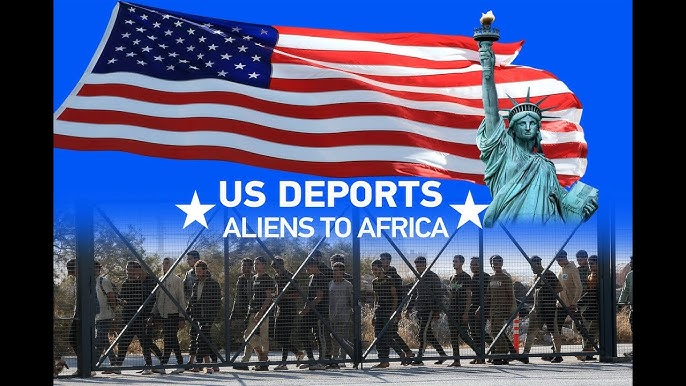
The Trump administration has expanded the practice quickly. In one 10-day period in August,more than 100 people from countries including Afghanistan, Cuba and Nicaragua were sent to eight African countries: Burundi, Cameroon, Central African Republic, Equatorial Guinea, Eswatini, Liberia, Rwanda and Sierra Leone.
Liberia has agreed toreceive up to 1,200 people over 12 months.
Sierra Leone has already received people fromGhana, Guinea, Senegal and Nigeria. A Nigerian has already been part of the system.
For Nigerian readers, that brings the issue much closer to home. If a Nigerian is removed from the United States to another African country, who agreed to receive that person? What happens when they arrive? And what happens if they cannot safely be sent back to Nigeria?
Sierra Leone adds another complication. Under its arrangement, the country serves as a temporary transit point, with deportees expected to eventually move on to their home countries.
What does Africa get in return?
It is tempting to describe these arrangements as America paying African countries to take unwanted migrants.
In some cases, there is clearly money involved.
TheUnited States paid Equatorial Guinea $7.5 million under its deportation arrangement. Rwanda alsoagreed to accept up to 250 deportees in exchange for a cash grant, later reported at the same $7.5 million figure. Eswatini's agreement was reported at $5.1 million.
But money does not explain every arrangement.

Liberia has insisted that its deal was not a payment-for-deportees arrangement. Monrovia has presented the programme in humanitarian terms and said people arriving can seek asylum. The United States is also providing support connected to managing the programme and strengthening Liberia's migration system.
Liberia has a longstanding relationship with Washington too, including a U.S.-Liberia trade and investment framework. Closer cooperation therefore has value for Monrovia beyond the deportation programme itself.
Sierra Leone's arrangement is different. It has agreed to receive West Africans deported from the United States, including Nigerians, as a temporary transit arrangement.
There is no single African bargain with Washington. For some governments, the attraction may be financial. Liberia, for example, points to humanitarian reasons as well as support for its migration system and its wider relationship with the United States.
I would therefore be careful about describing these countries as helpless victims of American policy.
They have agency in these deals and the more uncomfortable issue is what they are taking responsibility for in exchange.
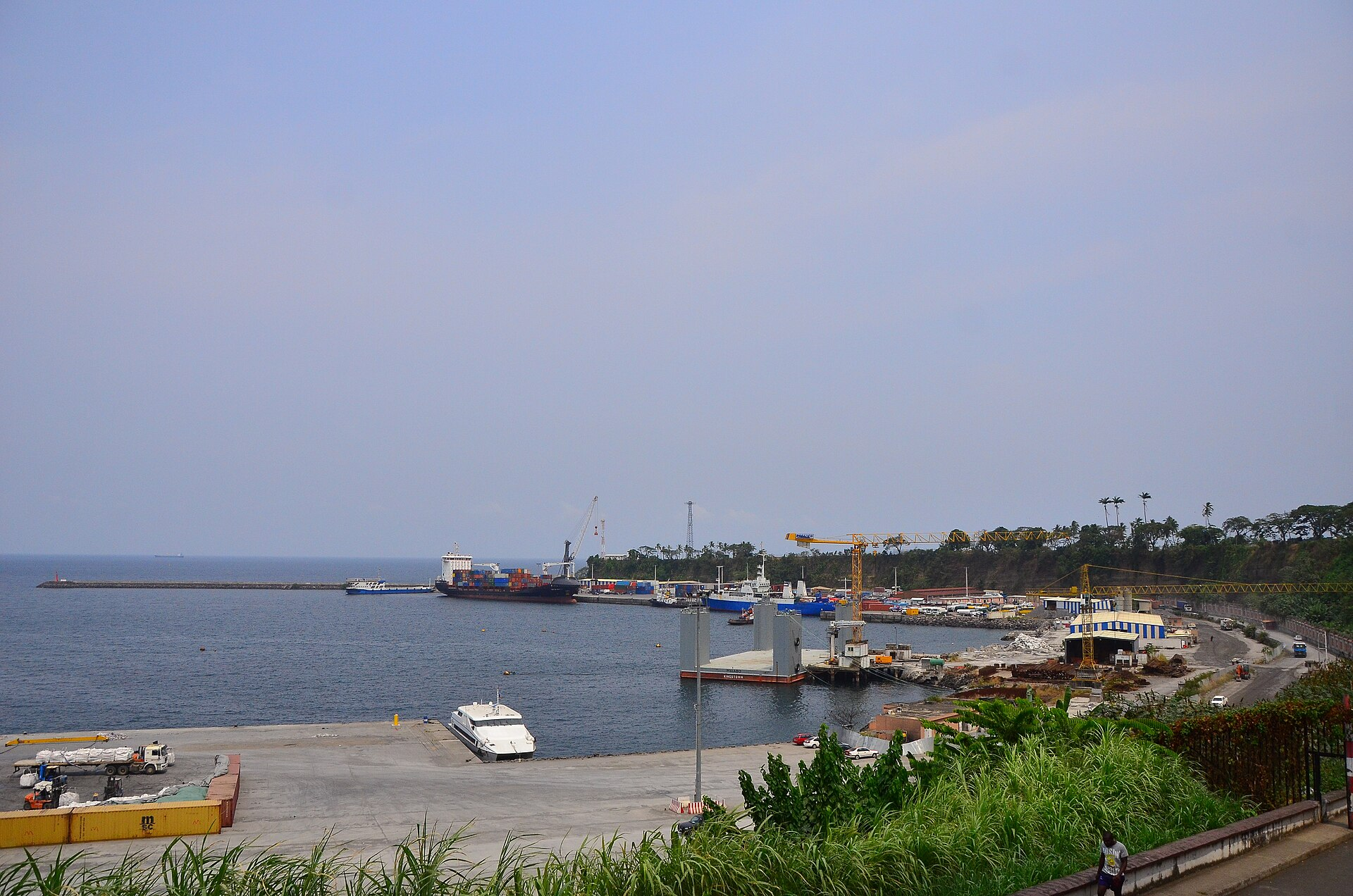
A government can agree to receive 20 people, 100 people or 1,200 people. Someone still has to deal with what happens after they arrive.
They need somewhere to stay. They may need medical treatment. They may need lawyers. They may want to seek asylum. Eventually, somebody has to decide what happens if they cannot remain.
Equatorial Guinea provides a particularly difficult example.
Meredyth Yoon, litigation director at Asian Americans Advancing Justice-Atlanta, said the six people who resisted leaving the Liberia flight were told they would be returned to the United States but were instead flown to Malabo.
"It was a really heartbreaking and chaotic scene when they arrived in Malabo," Yoon told reporters. She said some arrived in chains and in extreme distress, including the Cameroonian woman and a Cuban man with a large abdominal growth who uses a colostomy bag. There was no medical staff at the hotel where the six were being held, she said.
One of them, Brazilian national Pietro Graza de Lima, was 57 and had been living in Florida. According toFolha de S.Paulo, he was originally placed on the August 20 flight to Liberia but refused to leave the plane with the other five. He ended up in Equatorial Guinea, and Brazil's Foreign Ministry only learned of his location on August 25 while seeking to provide consular assistance.
An agreement between governments may be easy to negotiate. The situation can be far more complicated once the people involved arrive, particularly when they have medical or legal needs.
And if the receiving country cannot or will not keep them, another country may become the next destination.
What does this mean for Africa?
I don't think the answer is that African countries should automatically reject every deportation agreement with the United States.
Governments have their own interests. They can negotiate terms, demand safeguards and decide what kind of cooperation makes sense for them.
But they also need to be honest about what they are accepting.
A deportation agreement can bring money or diplomatic benefits that are easy to count. The cost of housing people, handling asylum claims, providing healthcare or dealing with people who cannot safely return home is much harder to measure.
For Nigeria, the issue is even closer.
A Nigerian deported from the United States can now find himself in another African country because that country agreed to receive him. African governments are therefore becoming part of how America's immigration policy is carried out, rather than simply watching it from the outside.
The six people who refused to leave the plane in Liberia offer a particularly uncomfortable example. They were removed from America, sent to a country they said they feared, refused to leave the aircraft and ended up in Equatorial Guinea instead.
Before agreeing to the next deal, African governments need to know what happens after the plane lands, especially when the person on it cannot safely go home.