What If Style Has Nothing to Do With Money? The Fashion Truth We Overlook
True style and fashion sense has absolutely nothing to do with money, here is why! Do you want to know? Then read this article on the myths surrounding fashion, the harm of class-driven misconceptions, and the real secrets behind authentic, elegant personal style.
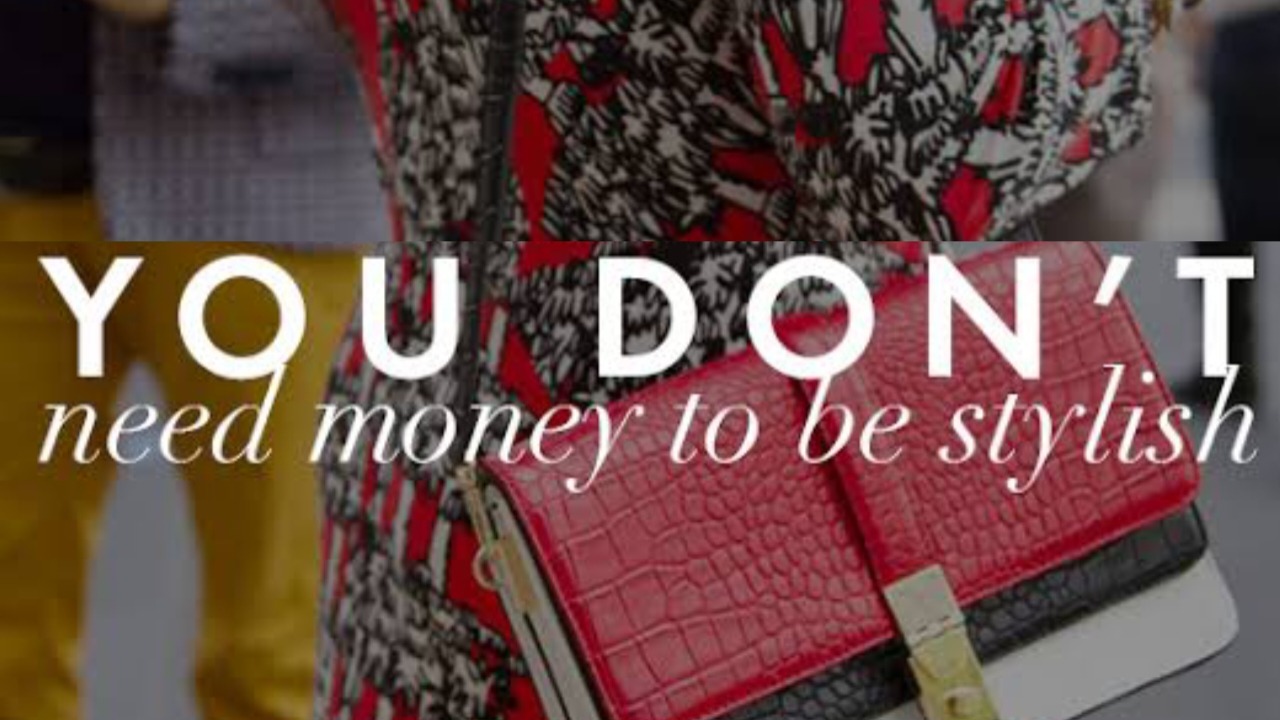
Do you know that our style has always been at the intersection of identity and performance? how people perceive us and rate our taste and even actually social class and wealth status, ooh you know that already, but it will still surprise you to know that many people think styling and how we actually dress lives in price tags and following trends. When people say someone is stylish, they often imagine designer labels, curated luxury wardrobes, or outfits that cost more than a month’s rent or threaten their bank balance. It has become so normalized that individuals brag about how much an outfit costs as though the amount spent is the certificate of elegance. I thought fashion was about being presentable in the most simple but yet elegant way. In reality, style has never been about money, and it has never waited for a thousand-dollar blazer before revealing itself. What makes someone genuinely striking is not the designer logo printed boldly across their chest, but the ability to harmonize colours, elements, personality, and confidence into something visually compelling. It might shock to know that someone wearing a thrifted shirt and clean jeans can command more respect than someone drowning in head-to-toe luxury with too many accessories on their body.
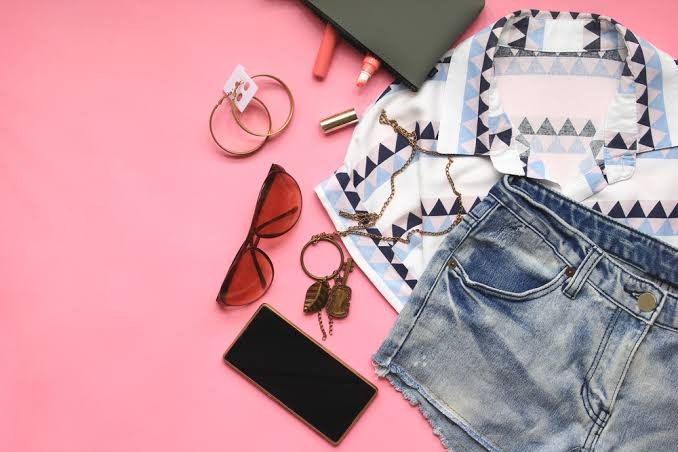
True style begins long before you buy anything. It begins in the mind and then the mirror. It is the silent intelligence behind pairing what you own in a way that looks intentional rather than accidental. Many people believe looking stunning requires a heavy bank account, but the real secret is understanding the power of intentional styling, and how a well-chosen combination can elevate even the most affordable outfit. The truth whether most of you agree or not is that creativity will always outshine cost. A person who shops modestly but understands balance, silhouette, texture, and colour will consistently outperform someone who relies solely on brand names.
The Costly Illusion: When Price Becomes a Substitute for Taste
The modern fashion world is deeply shaped by consumerism and subtle class performance. For many, the idea of being stylish is tied to wealth because fashion is marketed as luxury. Social media fuels this illusion by presenting curated images of celebrities and influencers dressed in expensive, often gifted outfits. The result is a culture where cost and status overshadow taste and authenticity.

Source: Google
This obsession with designer labels creates a dangerous misconception: that you can buy style simply by paying for it. Yet millions of well-dressed people around the world prove the opposite daily. The best-dressed individuals, those who turn heads effortlessly, aren’t necessarily the richest. They are the most intentional. They understand proportion, comfort, and cohesion. They know that simplicity can speak louder than glitter, and that a well-fitted plain shirt is more elegant than an oversized designer outfit worn carelessly.
Another misconception is that style means immodesty, revealing clothing, or thirst-trapping. Many assume that to be fashionable, one must dress provocatively or adopt trends that do not align with their values or comfort. But the truth is that modest fashion has created some of the world’s most iconic looks. Style is not defined by how much skin is shown; it is defined by how confidently and consciously a person expresses themselves through clothing. You can be covered, classy, comfortable, and still the best-dressed person in a room.
These myths exist because society equates rarity with value and many people just follow trends without actually thinking about what they want for themselves. Designer pieces often feel exclusive and the thrill of it excites many individuals. But exclusivity does not guarantee beauty. It does not guarantee understanding. And it certainly does not guarantee style.
The Real Definition of Style: Identity, Creativity, and Intentionality
When you strip fashion from all forms of hype and branding, don't get me wrong, the fashion industry deserves all the hype it gets but lets be real for a moment, style becomes a deeply personal language, one that only you can actually speak and express for even a fashion designer to understand. So when you wear any piece of fashionable clothing, it is literally how you communicate yourself without speaking. It is an identity made visible. The real fashion truth we often overlook is that style belongs to those who are self-aware. It rewards people who understand themselves, how they move, what colours complement their undertone, what silhouettes flatter their frame, and what fabrics make them feel confident.
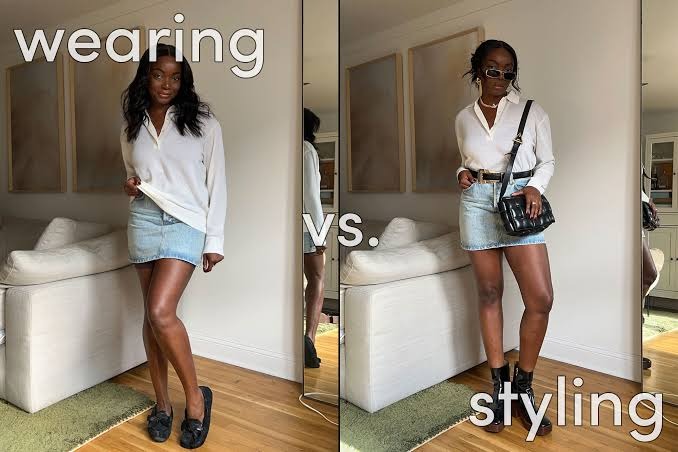
Creativity is at the heart of style. The ability to see possibilities where others see limits is what produces a look that feels both effortless and expressive. Someone who shops from a local market or thrift store can build a wardrobe full of uniqueness, while someone who shops luxury only may end up looking like a mannequin in a branded store, impressive, but predictable.
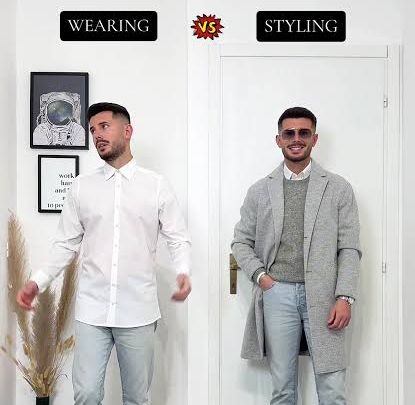
Another overlooked reality is that style is a habit, not an event. People assume some individuals are naturally fashionable, but the truth is more grounded. Stylish people pay attention. They learn. They observe. They curate. They experiment. They edit. They stay consistent. And most importantly, they dress for themselves, not for approval.
Style is also cultural. In Africa, fashion is deeply connected to heritage, storytelling, and identity. From Ankara patterns to Maasai fabrics, from Ghanaian Kente cloth to South African beadwork, African fashion is rooted in meaning. Yet many Africans undervalue local craftsmanship because they assume Western labels define class. But authenticity is the strongest style statement one can make. Wearing your culture with pride, intentionally and creatively, is one of the most powerful forms of elegance.
Whenever money becomes the measuring stick for style, we lose touch with what fashion truly represents: creativity, expression, identity, confidence, and intentionality.
When Misconceptions Shape Our Choices: The Hidden Harm We Ignore
The misconception that style is expensive creates insecurity. It makes people feel inadequate because they cannot afford designer items. It leads to unnecessary competition, financial pressure, and in many cases, a complete loss of identity as people copy trends without thought. The pressure to keep up destroys individuality.
Another harmful misconception is the belief that trends equal style. Trends are temporary; style is timeless. When people chase trends, they lose the chance to develop a personal aesthetic. What remains is a wardrobe full of items they do not truly love, clothes that are outdated and purchased for social validation rather than personal expression.

Social media contributes to this fog by showcasing only highlight moments. It rarely shows how everyday people create beauty through simplicity. Trends promote mimicry, but true style requires self-awareness. This is why some of the most fashionable individuals are not influenced by what is trending. They simply understand what works for them.
There is also the persistent perception that being stylish means being youthful, slim, or fitting specific beauty standards. This lie erases countless people who do not fit the supposed strata but still dress beautifully. Style has no age. It has no body type. It has no gender. It has no financial requirement. The only thing it demands is intention.
The biggest damage, however, is how these misconceptions rob people of confidence. When people think they lack style because they lack money, they lose the courage to express themselves. They hide their creativity. They compare. They conform. They shrink. And fashion becomes a tool of insecurity instead of self-worth.
The True Art of Styling: Confidence, Body Awareness, and Authentic Expression
Every stylish person understands one simple truth: clothes don’t make you stylish; you make the clothes stylish. The real beauty of fashion lies in the harmony between awareness, possession, and intention. Regardless of your budget, you can elevate your appearance by first understanding yourself, understanding your body, embracing your identity, and choosing what aligns with your true aesthetic.
One of the most transformative styling principles is body awareness. When you know your shape, your shoulders, waistline, proportions, and height, you make better choices. You stop buying clothes that only look good on mannequins and start selecting clothes that look good on you. This is where real elegance begins. The right silhouette enhances your strengths, softens the areas you feel insecure about, and makes you stand taller.
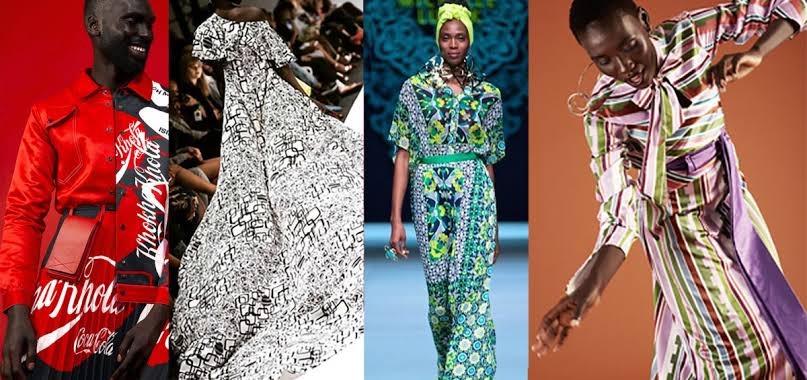
Another key principle in styling is colour harmony. Colours communicate moods, personalities, and identities. Someone who understands their undertone and chooses complementary shades will always appear more put together than someone wearing expensive pieces in colours that clash with their complexion.
Fabric also matters, don't let anyone deceive you and if you can, avoid very cheap fabrics. Breathable and quality fabrics elevate comfort. Structured fabrics create definition. Flowing fabrics communicate softness. When you choose materials intentionally, your outfit speaks before you do.
But all these principles only matter when anchored in confidence. Confidence is the final accessory, carry your confidence with audacity, because it is the one thing that cannot be bought. You can style a basic wardrobe into excellence if you carry yourself with clarity, self-respect, and presence.
The fashion truth we overlook is simple: style belongs to everyone. Money can buy clothes, but it cannot buy taste, creativity, identity, or presence. Those are earned through awareness, intentionality, and self-expression.