What If Nigeria Stopped Importing Fuel Tomorrow?
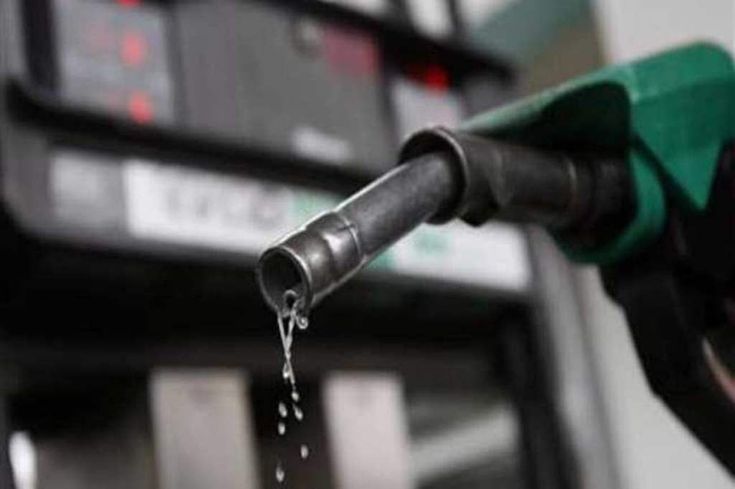
What would really happen if Nigeria stopped importing fuel overnight? From food prices to power supply and public services, this bold thought experiment explores the cascading impact on daily life, the economy, and the country’s fragile infrastructure.
Written By: Oladogba Oladolapo
Nigeria, Africa's largest economy and most populous nation, is one of the world's major oil producers yet remains heavily reliant on imported refined petroleum products.
This has been a constant source of national debate and economic vulnerability. But what if, by some sudden, unforeseen decree, Nigeria were to halt all fuel imports tomorrow?
The thought alone brings unimaginable fear to every Nigerian, painting a grim picture of immediate chaos, economic paralysis, and a forced, painful re-evaluation of the nation's very foundations.
The Immediate Fallout: A Paralyzed Nation
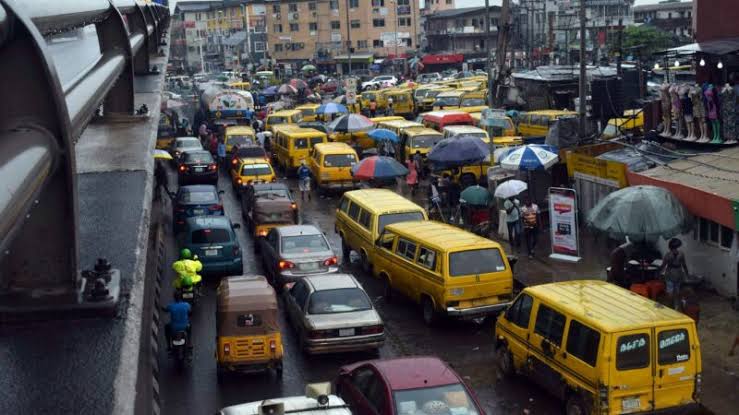
Photo Credit: Global Voices
The most immediate and devastating impact would be on transportation. According to Wikipedia, Nigeria's vast network of roads, carries over 90% of passenger and freight traffic, the lack of fuel would grind it to an halt. Buses, commercial motorcycles (Okada), tricycles (Keke Napep), and private vehicles would become useless metal shells.
This isn't merely an inconvenience; it's a complete disruption of daily life and commerce. Food, desperately needed from farms to urban markets, would cease to move. Essential goods would be stranded. The bustling energy of Nigerian cities, fueled by constant movement, would turn into an eerie silence.
Simultaneously, the nation would plunge into an power crisis. With an unreliable national grid, an estimated 40% of Nigerian households and businesses rely on generators for their power needs, according to a 2023 report by Stears Business.
Without imported fuel, these generators would fall silent, plunging homes, offices, hospitals, and factories into darkness. Businesses, already grappling with high operating costs, would face immediate shutdowns, leading to massive job losses.
Nationwide Stagnation: Impact Across Industries.
The ripple effect would tear through every sector in the country. Factories that depend on diesel-powered generators for production, would cease operations.
Supply chains would collapse entirely. This would lead to a severe shortage of locally produced goods, further exacerbating prices.
Nigeria's vast agricultural sector, while largely informal, relies on fuel for transportation of produce from rural areas to markets, powering irrigation pumps, and operating farm machinery.
A fuel import halt would mean crops rotting in fields, a drastic reduction in food supply, and an inevitable hyperinflation in food prices, pushing millions into deeper food insecurity.
Nigeria's food inflation rate was 21.97% year-on-year in June 2025, a persistent challenge even with fuel imports, as reported by Premium Times and AInvest, pushing millions into deeper food insecurity.
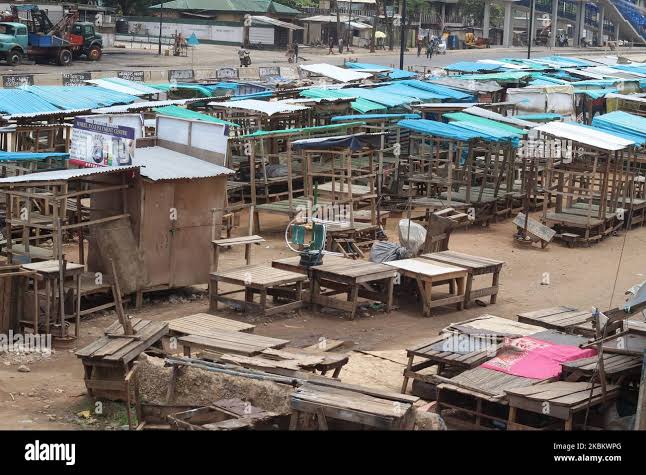
Photo Credit: Alamy
Hospitals and clinics rely on generators for critical equipment, lighting, and refrigeration of medicines. Ambulances and emergency services would be unable to operate.
The implications for public health, especially in a country with a high disease burden, would be catastrophic, leading to preventable deaths and a humanitarian crisis.

Schools, from primary to tertiary levels, would struggle to operate. Commuting for students and teachers would become impossible. Even institutions with alternative power sources would face challenges due to the interconnectedness of society.
The informal sector which employs a significant portion of the Nigerian population, would be decimated. Small businesses, street vendors, artisans, and service providers who depend on daily fuel for transport or power would lose their livelihoods instantly.
This would trigger widespread unemployment and extreme poverty.
Government and Public Services: A System Under Strain
The government itself would not be left out of it. While some government functions might be able to leverage limited solar power or existing reserves, the vast majority of civil servants would be unable to commute to work.
The operations of ministries, departments, and agencies would be severely hampered, affecting governance and public service delivery.
The mobility of the police, military, and other security agencies is entirely dependent on fuel. Past fuel crises have already shown how this impacts security operations, leading to reduced patrols and delayed responses to distress calls, as reported by Daily Trust.
Patrols would cease, response times to emergencies would become non-existent, and the already challenging security situation in various parts of the country could rapidly spiral out of control.

Photo Credit: Businessday NG
Water treatment plants, waste management services, and other critical public utilities often rely on diesel generators or fuel-powered vehicles. Their disruption would pose immediate public health and environmental hazards.
Beyond the Obvious
The sudden cessation of fuel imports would expose several vulnerabilities in Nigeria's current state.
Unlike countries with stable grids, Nigeria's pervasive dependence on individual generators means a fuel halt directly equals a nationwide blackout, affecting virtually every aspect of life.
Fuel is a fundamental input cost for almost every good and service in Nigeria. A sudden disappearance of fuel would trigger an inflationary spiral, making basic necessities unaffordable for the majority. Even without fuel, the psychological impact alone would send prices rising.
Widespread frustration, unemployment, and the inability to meet basic needs would inevitably lead to widespread social unrest, protests, and a significant increase in crime and insecurity.
The core of the problem lies in Nigeria's inability to refine enough crude oil to meet its domestic demand. Despite being a major crude exporter, its state-owned refineries are largely moribund.
Alhaji Aliko Dangote, among others, has expressed doubts about the feasibility of reviving these aging facilities, stating they are "technically insolvent, chronically non-operational, and structurally unsalvageable," as reported by THISDAYLIVE.
This dependence on imports makes the nation incredibly fragile to global market fluctuations and, in this hypothetical scenario, a complete supply cut. The Dangote Refinery, while promising, is still ramping up production and cannot instantly fill the entire national void.
Small and Medium-sized Enterprises (SMEs), the backbone of many developing economies, are particularly vulnerable. They often operate on thin margins and lack the financial reserves to withstand such a shock.
The impact of fuel price increases on SMEs has been well-documented, leading to increased operating costs, supply chain disruptions, decreased profit margins, and even business shutdowns, as highlighted in studies on the impact of fuel subsidy removal on SMEs. This would lead to mass bankruptcies.
Short-Term Adaptations and Long-Term Imperatives

Source: News Agency of Nigeria
In the immediate aftermath, a black market for any remaining fuel would inevitably emerge, with prices skyrocketing to unimaginable levels. People would resort to desperate measures for transport, potentially leading to a surge in walking, cycling, or even animal-powered transport in rural areas.
In the longer term, such a catastrophic event would force a national emergency. It would accelerate the push for a crash program to revive and build new refineries would become the absolute top national priority, potentially involving massive foreign investment and expedited construction.
There would be a desperate, forced pivot towards solar energy, wind power, and other renewables. While costly and time-consuming to implement on a national scale, the urgency would be undeniable.
A functional, large-scale public transport system would become an urgent necessity, reducing individual reliance on fuel.
Nigeria would be forced to seek emergency fuel supplies from international partners, potentially at exorbitant costs and with significant diplomatic concessions.
The Truth: Nigeria's Fuel Future
Source: Adobe Stock
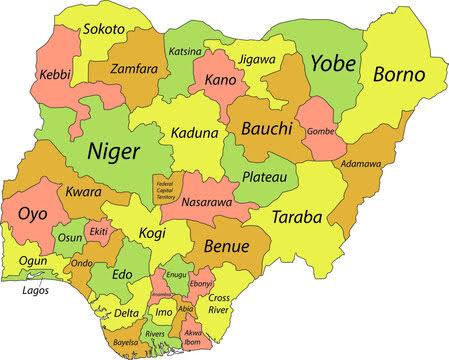
Stopping fuel imports tomorrow would not just be an economic crisis; it would be a complete societal breakdown. It would expose the profound fragility of a nation that has failed to adequately invest in its domestic refining capacity and diversify its energy sources.
While the scenario is hypothetical, it serves as a stark warning and a powerful reminder of the urgent need for Nigeria to achieve true energy independence.
The path to self-sufficiency is not merely an economic aspiration; it is a critical imperative for national stability, security, and the well-being of its over 200 million citizens. The scenario would be an unimaginable nightmare.
Written By: Oladogba Oladolapo