What Exactly Can Tinubu Do? The Powers and Limits of Nigeria's President
What powers does President Bola Tinubu actually have? Learn the constitutional responsibilities of Nigeria's president, governors and local governments, and who should be held accountable for what.
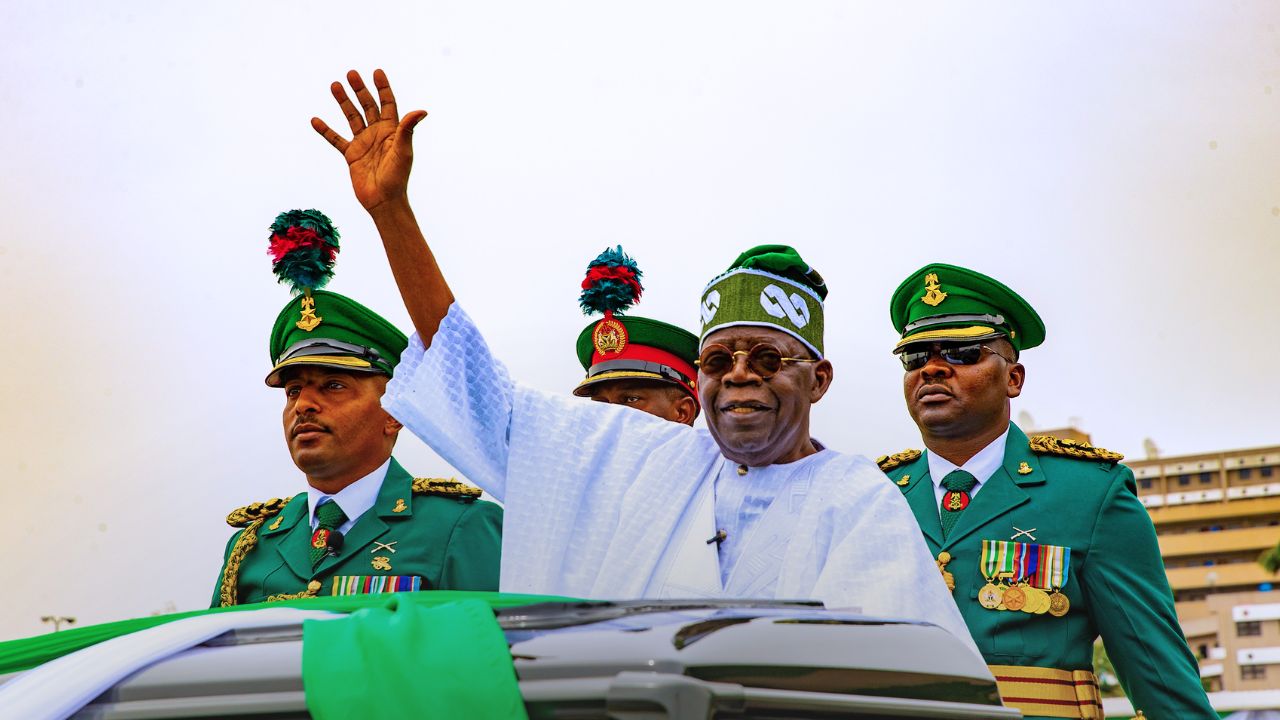
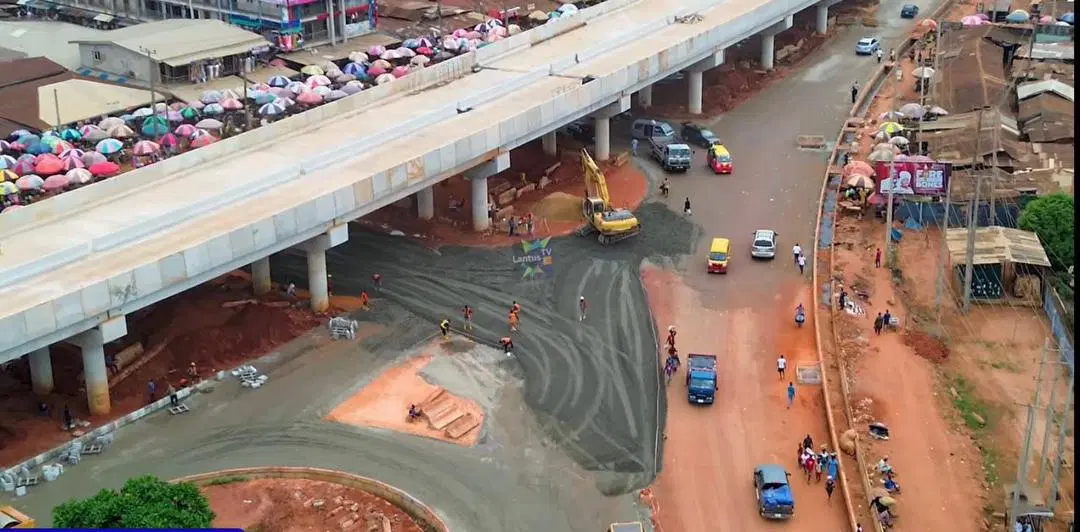
When President Bola Tinubu recently told state governors to stop building "unnecessary flyovers" and focus instead on roads that improve citizens' quality of life, the comment sections erupted.
Some praised him for calling out wasteful spending. Others asked why shouldn't the president worry about federal roads, security, and the economy before critiquing how governors spend state money?
The backlash was real but it exposed how most Nigerians aren't entirely sure where presidential power ends and state or local responsibility begins.
Let’s break down what the president can actually do, what falls to governors and what belongs to local government, so next time there is frustration to pour out, it lands on the right desk.
What the 1999 Constitution Says About Presidential Power
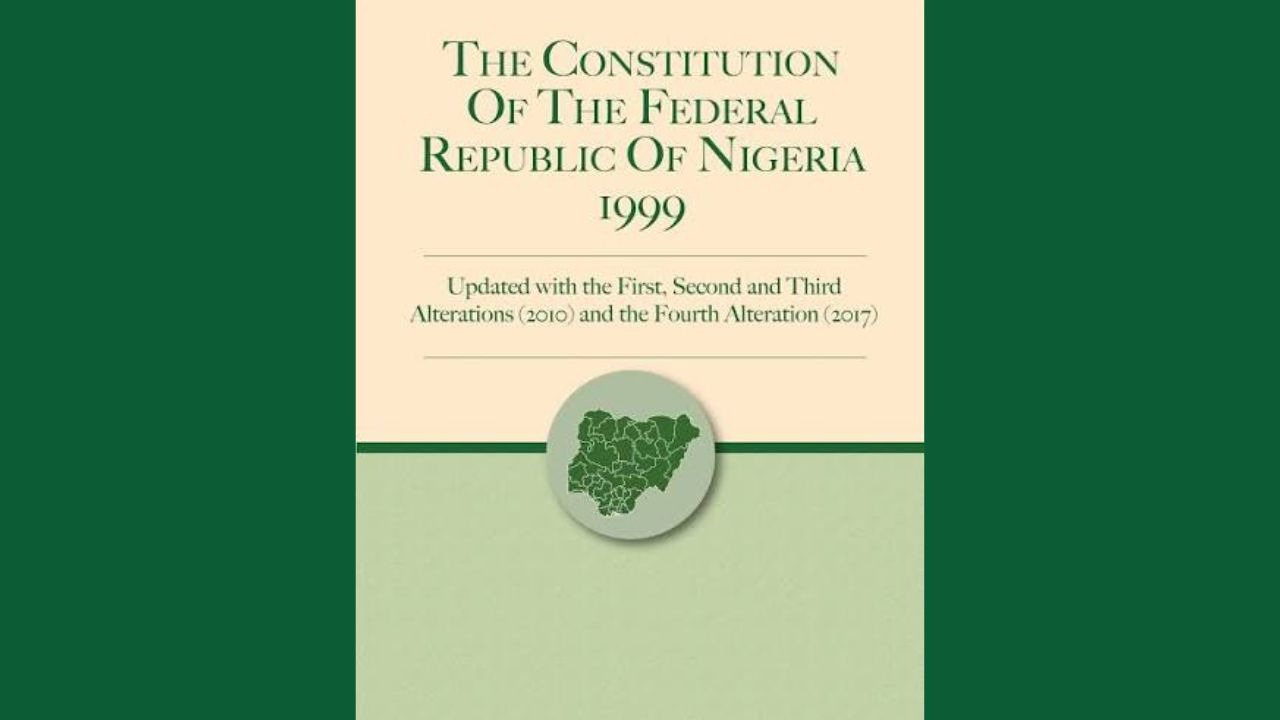
Nigeria runs a federal system and the 1999 Constitution (as amended) is the guide. It divides responsibilities using an Exclusive Legislative List and a Concurrent Legislative List.
The Exclusive List belongs to the federal government alone where defence, foreign affairs, immigration, currency, the police, aviation, mining, telecommunications, and interstate roads and railways, fall under. This is Tinubu's core section.
When Nigerians complain about insecurity, the naira's value, fuel prices, national debt or federal highways like the Lagos-Ibadan expressway, that responsibility sits with the presidency not the governors.
The Concurrent List covers areas both federal and state governments can legislate on, such as education, health and electricity, provided the state laws don't contradict the federal ones.
Everything not listed placed under the Residual List, belongs to the states by default. This includes primary healthcare delivery, state roads, urban planning, land use and agriculture at the state level.
In other words, the Nigerian president is powerful, but constitutionally, his direct authority is narrower than the public often assumes.
What State Governors Are Actually in Charge Of
Roads within a state that aren't federal highways, state hospitals, state civil service salaries and internal infrastructure projects like flyovers are governors' decisions.They are usually funded largely from Federation Account Allocation Committee (FAAC) disbursements and internally generated revenue (IGR).
When a governor chooses to build a flyover instead of expanding a general hospital or fixing rural roads, that is a state-level budgeting and priority decision not something the president can override but only critique publicly, as Tinubu did.
This is also why the backlash to his comment split two ways. One camp argued Tinubu was simply stating a governance truth since state governments now receive significantly higher FAAC allocations and should be judged on outcomes.
The other camp pointed out that the federal government controls a disproportionate share of national revenue and sets the very economic conditions such as inflation, subsidy removal and exchange rate policy, that shrink what governors can do with their allocations in the first place.
Both points are legitimate, and that tension is precisely why "presidential powers in Nigeria" and "state government responsibility" are separate but connected conversations.
Local Government: Nigeria's Weakest and Most Confusing Tier
Local governments are constitutionally recognised as the third tier, responsible for primary education, local markets, waste management, birth and death registration, and community-level infrastructure.
In theory, they are autonomous. In practice, most local governments have historically depended on state governors for funding through State Joint Local Government Accounts, which critics say lets governors control local government money and appointments.
The Supreme Court's 2024 ruling granting local governments direct access to FAAC funds was meant to change this, but implementation has been slow and uneven across states.
So when your local roads are bad, your primary healthcare centre is empty, or waste isn't collected, the honest answer is that is a local government failure but one often enabled by state-level control over LG finances.
The Flyover Debate as a Case Study in Misplaced Blame

Tinubu's comment is a useful lens for this entire conversation. If a state governor prioritises a flyover over hospitals or rural roads, that is a state-level accountability issue where vote, protest, or petition should be directed at that level.
If insecurity is the underlying reason security agencies "can't penetrate" certain areas, as Tinubu framed it, that responsibility for national security strategy sits with the presidency.
If your ward's drainage or local clinic is the problem, that is a local government issue, frequently entangled with the state government.
Before directing frustration at any single office, ask three questions.
First, is this a national issue where currency, security, foreign policy, federal roads and immigration is involved? Then it is the president's responsibility.
Second, is this about how a state spends its allocation, manages state hospitals, or plans state infrastructure? Then it is the governor's.
Third, is this a hyperlocal issue where markets, primary schools, ward roads and waste collection are involved? Then it is the local government, even if the state often holds the purse.
The Fiscal Federalism Problem Behind the Backlash
Underneath the flyover argument is the debate of fiscal federalism. Nigeria runs a centralised revenue-sharing model where oil revenue and major taxes flow into a federal pool before being redistributed monthly through FAAC to all three tiers, using a fixed formula.
Critics argue this weakens state independence and makes governors more accountable to Abuja's disbursement schedule than to the residents who elected them.
Supporters counter that a shared pool is what keeps poorer states with limited internally generated revenue functional at all.
This explains why presidential remarks about state spending can feel like federal overreach to some, even when the facts about increased allocations are accurate.
A full conversation about "who is responsible for what" has to include how the money gets there and not just how it is spent once it lands.
Why This Distinction Matters for Nigerian Citizens
Understanding the limits of presidential power is not about defending or attacking Tinubu; it is about accountability landing where it belongs.
Misdirected outrage lets real decision-makers off the hook. The flyover controversy shows Nigerians want governance clarity with who controls the money, who decides and who answers for failure.
Getting that right is the first step to holding any tier of government genuinely accountable.