Atiku, Tinubu and the Washington Battle: Why Both Camps Want America Listening
Atiku's US lobbyists are pushing Tinubu's 1993 forfeiture case to Trump officials. Days later, the Presidency released a Trump letter praising Tinubu. Both camps are paying to shape the same story, but just from opposite ends.
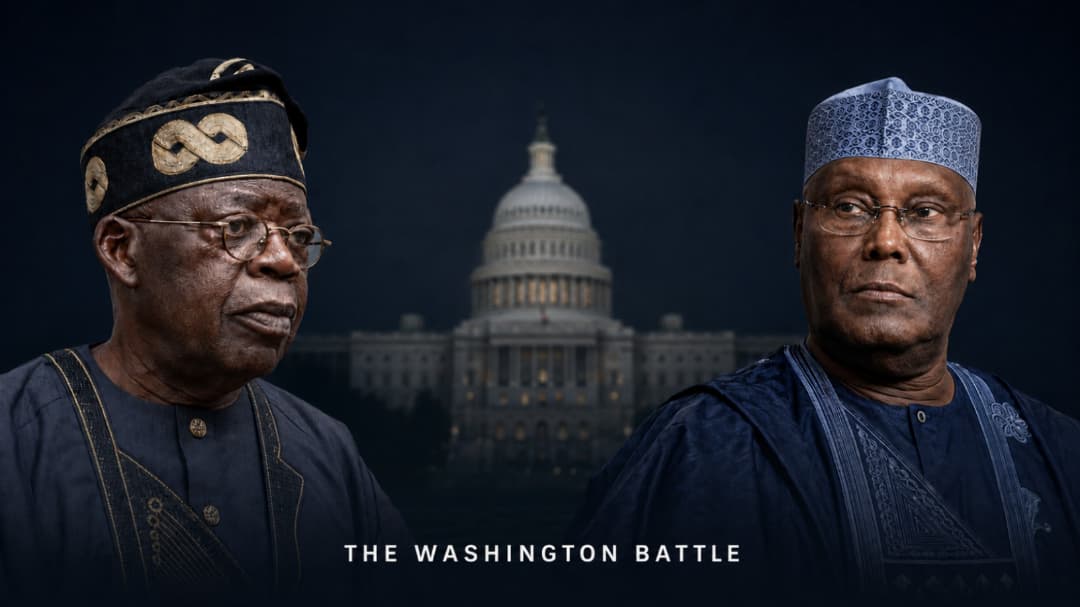
Nigeria's 2027 presidential election is still months away, but part of the contest is already being fought thousands of kilometres from where Nigerians will vote.
This time, the battlefield is Washington.
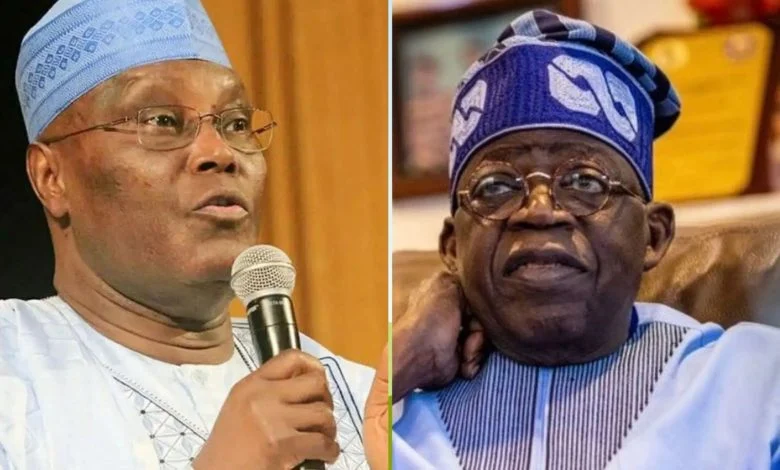
On July 21, 2026, a US lobbying firm retained by former Vice President Atiku Abubakar disclosed that it had beguncirculating historical United States Department of Justice records concerning President Bola Tinubu to officials in the Trump administration, members of Congress and congressional staff.
Von Batten-Montague-York, L.C. said it shared more than 60 pages of documents after discussions with American officials. The firm was reportedly retained in March under a 12-month contract worth $1.2 million to represent Atiku's interests in the United States.
The Presidency responded two days later.
In a statement issued by presidential spokesman Bayo Onanuga, it accused Atiku of taking a Nigerian political fight abroad and undermining the country's sovereignty. It also revived allegations against the former vice president andsaid that if he were Chinese, he would be in prison for his alleged offences.
Atiku replied on July 25 through his spokesperson, Phrank Shaibu. He said the China comparison had backfired because China also imposes severe penalties for serious drug offences. He accused the Presidency of avoiding questions about Tinubu's past and resorting to personal attacks.
Atiku wants American officials looking at Tinubu's past. The Presidency wants Washington looking at the government's present relationship with the United States.
What did the US case establish?
At the centre of the dispute is a 1993 civil forfeiture case involving money held in US bank accounts associated with Tinubu.
American authorities alleged that the funds were connected to proceeds from narcotics trafficking or money laundering.
The case ended in a civil settlement under which $460,000 was forfeited to the US government.
Tinubu was not criminally convicted in the proceeding, and the settlement was not a judicial finding that he was personally guilty of drug trafficking.
But it would also be misleading to dismiss the matter as an allegation with no legal consequence. The money was forfeited.
The records are not new to Nigerian politics.
Questions about the case featured in disputes over Tinubu's eligibility during the 2023 election, when opposition parties challenged his qualification to contest. The courts rejected those challenges.
What has changed is the audience. Records Nigerians have argued over for years are now being presented directly to officials in the current American administration.
For us, the important thing is to look at what the documents actually establish, rather than simply accepting the interpretation that either political camp finds useful.

Can the Presidency's sovereignty argument hold?
The Presidency's position is complicated by the federal government's own activities in Washington.
Nigeria reportedly engaged US firm DCI Group underan initial six-month agreement worth $4.5 million to explain the government's response to violence against Christian communities and maintain American support in the fight against armed groups.
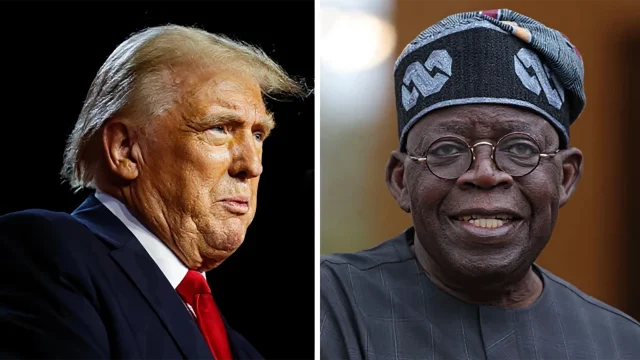
The Presidency released a July 6 letter in which Trump praised Tinubu's leadership and his resolve to address violence affecting Christian communities.
The letter did not mention the forfeiture case or endorse Tinubu for the 2027 election. But its release allowed the Presidency to highlight its relationship with Washington as Atiku's representatives drew attention to Tinubu's past.
The government may argue that defending Nigeria's security record is different from raising allegations against a sitting president. And, in fairness, the objectives are different.
But both sides are paying professionals to shape how American officials understand Nigeria. If that method is legitimate when the government wants to defend its reputation, it cannot automatically become an attack on Nigeria when used by an opposition politician.
That does not excuse Atiku's approach. Its timing, cost and political purpose remain open to scrutiny, especially with another presidential election approaching.
When does lobbying go too far?
Atiku's current effort is also not the first time Nigerian politicians have looked to Washington for political advantage. Before the 2019 election, his party engaged US lobbyists, including a firm linked to Donald Trump, during efforts connected to his return to the United States after years of controversy over his visa status.
The current Washington push goes further by placing records concerning a sitting Nigerian president before American officials. Atiku's firm has also warned that it could recommend sanctions against politicians and electoral officials involved in violence or election manipulation.
The United States can impose visa restrictions and targeted sanctions, influence security cooperation and affect how Nigeria is viewed by investors and international institutions.
But American attention cannot settle the questions Nigerian institutions have failed to resolve.
Washington can provide political leverage but cannot build Nigeria's democracy for us.