Visa Rules & Travel Fallout: What New U.S. Restrictions Mean for Nigerians Abroad
Starting January 2026, the U.S. will partially suspend visa issuance for Nigerian nationals. This article explains the policy, exemptions, and the potential impacts on travel, education, and migration.
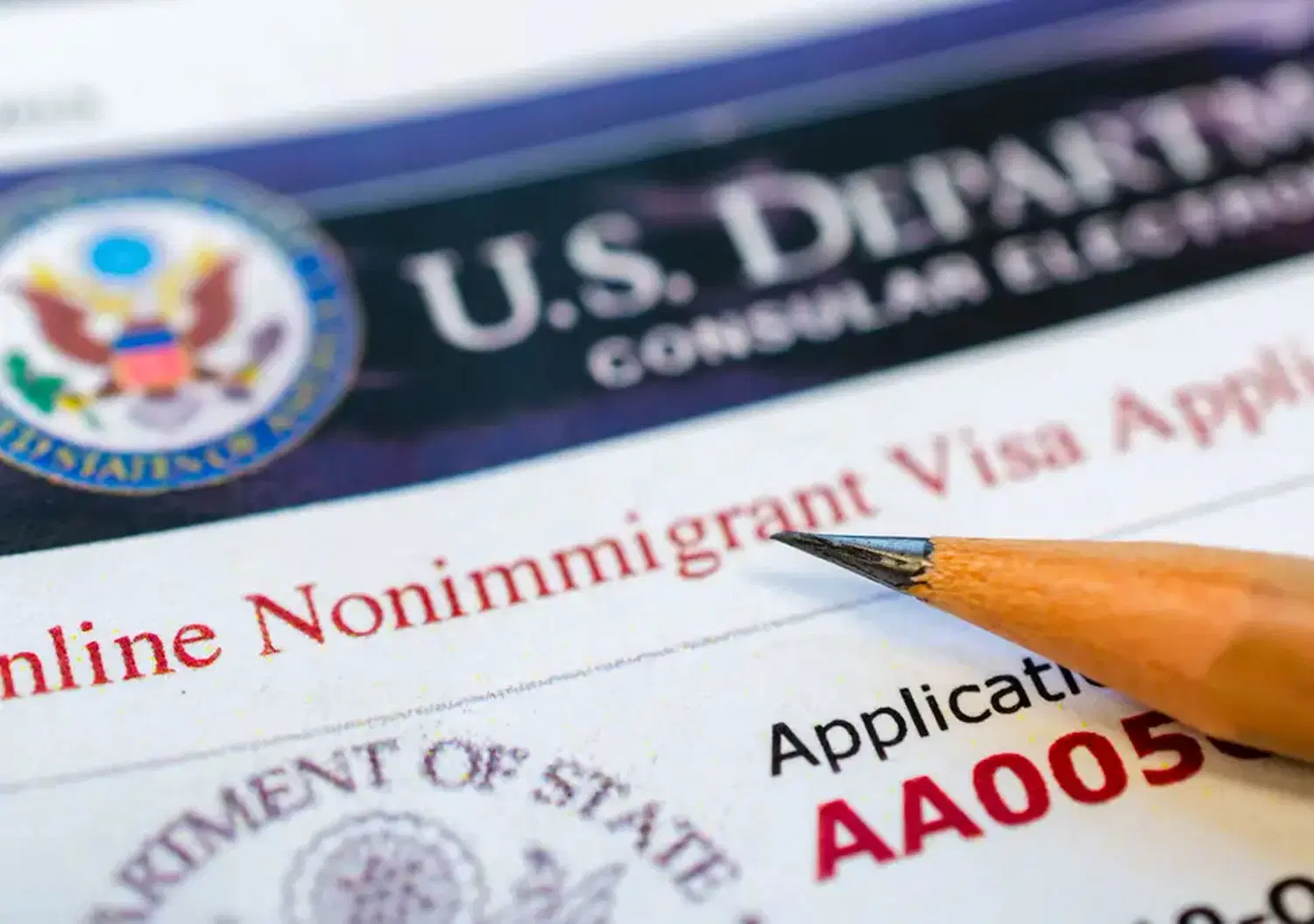
As the new year approaches, Nigerians planning to travel to the United States face a fresh set of challenges. On January 1, 2026, the U.S. will implement a partial suspension of visa issuance for citizens of Nigeria and 18 other countries. The policy, announced by the U.S. Embassy in Nigeria, is based on Presidential Proclamation 10998, which seeks to “restrict and limit the entry of foreign nationals to protect the security of the United States.”
The suspension affects nonimmigrant B-1/B-2 visitor visas, student and exchange visas (F, M, J), and all immigrant visas, though several exemptions exist. Nigerians who already hold valid visas on the effective date will not be affected, and certain groups, including Lawful Permanent Residents, dual nationals with passports from unaffected countries, participants in major sporting events, and Special Immigrant Visa holders, remain exempt.
For many Nigerians, this announcement brings anxiety and uncertainty. Students planning to study abroad, professionals attending conferences, and families hoping to visit relatives now face the possibility of delays, additional scrutiny, or outright denials.
Conversations about travel plans have shifted from excitement to concern. Parents, students, and businesspeople are already recalculating schedules, seeking clarity on exemptions, and wondering how this will affect long-term plans.
The U.S. government emphasizes that applicants who fall under the proclamation may still submit visa applications, but eligibility is no longer guaranteed. Interviews can still be scheduled, but many applicants might be found ineligible for issuance or admission, depending on individual circumstances.
What Exactly Is Changing?
The heart of the policy is about visa issuance, not necessarily travel bans. Africans, including Nigerians, will still be able to apply for visas and attend interviews. But under the new proclamation, many applicants may not be issued visas even after the process, especially if U.S. officials determine they don’t meet updated eligibility criteria.
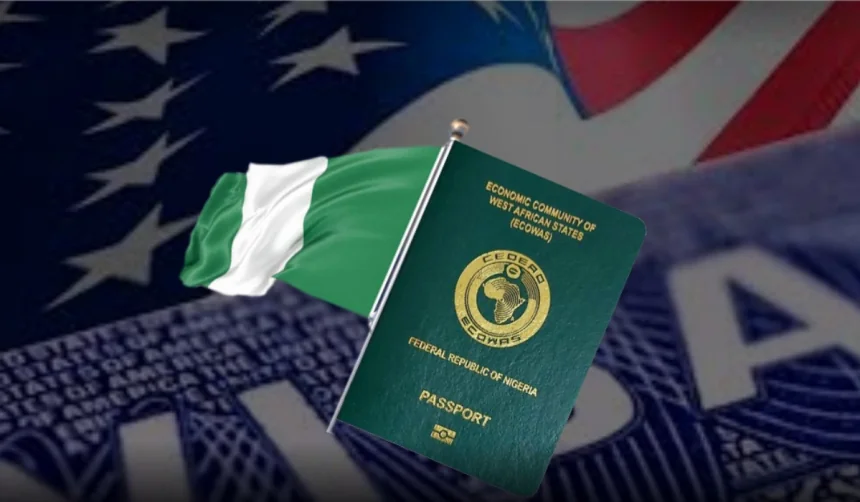
There are important exemptions, and these are crucial for many:
Nigerians who already hold valid U.S. visas as of January 1, 2026, will not lose them, and can continue to travel under their current conditions.
Lawful Permanent Residents (green card holders) remain unaffected.
Dual nationals using a passport from a country not subject to the suspension are also exempt.
Holders of Special Immigrant Visas and certain event participants (like athletes) are protected under the new policy.
This mixture of restrictions and exceptions has left many Nigerians trying to understand what is permitted and what is not, often with more questions than answers.
From a broader perspective, Nigeria is not alone in this restriction. Other African nations affected include Angola, Benin, Côte d’Ivoire, Gabon, The Gambia, Senegal, Tanzania, Togo, Zambia, Zimbabwe, and several more. The policy reflects a shift in U.S. immigration priorities, focusing on national security and compliance issues rather than a blanket travel ban.
Experts in migration and international policy suggest that while the proclamation is security‑driven, its ripple effects could be felt across education, business, and tourism sectors, with analysts warning that fewer visas and tighter screening may reduce student enrollment and international travel.
Nigerian students may need to consider alternative destinations for higher education, while entrepreneurs and small businesses could face setbacks in accessing international markets, networking opportunities, and investment forums. Travel agencies and visa consultants are already reporting a surge in inquiries as clients seek advice on navigating the new rules.
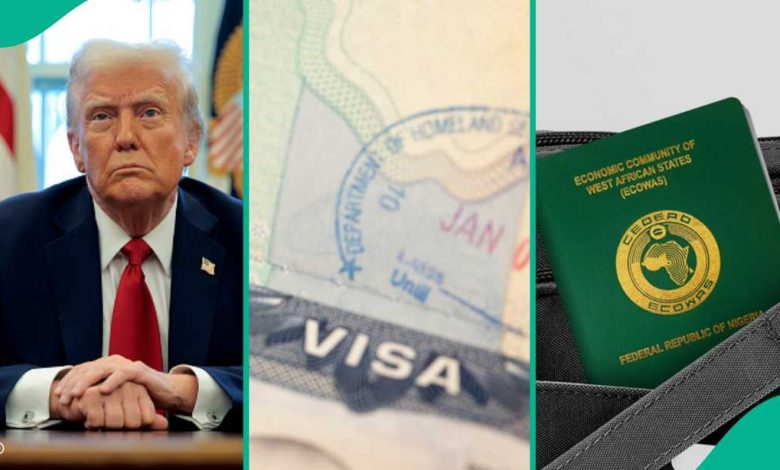
Despite the challenges, the policy contains important safeguards. Valid visa holders are not affected, and exempt categories ensure that vulnerable populations, including certain minorities and special immigrant visa applicants, are protected. This nuance prevents the policy from becoming a total barrier to U.S. travel, while still reinforcing the U.S. government’s focus on security and compliance.
In everyday terms, the policy means planning travel to the U.S. will require more preparation. Individuals may need to submit documents earlier, verify eligibility, and allow for delays. Families wishing to visit loved ones will need to check visa status carefully, and students planning to study abroad might have to coordinate with universities and consulates to ensure they meet the new requirements.

The stakes are high: travel, education, and international collaboration have long been a part of Nigeria’s global engagement, and any disruption can have both personal and economic consequences.
The policy is likely to remain in effect until reviewed or rescinded by the U.S. government. Nigerians planning to travel must stay informed, verify their visa status, and explore exemptions where applicable.
In the meantime, the proclamation serves as a reminder of the complexities of international mobility, the interplay between national security and personal opportunity, and the importance of careful preparation in an increasingly interconnected world.
For now, the message is clear: visas are no longer automatic, and every traveler, student, and professional must navigate this evolving landscape with care. As January 1 approaches, Nigerians will watch closely, adjusting plans and hoping that international mobility, a key part of personal and national development, remains achievable.