Urgent Travel Alert: Namibia Issues Malaria Outbreak Warning for Travelers
Namibia is experiencing a significant malaria outbreak in its northern and north-eastern regions in early 2026, with cases sharply increasing and affecting popular safari destinations like Etosha National Park and the Zambezi Region. Travellers are advised to consult healthcare professionals for malaria prophylaxis and adhere to strict preventive measures, including insect repellent use and protective clothing, to ensure a safe trip.
Namibia's Ministry of Health and Social Services has declared a malaria outbreak in early 2026, primarily affecting the northern and north-eastern parts of the country.
This alert follows a significant surge in malaria cases, raising serious concerns for both local inhabitants and international visitors, particularly those planning safari trips to these popular tourist regions. Understanding the current health landscape and implementing robust preventive measures is crucial for safe travel.
The severity of the current outbreak is starkly evident in the statisticsreleased for the first four weeks of 2026. Namibia recorded a staggering 8,760 malaria cases, which led to 604 hospitalisations and 11 deaths. This represents a dramatic 68% increase in cases when compared to the corresponding period in 2025, indicating a rapid escalation of the disease.
The outbreak has pushed 20 health districts beyond their epidemic thresholds, and authorities caution that these numbers are likely to climb further as the rainy season, which typically spans from December to May, continues.
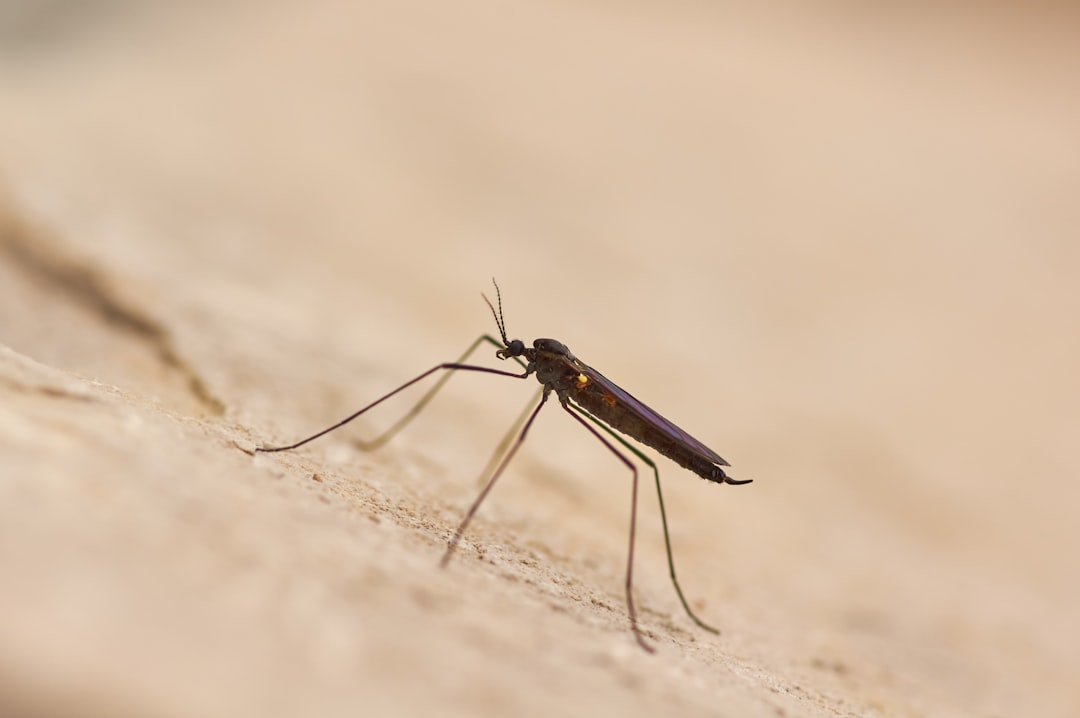
This surge is primarily attributed to heavy seasonal rainfall, creating optimal breeding grounds for mosquitoes, compounded by cross-border transmission from neighboring countries such as Angola and Zambia.
This comes shortly after Namibia had declared an end to a major malaria outbreak in August 2025, highlighting the cyclical nature and rapid resurgence potential of the disease during conducive environmental conditions.
The regions most significantly impacted by this malaria surge are concentrated in northern and north-eastern Namibia, areas historically recognized for high malaria risk during the rainy season.
These include: Zambezi (historically known as the Caprivi Strip), which reports the highest case numbers; Kavango East and Kavango West; Ohangwena, Oshikoto, Oshana, and Omusati; and Kunene and Otjozondjupa.
Many of these regions are integral to Namibia's tourism industry, with destinations such as the Zambezi Region and Etosha National Park being particularly popular among safari enthusiasts. The outbreak therefore poses a critical concern for the safety and planning of safari travellers.
For individuals intending to visit northern Namibia, the outbreak has prompted a return to stringent malaria prevention guidelines. While discussions around the necessity of malaria prophylaxis for regions like Etosha National Park might arise during low-risk years, the current epidemic situation unequivocally demands proactive preventive actions.
Key safari destinations directly impacted and requiring heightened caution include Etosha National Park, the Zambezi Region/Caprivi, Waterberg Plateau, and northern Namibia in general. Travellers are strongly advised to seek professional medical advice from healthcare professionals regarding appropriate malaria prophylaxis tailored to the region and their travel itinerary, in addition to adhering to general preventive measures.
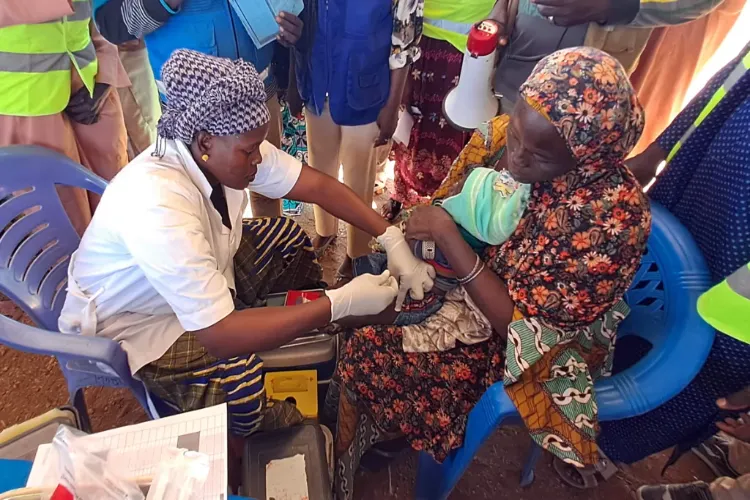
In response to the escalating crisis, Namibia’s Ministry of Health has initiated a multi-faceted approach to mitigate the outbreak. These measures encompass comprehensive indoor residual spraying programmes aimed at reducing mosquito populations within residential areas, widespread distribution of insecticide-treated mosquito nets to provide personal protection, and public awareness campaigns designed to educate the populace on early treatment and effective prevention strategies.
Despite these efforts, challenges persist, with reports suggesting that inconsistencies and gaps in the execution of control measures, such as the spraying campaigns, may have inadvertently contributed to the rapid spread and severity of the current outbreak.
To ensure a safe and enjoyable journey, visitors planning travel to northern Namibia, especially during the high-risk period of December to May, must prioritize personal precautions. Prior to departure, it is crucial to consult a specialized travel clinic to determine the most suitable malaria prophylaxis for the region and to pack an effective insect repellent containing active ingredients like DEET or Icaridin.
During the trip, travellers should adopt protective habits such as wearing long-sleeved shirts and trousers during dusk and dawn, when mosquito activity is highest. Sleeping under an insecticide-treated mosquito net is highly recommended, and consistent application of insect repellent every evening is essential.
Crucially, if any symptoms such as fever develop, prompt medical attention must be sought immediately. By diligently following these guidelines, travellers can significantly minimize their risk of contracting malaria while experiencing the breathtaking landscapes and rich wildlife that Namibia offers.