Unshakable Devotion: Can Anyone Be More Loyal Than a Football Fan?
Football fans bet, argue, starve, and still return every weekend. Is there any loyalty more stubborn than football devotion?
If loyalty had a mascot, it would be a dog. Dogs stay loyal even when they are ignored, disappointed, or taken for granted. Football fans, somehow, have learned the same skill. A club can lose for years, drain your money, embarrass you publicly, and still enjoy your full support. At least dogs are rewarded with treats. Football fans survive on hope.
I remember someone told me he fainted and was quickly rushed to the hospital that year, because his team lost. Surprisingly hard to believe right? But yes, that was exactly what happened.
There are many kinds of loyalty in the world. Loyalty to family. Loyalty to the country. Loyalty to faith. And then there is the kind of loyalty that makes a grown adult wear the same “lucky” jersey for ten years, refuse to eat after a loss, and argue with strangers online until 2 a.m. over a referee’s decision that happened in 2014.
That kind of loyalty belongs to football fans.
Football loyalty is not casual. It is not polite. It is not always logical. And it certainly is not safe for mental health, blood pressure, or savings. Yet millions of people across the world wake up every weekend ready to suffer again, willingly.
At this point, it is fair to ask: can anyone, anywhere, be more loyal than a football fan?
Loyalty That Defies Common Sense
A football fan does not abandon their club because of bad performance. In fact, poor performance seems to deepen the attachment. While normal people leave things that bring pain, football fans stay and demand more pain, just in a different formation.
Fans will follow a club through decades of disappointment with the kind of commitment usually reserved for long marriages and inherited land. Some clubs have not won major trophies in years, yet their supporters defend them with the passion of lawyers arguing a Supreme Court case.
They know the statistics. They know the history. They know the heartbreak is coming. And yet, they still show up.
It is the only relationship where people openly admit, “This thing hurts me every year,” and still refuse to leave.
Psychologists have tried to explain this attachment through concepts like identity and belonging, often discussed in studies on sports fandom and social behaviour, including those referenced by organizations like FIFA and its work on football culture and global fan communities. But honestly, even psychology struggles to keep up with the madness.
Betting Money They Don’t Have, Defending Players They Don’t Know
A special kind of loyalty reveals itself on matchday.
A football fan can confidently stake their last cash on a team that has disappointed them five games in a row. Not because the odds make sense, but because faith does not check form tables.
People have bet on rent money. Food money. Transport money. And when the bet fails, as it often does, the anger is not directed at themselves. It is directed at a defender who has never met them and does not know they exist.
Yet the same fan will defend that player online the next day.
“Give him time.”
“He had a bad game.”
“It’s the coach’s fault.”

The emotional gymnastics required to love a football club should qualify as a sport on its own.

Hunger Strikes, Silence, and Emotional Shutdowns
One of the clearest signs of football loyalty is how fans respond to defeat.
Some fans do not eat after their team loses. Not because food is unavailable, but because swallowing feels like betrayal. Others go completely silent, refusing to communicate properly with friends, partners, or colleagues, just because their mood is bad for the rest of the day.
Yet when their team wins, the same fans suddenly have energy, appetite, and opinions. The silence breaks. The memes come out. The voice notes get longer.
It is emotional whiplash, repeated weekly.
This behaviour is so common that it has become part of football culture itself, discussed widely in analyses of fan psychology and emotional investment in clubs. No one finds it strange anymore. It is simply understood: “His team lost. Leave him.”
Mockery as Love Language
Football fans insult each other in ways that would end friendships in any other context.
They mock clubs, players, stadiums, history, and even trophies from decades ago. A single loss can revive jokes that have been waiting patiently since 1998.
Yet this mockery is strangely affectionate.
Fans mock because they care. They remember details because they are invested. They hold grudges because football never truly moves on. Every season is a continuation of an argument that started years ago.
The self-mockery is even worse.
Fans know their club’s weaknesses. They joke about them first, as a defense mechanism. “We’re used to disappointment.” “This club will humble you.” “Hope is dangerous.”
Only someone deeply loyal jokes about their own heartbreak before anyone else can.
Inherited Allegiance, Chosen Suffering
Many football fans did not choose their clubs. The clubs were handed to them like family heirlooms.
A father supports a team. The child inherits it. By the time the child is old enough to question the decision, it is too late. The loyalty has settled into the bones.
Switching clubs is considered a moral failure. It is one of the few betrayals still universally condemned in football culture. People forgive losses, scandals, and even terrible owners—but they do not forgive fans who “switch sides.”
This sense of inherited identity is why football loyalty feels deeper than entertainment. It has become a tradition. Community. A shared language.
Football clubs, as cultural institutions, are often compared to social groups or even belief systems, a comparison explored in sociological discussions of football culture across continents. The club becomes “us,” and everything else becomes “them.”
Loving Something That Will Break Your Heart
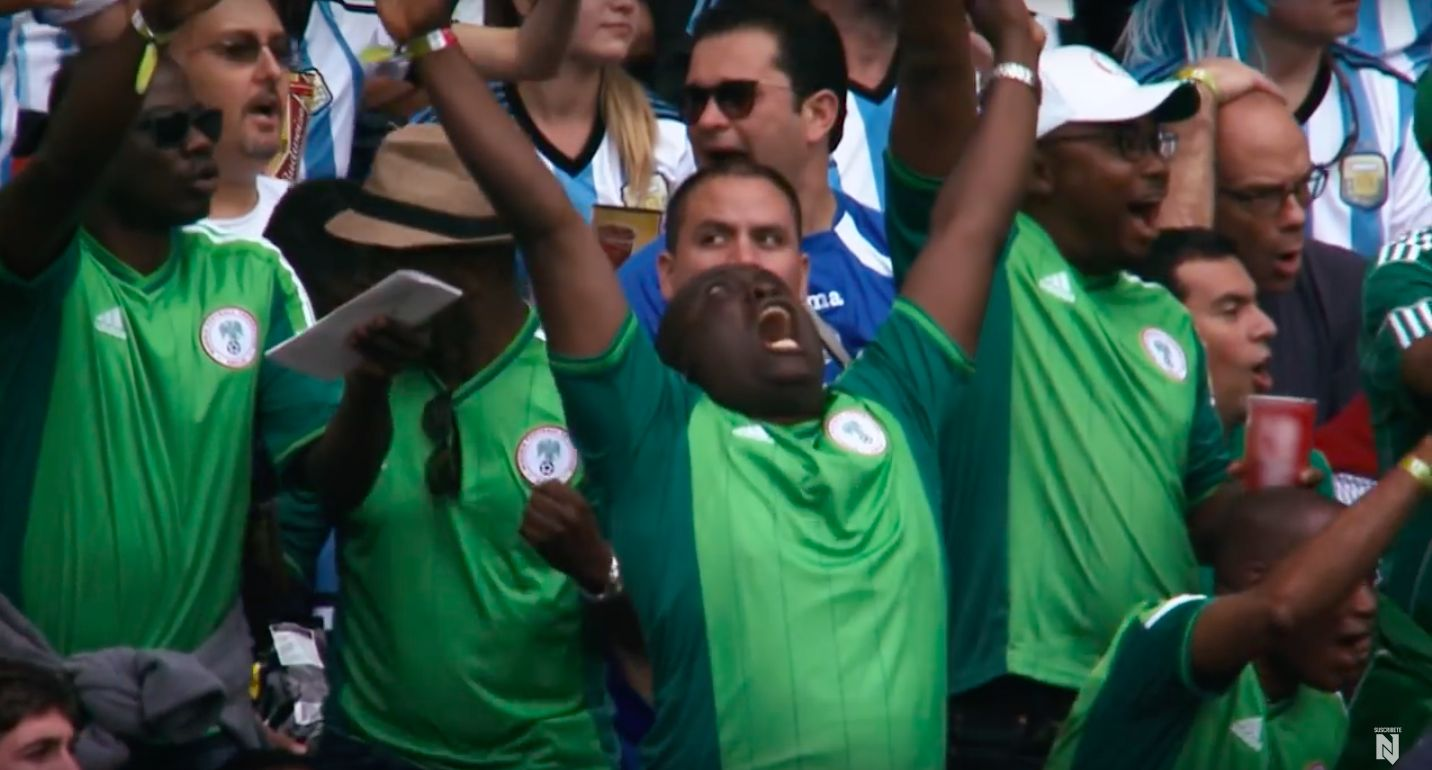
Perhaps the strongest argument for football fans being the most loyal people alive is this: they love something that repeatedly hurts them, and they do it publicly.
They know the pain is coming. They prepare for it. They joke about it. And still, when the whistle blows, hope sneaks in again.
That kind of loyalty is not rational. It is emotional. It is stubborn. It is deeply human.
Football fans stay when it would be easier to leave. They defend when it would be smarter to step back. They hope when logic says stop.
And when victory finally comes after years of waiting, it feels earned. Not because the fan did anything on the pitch, but because loyalty itself becomes labour.
So, Can Anyone Be More Loyal?
Can anyone be more loyal than a football fan?
Maybe parents. Maybe saints. Maybe people who stay calm in Nigerian traffic.
But in terms of voluntary, emotional, irrational loyalty, football fans are in a league of their own.
They show up every week.
They argue every season.
They suffer every year.
And they never, ever leave.
That is not just fandom.
That is devotion.