Unraveling the Iconic Origin of 'See You Later, Alligator'!
Discover the true origins of the iconic farewell phrase "See You Later, Alligator," often associated with Bill Haley's 1955 hit. This article delves into the phrase's surprising history, revealing its documented use long before the song and tracing its roots back to the fascinating world of rhyming slang.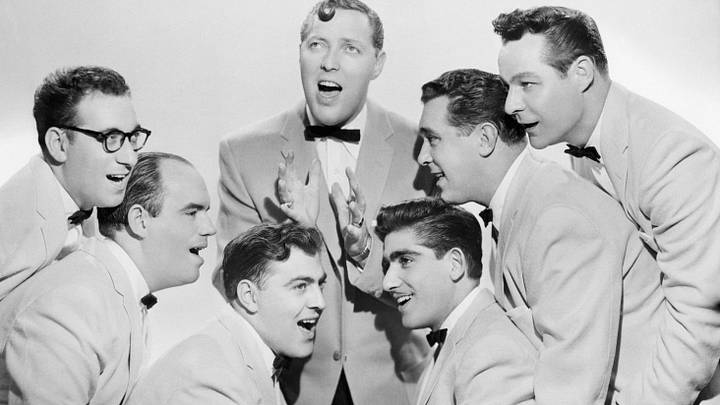
The iconic phrase "See You Later, Alligator" gained widespread popularity through Bill Haley and His Comets' 1955 recording of the 12-bar blues standard. Originally penned and recorded earlier that year by Louisiana singer-songwriter Bobby Charles, Haley's version was released in early 1956. While it didn't top the charts, it became Haley's third and final million-selling record in the U.S., cementing its place in popular culture. Its fame was further amplified when Haley performed the song in his 1956 musical film, "Rock Around the Clock," which itself became a global sensation, notably for reports of teenagers dancing in cinema aisles and causing disturbances.
Despite the song and film's immense success, it's a common misconception that Bill Haley's rendition was responsible for coining "see you later, alligator" as a colloquial farewell. In reality, the opposite is true: the song merely helped to widely circulate and popularize a phrase that was already well-established by the time of its release. Etymological research reveals that the phrase predates the song by at least a decade.
The Oxford English Dictionary (OED) records the phrase's earliest known appearance just a year before Haley's song, in a 1954 Nevada newspaper article explaining "see you later, alligator" as "meaning goodbye" within a guide to contemporary slang. Further investigation by linguist and etymologist Pascal Tréguer unearthed an even earlier mention from a Hawaiian newspaper in 1952, where it was listed as an example of "the everyday 'slang' many high school students use." However, the earliest documented use identified so far dates back to December 1945, in an article from the Lincoln Heights Bulletin in Los Angeles, California. This article, titled "JINGLE BELLS!! JINGLE BELLS!!" casually used "See you later alligators!!" as a jokey sign-off, without needing to explain its meaning, strongly suggesting its familiarity to the readership by the mid-1940s.
Given its established use a decade before Haley's song, the most plausible theory regarding the phrase's origin points to a linguistic phenomenon known as rhyming slang. This faddish way of speaking is thought to have originated in London during the mid-1800s, replacing common words with catchy rhyming equivalents—such as "apples and pears" for stairs, "trouble and strife" for wife, and "Adam and Eve" for to believe. Rhyming slang later spread to Australia during the British transportation era, where it also gained significant traction and remains recognizable today.
In the 20th century, a wave of postwar Australian immigration is believed to have introduced this linguistic technique to the western United States. It's likely that "See you later, alligator" was either directly imported from Australia or, more probably, coined in the U.S. around this period. While rhyming slang itself didn't maintain a long-term foothold in America, it enjoyed a brief but significant fad, especially among students and teenagers, allowing a select few phrases to become embedded in common parlance. Alongside "See you later, alligator" and its well-known retort "In a while, crocodile," other examples from this era include "Do you know what I mean, jellybean?", "Don't get tough, powder puff," and "What's buzzin', cousin?".