Gaming's Ghastly Heroes: A Playable Zombie History Unveiled
"Stupid Never Dies," a new action game from GPTRACK50 and producer Hiroyuki Kobayashi, attempts to redefine playing as a zombie. Despite an energetic premise of an undead hero on a multiverse quest, the game is criticized for its overly wacky tone and an overwhelming, unrewarding gameplay system. It ironically fails to make playing as a zombie feel fun or even zombie-like.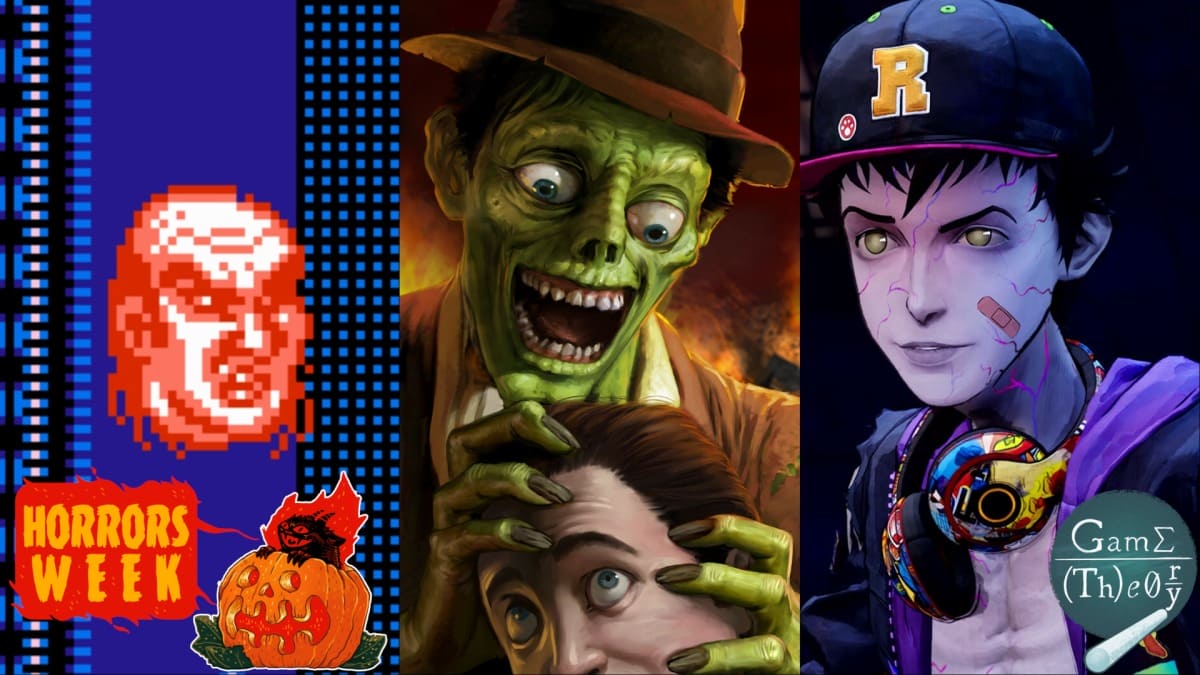
Zombies, in the realm of video games, have long been relegated to the role of perpetually disrespected cannon fodder. Characterized by their lumbering gait, shuffling movements, and a propensity for enduring various indignities—from traffic cones adorning their heads to being tethered on literal leashes—they frequently serve as the initial adversaries a protagonist dispatches. These hapless grunts are typically slow, unintelligent, and only pose a significant threat when coalesced into an accidental horde, making their "unlife" seem rather unfortunate. This prevalent depiction raises a fundamental question: Has any video game truly captured the essence or made playing as a zombie genuinely enjoyable?
This query is particularly pertinent with the advent of "Stupid Never Dies," an action game marking the inaugural effort from GPTRACK50, a new studio founded by veteran Capcom producer Hiroyuki Kobayashi. Kobayashi’s distinguished career includes contributions to horror-adjacent titles like "Dino Crisis," which famously explored whether velociraptors could match the terror of zombies, and several installments in the iconic "Resident Evil" series. Given his background, there was an expectation that "Stupid Never Dies" might offer a fresh perspective on the undead experience.
Regrettably, the initial hours of "Stupid Never Dies" do not live up to this potential. While the game's script, centered on a hapless undead character named Davy who embarks on an absurd multiverse journey to resurrect a girl he developed a "love at first glimpse of her frozen corpse" connection with, is undeniably energetic, its tone is often criticized. It adopts a high-volume, "Isn't this all so wonderfully wacky?!" sensibility, reminiscent of designers known for perpetually exhausting players with over-the-top antics, such as Suda51. For instance, players initiate levels by flushing themselves down a sci-fi toilet, a mechanic that epitomizes this quirky approach.
Beyond its narrative style, "Stupid Never Dies" suffers ironically from an overwhelming abundance of gameplay ideas. This glut causes the game's metaphorical structure to distend, much like an overfed zombie. The core concept—of undertaking repeated roguelike runs where players utilize Davy’s omnivorous abilities to transform into other monstrous forms like a Werewolf or Harpy—is fundamentally solid. However, this promising premise is undermined by an upgrade system that quickly reveals itself to be overly granular and unengaging. Players are presented with upgrades offering negligible benefits, such as a "five-percent increase to attack damage done with a left-handed claw hammer on a Tuesday," which feels more like statistical noise than meaningful progression.
Compounding these issues, the resultant gameplay, despite its system overload, never truly feels "zombie-esque" or particularly fun. Players are incentivized to spend as little time as possible in Davy's default zombie form, primarily because his abilities in this state are limited to merely swiping at enemies and puking. This design choice, where the titular undead protagonist's default form is actively avoided, makes it challenging to imagine "Stupid Never Dies" as the game that finally satisfies a player's secret undead dreams or offers a respectful portrayal of the zombie archetype.