Ukraine War Fallout: Moldova Suffers Water Cut Amidst Russian Strike Accusations

Moldova is currently grappling with a severe environmental crisis as oil pollution, blamed on a recent Russian attack in Ukraine, has rendered water supplies unsafe for consumption in the northern city of Balti and surrounding areas. Officials have confirmed that an oil spill originating from a Russian strike on the Dniester hydroelectric plant on March 7 led to the appearance of oil slicks on the vital Dniester River three days later. This river serves as a crucial water source for much of Moldova and Ukraine's Odesa region.
In response to the escalating crisis, Moldova's authorities imposed a 15-day state of alert across the Dniester river basin. The Moldovan Foreign Ministry summoned Russia's ambassador, Oleg Ozerov, in protest, presenting him with a bottle of cloudy water from the polluted river. Ambassador Ozerov reportedly declined to comment to reporters following the meeting, according to Moldovan media.
Environment Minister Gheorghe Hajder stated that water supplies would only be reinstated once oil levels in the river drop to the recommended limit of 0.1mg per litre. He noted that readings on Monday night were excessively high for northern regions, including Balti, Moldova's third-largest city. Further analysis on Tuesday was expected to indicate whether or not the water could be pumped back into the pipes. Beyond Balti, three other northern towns have also been affected by the widespread water crisis.
The pollution's impact extends beyond Moldova's borders, with Ukrainian Deputy Minister Iryna Ovcharenko reporting contamination in Ukraine's Chernivtsi, Vinnytsya, and Odesa regions. Earlier, Minister Hajder had received assurances from Ukrainian officials that the source of the oil pollution had been successfully contained. Locally, schools in the Balti area have shifted to online learning, and authorities are actively delivering tankers of drinkable water to the affected population.
The incident has also intensified political tensions. Moldova's pro-European President, Maia Sandu, a vocal supporter of Ukraine since Russia's full-scale invasion in February 2022, has explicitly stated that Russia "bears full responsibility" for the oil pollution. Sandu, who secured a second presidential term in 2024 despite what the EU termed "unprecedented interference by Russia," has long been accused by Russia of being "Russiaphobic."
Adding another layer of complexity, Moldova, with a population of 2.4 million, hosts a Russian military base in the breakaway region of Transnistria, which borders Ukraine. Local television reports indicate that oil has been observed in Transnistria; however, officials there do not anticipate needing to impose drinking water restrictions. Concurrently, Moldovan police have reported that an "active" Russian drone, armed with an "explosive device," landed approximately 500 meters (1640 feet) inside the Ukraine-Moldova border in the village of Tudora, further highlighting the precarious regional security situation.
You may also like...
Uber Is Giving Ghanaian Drivers Loans, But Is That the Help They Actually Need?

Uber has partnered with Fido to offer Ghanaian drivers instant loans of up to $920 with no collateral. It is a welcome d...
Your Degree Is Not Useless — You're Just Using It Wrong

Your degree isn’t useless — you’re just using it wrong. Here’s how to translate what you studied into real, marketable o...
SHE100: Lindiwe Mazibuko—The Woman Born to Use Her Voice

She was South Africa's first black woman to lead a parliamentary opposition, at thirty-one. She faced insults, racial at...
She100: Morenike Fajemisin — Designing Care for People Who Would Rather Stay Silent

Morenike Fajemisin is reshaping access to sexual and reproductive healthcare through Whispa, a platform built to elimina...
SHE100: Trailblazers of Enterprise — The Story of Fatoumata Ba

Celebrating Fatoumata Ba, a Senegalese entrepreneur who played a key role in building Jumia Senegal and advancing th...
NBA Shocker! Giannis Antetokounmpo Sidelined with Knee Injury
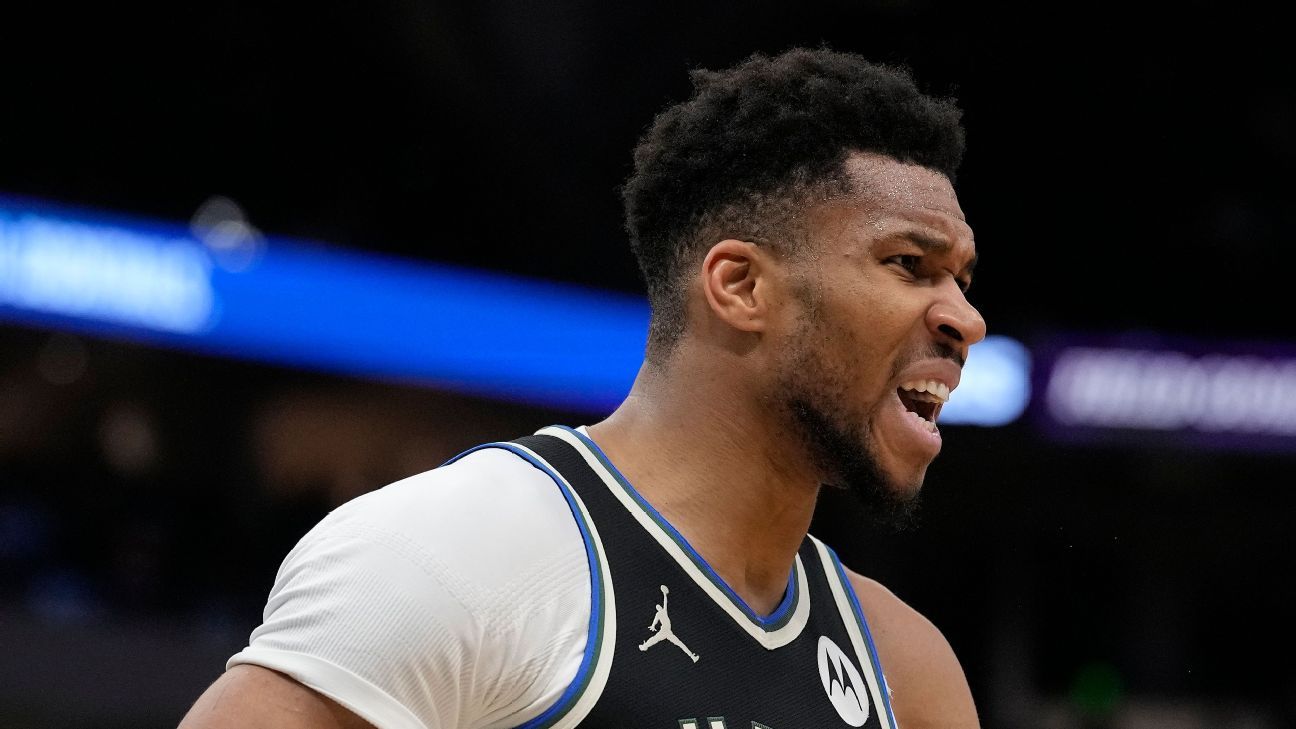
Milwaukee Bucks star Giannis Antetokounmpo has been diagnosed with a hyperextended left knee and bone bruise, though ima...
Champions League Drama: Real Madrid Strikes Blow to Guardiola's Legacy

Real Madrid advanced to the Champions League quarterfinals by defeating Manchester City 5-1 on aggregate, marking their ...
Asian Cinema Takes Center Stage: Thailand, Taiwan, Malaysia Showcase New Films at Hong Kong FilMart

Hong Kong FilMart is showcasing diverse Asian cinematic talent, with Abnormal Studios debuting a slate including a Wong ...