UAE Joins Australia and the UK in Tightening Teen Social Media Rules — What's Driving the Global Shift?
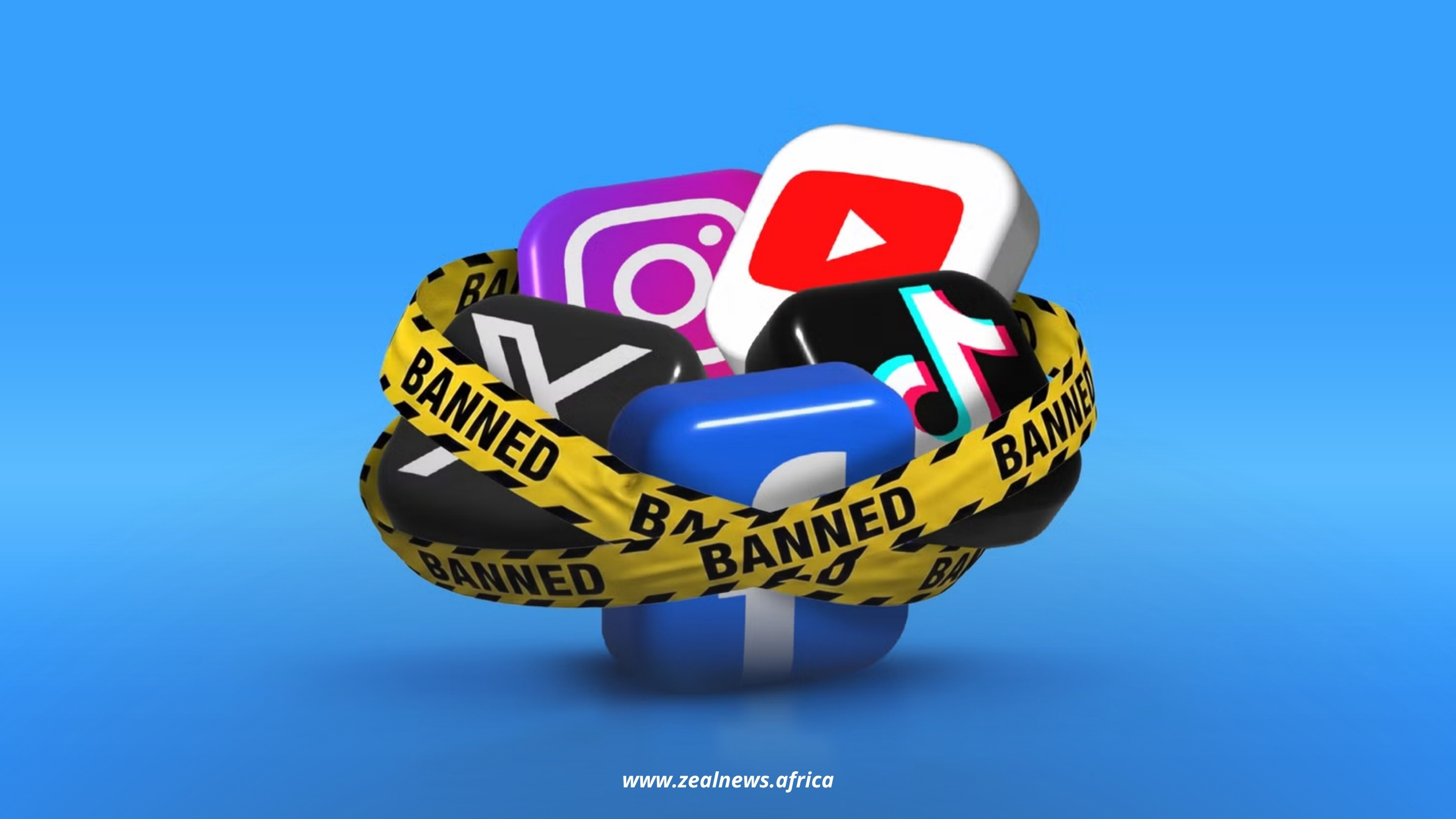
UAE joins Australia and the UK in banning teens from social media — here is what the science says, how enforcement actually works, and what Africa should consider before following suit.
When a British teenager was asked in an interview at her school what she planned to do with her hours once the social media ban took effect, she stared at the camera and said: "Stare at a wall." The clip went viral, which is ironic.
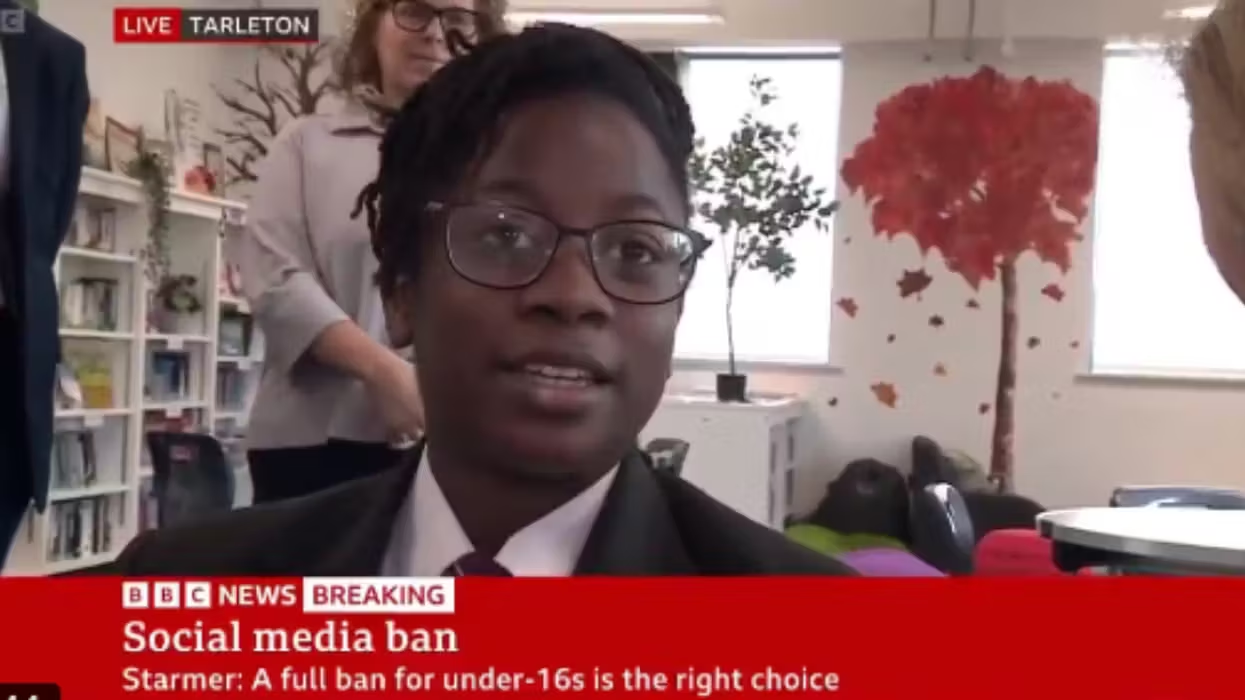
However, underneath the humour is something governments across three continents are treating with the urgency of a public health emergency.
On June 15, UK Prime Minister, Keir Starmer, announced that Britain would ban children under 16 from social media platforms including Snapchat, TikTok, and YouTube, arguing that these platforms are "designed to be addictive" and are "making children unhappy."
Three days later, the UAE moved too and this time, lower. Under a cabinet resolution approved on June 18, the UAE became the first Arab country to set a minimum social media age at 15, prohibiting children below that threshold from creating, using or operating personal social media accounts. It blocked access to posting, commenting, sharing and joining public groups.
The big players are falling in line and Australia is in front of that queue.
Why Governments Are Banning Teen Social Media Access
The stated rationale, across every jurisdiction, is the concerns over mental health, cyberbullying, lack of physical activity, online predator and addictive behaviour. These concerns are pushing policymakers to act.
Outside of these, the scientific research regarding social media consumption has also grown harder to dismiss.
Research shows that short video consumption repeatedly activates the brain's reward circuit, causing dopamine dysregulation, reduced sustained attention, increased impulsivity and altered sleep patterns. These effects collectively result in the impairing cognitive control in adolescents.
The adolescent brain is in a critical developmental window, and high levels of social media use have been associated with variations in the developmental trajectory of cerebellar volume, while increased screen time has been linked to disruptions in neuropsychological development and heightened risk of sleep disorders and psychiatric conditions.
The danger is not just psychological. Digital platforms introduce significant risks including compulsive social media use, cyberbullying, unrealistic beauty standards and exposure to substance-related content. For teenagers whose identity formation is still in progress, prolonged exposure to algorithmic content that ranks engagement over accuracy creates an environment with no adult equivalent.
The UAE's resolution acknowledges this explicitly. It was issued in light of the expansion of children's use of social media platforms and the associated increasing digital challenges and risks, including exposure to inappropriate content, framed under the UAE's declaration of 2026 as the "Year of the Family."
How the Bans Actually Work and What Makes the UAE's Different
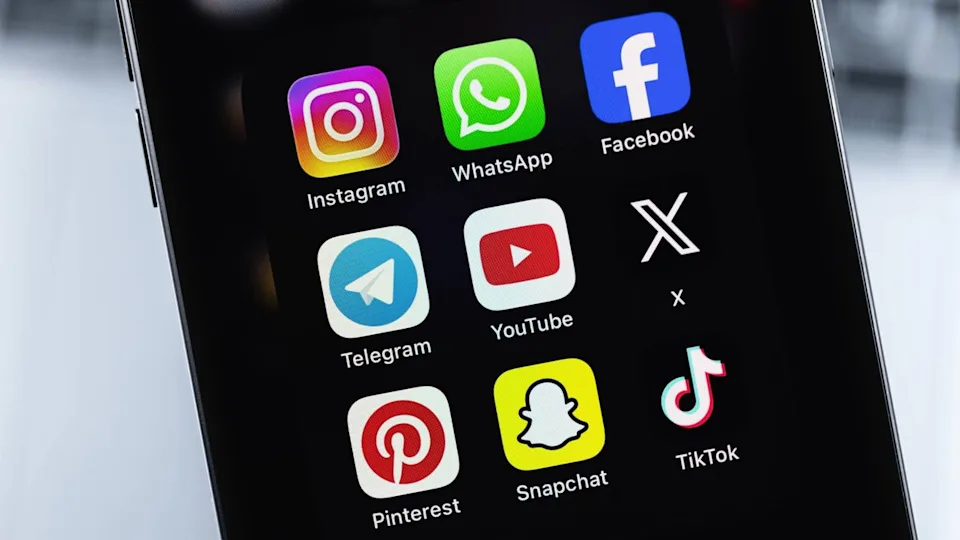
Australia's model, which has become the template others are borrowing from, places legal liability on platforms rather than parents. Facebook, Instagram, Snapchat, Threads, TikTok, X, YouTube, Reddit, and livestreaming service Kick face fines of up to 50 million Australian dollars for systemic failures to prevent children younger than 16 from holding accounts.
The UAE's resolution goes further in this direction. Teenagers aged 15 and 16 are permitted to use social media subject to enhanced protective measures, including age-appropriate content filters, disabling high-risk features such as interaction with unknown users, regulation of screen time and parental control tools.
Social media platforms operating in the UAE have a 12-month transition period to comply or risk being blocked.
The UK's ban, announced just three days before the UAE's, is still in its regulatory design phase. The first set of regulations will be presented to parliament before the end of the year, with changes expected to be implemented in Spring 2027.
The UK is also exploring additional measures including overnight curfews for social media use and mandatory breaks in infinite scrolling feeds for users under 18.
What Australia's Six Months Actually Show
Australia has the longest track record and the clearest data so far. A month after the ban took effect in December 2025, social media companies had collectively deactivated approximately 4.7 million accounts held by under-16s, prompting Prime Minister Anthony Albanese to declare: "Today, we can announce that this is working."
However, the ground-level picture is more complicated. The ban's enforcement was wildly inconsistent.

Some kids lost access immediately, others reportedly never noticed a change, and a few got caught in the system by mistake. For the kids who did get locked out, workarounds surfaced almost immediately.
The eSafety regulator raised significant concerns about five major platforms — Facebook, Instagram, Snapchat, TikTok, and YouTube — and started formal investigations, noting that "many children aged under 16 still have their accounts or can create new accounts."
Account deactivation is not the same as cultural change. The ban is working at the macro level and leaking at the micro level, which is exactly what critics predicted.
What a Ban Can and Cannot Fix
The deeper tension in all three jurisdictions is that bans address access without addressing the underlying design of addictive platforms. Critics warn that restrictions could push young users to darker digital spaces where monitoring is difficult, leading to a displacement of risk rather than its elimination.
There is also the equity problem. In the UK, organizations including the Molly Rose Foundation cautioned that a blanket ban could leave disabled and LGBTQIA+ young people more isolated and cut off from support communities they cannot access offline.
The same concern applies exponentially in contexts with fewer offline safety nets.
Should African Nations Follow?
The question for African policymakers is not whether the evidence justifies intervention — it does. It is whether the institutional architecture to enforce such bans meaningfully exists.
Research drawing on WHO and UNICEF data shows disparities in the impact of social media across socioeconomic, cultural and gender contexts, with low-resource settings facing unique challenges including digital poverty amidst persistent post-pandemic effects.
A social media ban in many African countries without robust platform compliance enforcement, digital literacy infrastructure and alternative offline youth programming would produce the same inconsistency Australia is already correcting in real time but with fewer resources to course-correct.
The case for acting is real. Yet, the case for rushing without a coherent implementation framework is weaker.
What Australia, the UK, and the UAE are all learning, at different stages, is that legislation is the easy part. The teenager staring at a wall is not actually the problem. What she was staring at before is.