What Actually Happens When the Economy That Employs Millions Barely Exists on Paper?
Africa's informal economy employs millions of people outside traditional payroll systems, quietly creating jobs, driving economic activity and sustaining households in ways governments often overlook.
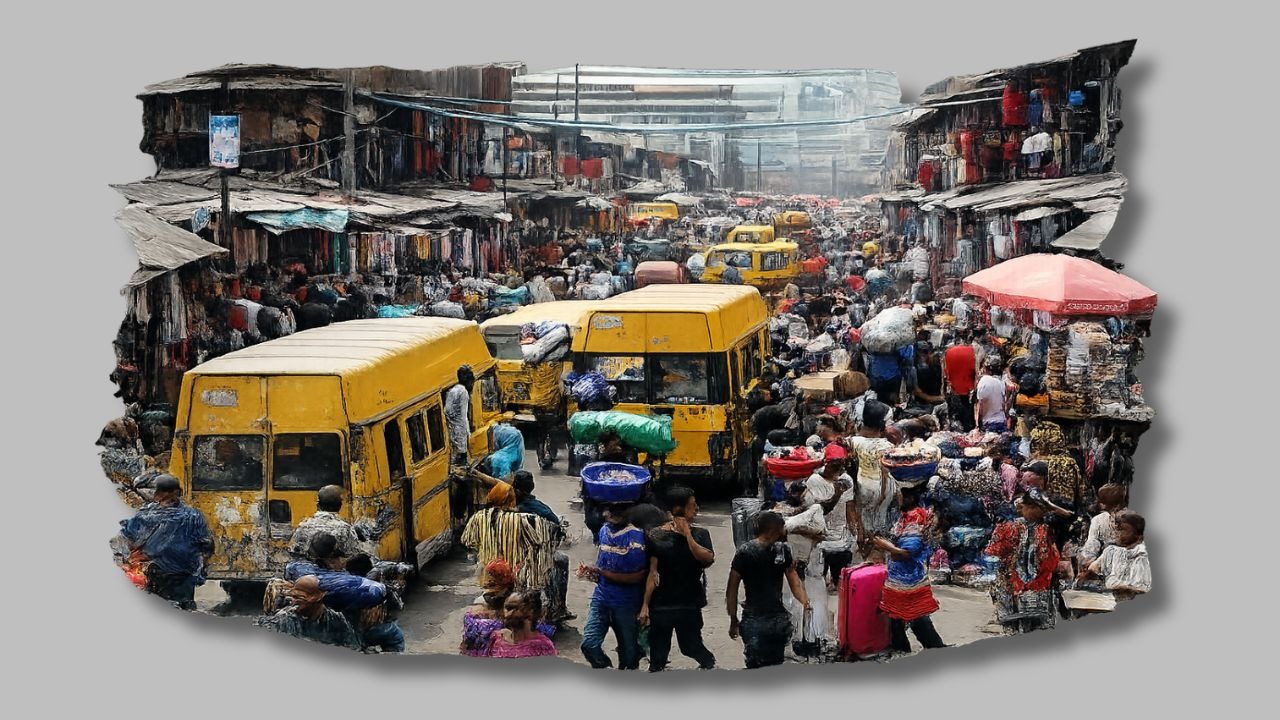
Every morning before the sun fully rises, the continent of Africa is already at work.
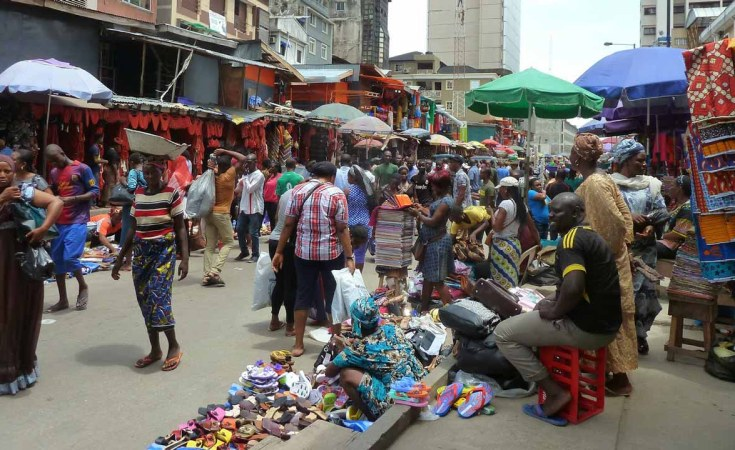
The woman frying akara by the roadside has served her first customers before 7 a.m. A tricycle rider has completed two trips to ensure his finances stay afloat. Somewhere, deep in the bustling noise of the city, a mechanic is unlocking his workshop while a tailor is already bent over a sewing machine finishing yesterday's order.
Somewhere else, a young graduate responds to customers on Instagram, hoping to sell another thrift outfit before noon, and just nearby, a POS agent counts cash while a phone repairer waits for the first cracked screen of the day.
None of these people are likely to appear in government employment reports. Few of them wear company ID cards and most of them never will. Many of these individuals have never received an official appointment letter or know what it means to work as a contract staff.
Yet together, they feed millions of households, keep cities functioning and move billions of naira, cedis, shillings and rand through African economies every single day.
We often describe them as hustlers, artisans, traders or self-employed workers, as though they exist on the fringes of the economy.
What if they are the economy? The uncomfortable truth is that Africa's informal economy may already employ more people than governments ever realistically can. According to the International Labour Organization (ILO), informal employment now accounts for more than 80 percent of jobs in Sub-Saharan Africa, the highest share of any region on earth, making it the dominant source of livelihoods across the continent.
Perhaps the real question is not whether Africa has enough jobs. It is whether we have been looking for them in the wrong places.
The World's Largest Workplace Doesn't Have a Reception Desk
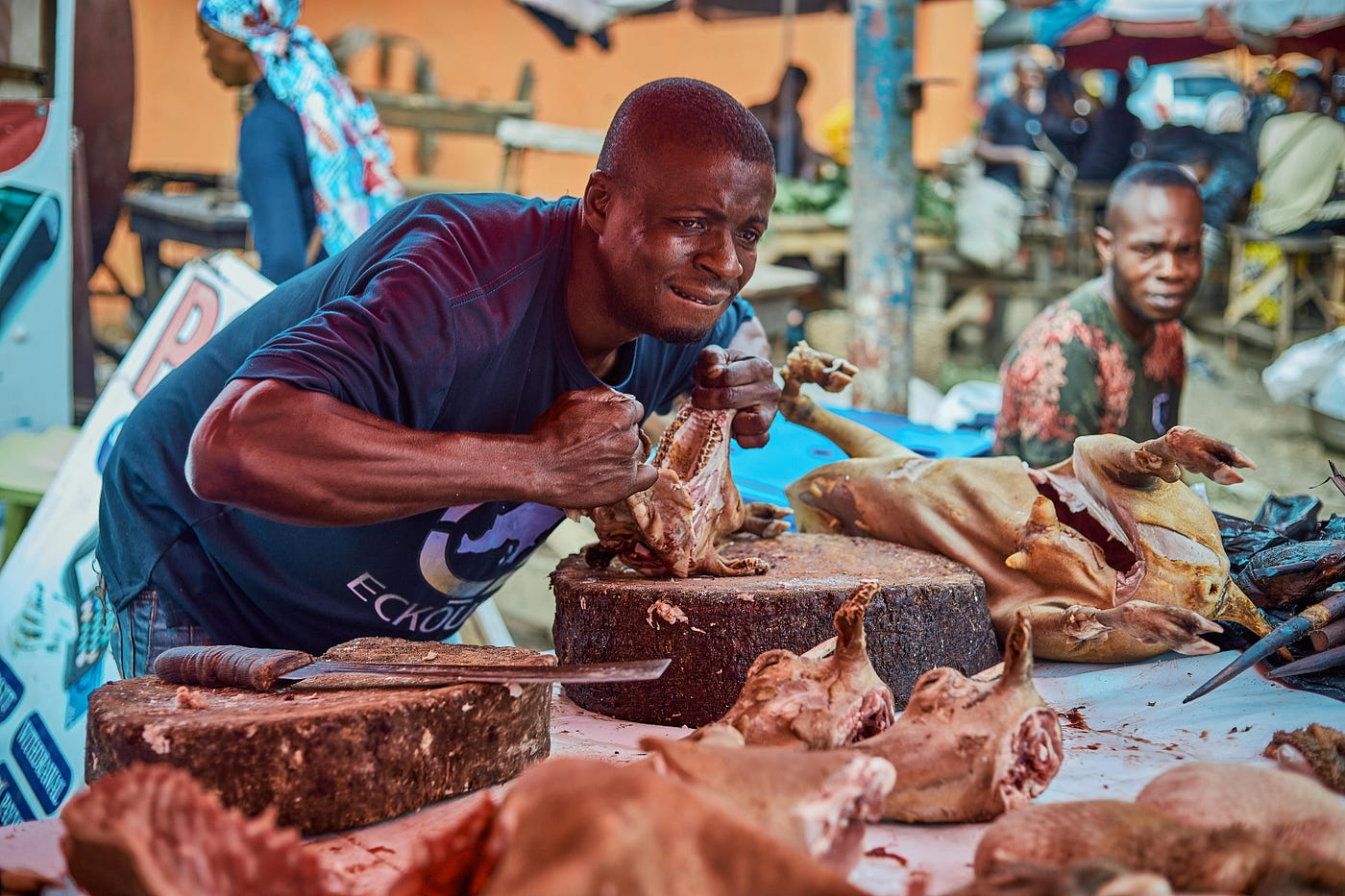
When people hear the phrase informal economy, they often imagine open-air markets or roadside traders. In reality, it is far bigger than that.
It includes mechanics fixing engines under mango trees, welders fabricating gates, barbers opening before sunrise, tailors working from converted living rooms, ride-hailing drivers navigating city traffic, photographers covering weddings, electricians, plumbers, carpenters, scrap metal dealers, POS operators, mobile phone repairers, content creators, online vendors, freelance designers and countless others whose work rarely fits neatly into official employment statistics.
We call them small businesses. Collectively, they form one of the largest employment systems on the continent. Governments celebrate attracting factories that promise to create a few thousand jobs. Meanwhile, millions of informal businesses quietly create livelihoods every day without investment summits, media coverage or policy announcements.
That contrast says something profound about how economic success is measured. The informal economy has never waited for recognition before creating opportunity. It has quietly become the first employer for millions of young Africans entering adulthood, with ILO estimates showing at least eight in ten young workers in the region holding informal jobs, and, for many households, the only reliable source of income.
Perhaps the biggest misconception is not that these businesses are small. It is that they are isolated. They are deeply interconnected. Zoom out and you would see the bigger picture: The mechanic depends on the spare-parts dealer. The food vendor depends on the farmer. The photographer depends on the event planner. The tailor depends on the fabric merchant. The delivery rider depends on the online vendor.
What appears to be thousands of separate hustles is, in reality, one vast economic ecosystem.
When Jobs Don't Come, People Create Work Instead
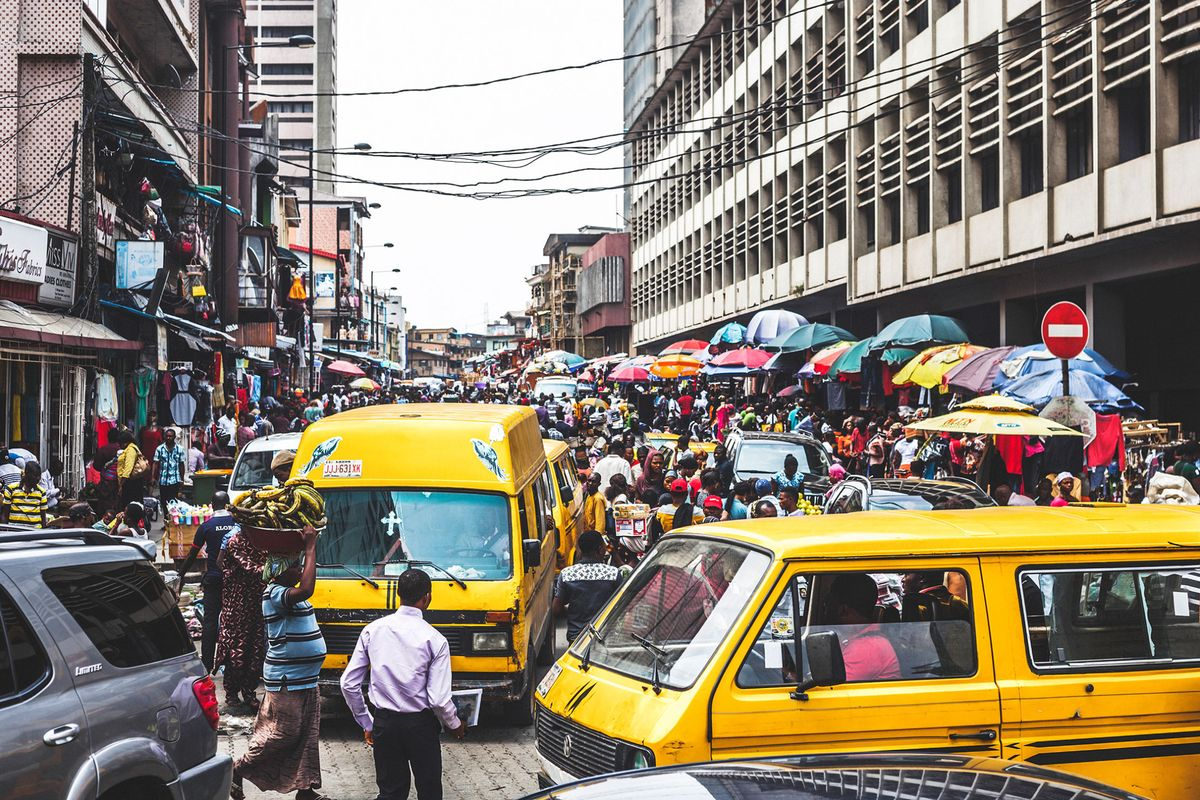
Across much of Africa, entrepreneurship is often celebrated as a sign of ambition. The reality is usually more complicated.
Many people did not become entrepreneurs because they dreamed of owning businesses. They became entrepreneurs because formal employment never arrived.
Graduates who expected office jobs now sell skincare products online. Engineers operate logistics businesses. Teachers bake cakes. Accountants run fashion brands. Software developers freelance for clients abroad while managing side businesses at home.
The informal economy has become Africa's response to a shortage of formal opportunities. When labour markets fail to absorb workers, people rarely stop working. They simply redefine what work looks like.
This is perhaps the least discussed function of the informal economy. It does not merely generate income. It absorbs economic failure.

Every time factories reduce hiring, more roadside businesses emerge. Every time companies downsize, more people enter trade, transport, food services or digital commerce.
Governments promise employment. Citizens quietly create it. But there is another side to this resilience.
Most informal workers operate without pensions, health insurance, paid leave, unemployment protection or stable income. A bad week can erase months of progress. Illness can shut down an entire business. Inflation can wipe out already thin profits overnight.
The people carrying much of Africa's employment burden often do so with the least protection. That resilience deserves admiration. It should not become an excuse for neglect.
The Economy We Overlook May Be the One Holding Everything Together
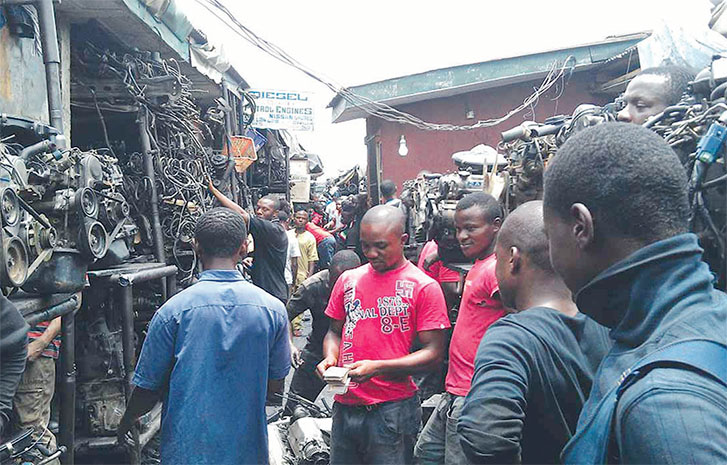
When governments discuss economic transformation, the conversation often revolves around foreign investment, industrialisation, technology hubs and billion-dollar startups.
Those conversations matter. But they sometimes overlook the industries ordinary people have already built.
Think about the Owambe celebration that supports caterers, DJs, decorators, fashion designers and photographers every weekend. Look at open markets, neighbourhood salons, local transport networks, beauty businesses, construction artisans and agricultural traders.
READ ALSO: The “Owambe Economy” Is Bigger Than Most Nigerian Startups
These industries rarely dominate policy conversations. Yet they continue creating jobs at a scale that few formal sectors can match. Perhaps that is because they are so familiar that we have stopped seeing them.
Gross Domestic Product measures output. It struggles to measure resilience. When economic crises strike, people in the informal economy rarely have the luxury of waiting for recovery packages: They adapt. They begin online businesses. They start a side hustle. They reinvent themselves again and again.
That ability to continuously create new forms of work may be one of Africa's greatest economic strengths. Yet it is rarely celebrated with the same enthusiasm reserved for venture capital announcements or multinational investments.
Maybe the Future of Employment Has Been Here All Along
Maybe governments have been asking the wrong question. The challenge may not be how to replace the informal economy with formal jobs. The challenge may be how to strengthen the employment system that already exists.
Imagine if millions of informal businesses had access to affordable credit instead of predatory loans. Imagine if artisans operated with stable electricity rather than expensive generators. Imagine if market traders had better roads, reliable storage facilities and modern digital payment systems.
Imagine if self-employed workers could access affordable healthcare, pensions and insurance without navigating impossible bureaucracy. The economic gains would extend far beyond individual businesses.
Productivity would rise.
Businesses would scale.
Communities would become more resilient.
The objective should not be eliminating informality simply because it is informal. It should be making informal work more productive, more secure and more rewarding. For decades, policymakers have searched for ways to create millions of jobs.
Perhaps millions already exist. They simply do not look like traditional employment.
The next time you buy roasted corn from a roadside vendor, repair your phone at a neighbourhood shop, withdraw cash from a POS agent or hire a local carpenter, remember something.
You are not merely supporting a small business. You are participating in one of the largest employment systems on the continent.
And just maybe the greatest misconception about the informal economy is that it represents everything Africa needs to leave behind. Maybe it is one of the continent's greatest economic achievements waiting to be recognised.
Because while governments continue searching for ways to create jobs, millions of Africans wake up every morning and quietly create work for themselves. And perhaps that has been Africa's biggest employment story all along.