Twilight Star Jackson Rathbone Declares AI Art 'Soulless'
Jackson Rathbone, known for 'Twilight' and his band STARMOTHER, passionately discusses his hands-on approach to music and strongly criticizes AI-generated art as 'stolen' and 'soulless'. His views on artistic integrity resonate with the diverse demands of iconic music videos like 'Thriller' and 'Single Ladies', which are also explored.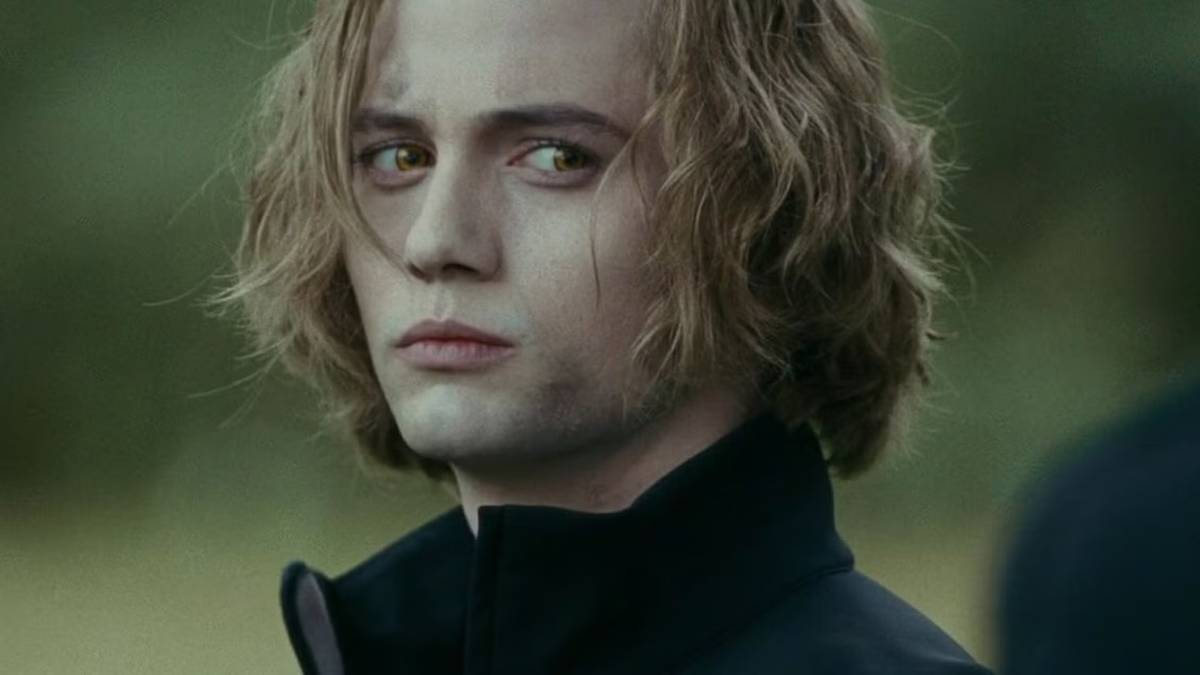
Jackson Rathbone, widely recognized for his role as Jasper Hale in the acclaimed Twilight film series, has cultivated a profound understanding of the dedication required to forge meaningful connections through art. Long before his Hollywood breakthrough, music was an integral part of his life, leading him to Los Angeles at 18 with aspirations of becoming a songwriter. His musical journey evolved, seeing him tour North America and Europe with his former band, 100 Monkeys.
Currently, Rathbone channels his musical passion into STARMOTHER, an independent duo he fronts with his wife. Together, they meticulously handle every aspect of bringing their music and videos to the public, embodying a hands-on approach to creation. Their upcoming album, "Disco Punk Is Dead," reflects Rathbone's deep fascination with punk history, while their music videos serve as another vital avenue for storytelling. These videos are deliberately crafted to be raw, unpolished narratives, giving the couple an outlet to explore their fictional world and emphasizing the genuine effort behind their work. Rathbone is actively involved in multiple roles, from acting and producing to managing lights and hauling equipment, leaving only catering to his wife's expertise. He strongly advocates for utilizing accessible resources, encouraging others to create with whatever they have, like a phone and friends, underscoring that the effort and authenticity are paramount: “We’re using like our blood, sweat, and tears.”
In a candid conversation at FanX in Salt Lake City, Rathbone shared his unequivocal stance on AI-generated content that attempts to pass as art. He vehemently described such creations as “stolen” and “soulless.” While acknowledging the potential utility of AI in medical applications, he firmly dismisses the notion that merely providing a prompt qualifies someone as the creator of the resulting artwork. “You can say, ‘Hey, I put the prompt in there.’ But at the end of the day, you know, you know it’s not you making that art,” he stated, highlighting the irreplaceable value of human input and genuine effort in the artistic process.
Echoing the diverse demands and unique artistry inherent in music video production, another segment from Collider delves into the iconic world of music videos, presenting a quiz designed to determine which famous music video an individual might star in. This exploration highlights four distinct music video masterpieces, each demanding a particular set of skills and attitudes from its potential lead.
Thriller (Michael Jackson, 1983, Dir. John Landis): This video transcended the medium, becoming a fourteen-minute short film. It calls for an individual eager to portray a character rather than themselves, willing to commit fully to the role, including extensive makeup and elaborate dance routines. Its lasting impact stems from its complete commitment and lack of irony, making it a pivotal cultural event and the first music video added to the National Film Registry.
Take On Me (a-ha, 1985, Dir. Steve Barron): Regarded as one of the most romantic videos ever, this piece draws a viewer into a pencil drawing, telling a captivating love story with minimal dialogue. It appeals to those who prioritize beauty and sincerity over spectacle, valuing a single perfect image. The painstaking rotoscoping, hand-tracing thousands of frames, contributed to its unique texture and enduring emotional appeal, making it a story-driven video often rewatched for its narrative.
Sabotage (Beastie Boys, 1994, Dir. Spike Jonze): This video is celebrated for its comedic genius, offering a full-blown parody of a 1970s cop show. It perfectly suits individuals who thrive on playful collaboration with friends, embracing fake mustaches and bad wigs. The humor lies in the cast's complete dedication to playing it straight, making it appear genuinely fun to have been a part of and cementing its status as a cool and iconic piece.
Single Ladies (Beyonce, 2008, Dir. Jake Nava): This minimalist masterpiece features three dancers, a black and white aesthetic, and a single room, demanding a flawless performance without any elaborate sets or narratives to hide behind. It is ideal for those who wish to be judged solely on their inherent abilities and dedication. The stripped-down approach was a bold choice that paid off, leading to choreography that was instantly and widely copied, proving the video's undeniable impact through sheer, unadulterated talent and practice.