Mike Bamiloye: The Four-Decade Legacy Behind “Agbara Nla: The Return”
Mike Bamiloye and Mount Zion helped shape Nigeria's Christian drama culture. As Agbara Nla: The Return succeeds in cinemas, his journey offers a story of faith, persistence, and legacy.

If you're conversant with Nigerian cinema since last weekend, which you should be, because how can you be Nigerian and not know what is trending in the cinema? Well, on a lighter note. If you actually are, then you should have come across the debut of the remake of Agbara Nla: The Return, a film that has drawn attention across Nigerian cinemas, the entertainment industry and, interestingly, prominent churches and pastors giving it publicity.
The film has given faith-based cinema something to celebrate. During its preview period, it recorded about ₦70 million from 12,134 admissions, according to Nigerian Box Office, and reports put its gross at ₦170.6 million by its first four days.
But amid all the energy and excitement around a remake of a film first released in 1993, another question is worth asking: how did all of this come to be, and who was at the forefront of the dream that made this moment possible?
The name is not far-fetched: Mike Bamiloye. Actor, filmmaker and evangelist, Bamiloye has spent more than four decades building Mount Zion Faith Ministries around an idea that once looked rather unusual: that Christian drama could be more than a church programme.
Today, his sons Damilola and Joshua Mike-Bamiloye are directing the new Agbara Nla, while their father returns as Isawuru, the powerful character he played in the original.
When Christian Drama Was Still an Unusual Calling
Mount Zion Faith Ministries was founded by Mike and Gloria Bamiloye in 1985, but the story did not begin with cinema. An early attempt at film production failed, Bamiloye has recalled, according to the Messenger Blog, so the ministry concentrated on stage drama, travelling from church to church. In 1986, one of those early dramas, Hell in Conference, was staged at a Christian teachers' conference in Ilesha.
This was a very different Nigeria. Christian drama existed, but there was no established industry waiting to receive it. A scholarly study of Nigerian evangelical film notes that Mount Zion began by touring churches with stage plays, and that its early attempts at video production did not succeed. Mount Zion was not entering a comfortable industry with a blueprint; it was helping establish a space for Christian drama as a sustained ministry.
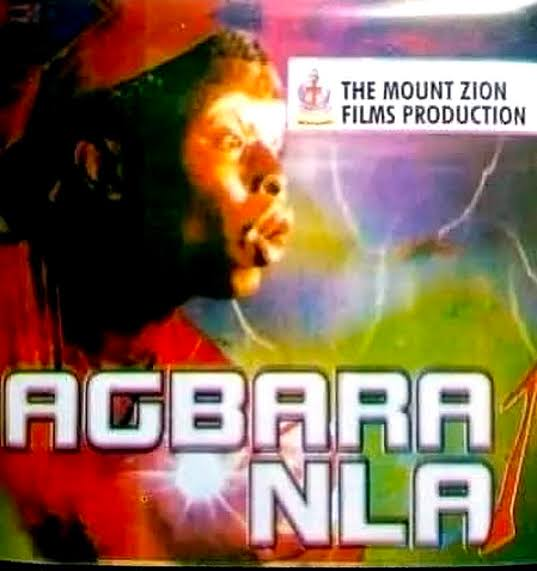
The move from stage to film came gradually. The Unprofitable Servant became Mount Zion's first successful video production in 1990 after a church leader sponsored its conversion from stage play to film, and it was broadcast on television on Easter Sunday. Then came Agbara Nla in 1993.

Bamiloye has since described the film as a turning point, according to The Vanguard, opening Mount Zion to a wider audience and changing the ministry's outlook. About 90 per cent of those involved were students of the Mount Zion Institute of Christian Drama, then just beginning. Success brought an unexpected problem: distributors competed over marketing rights, while people assumed the ministry was earning far more than it was.
That says something about the early reality of Christian filmmaking. There was an audience, but no commercial machine built for it, and still the question of how the people making the films would fund, distribute, and sustain them.
The Movies We Grew Up Watching
This is where the nostalgia becomes personal for an entire generation. For many Nigerians, Mount Zion movies were not something you discovered through a cinema trailer. They arrived through church programmes, television, copied tapes, family living rooms and conversations after Sunday service.
Titles such as The Unprofitable Servant, The Beginning of the End, Perilous Times, Agbara Nla and Captives of the Mighty became part of the vocabulary of Christian storytelling.
The films were not always polished by today's standards. The costumes, effects, and production techniques reminded you this was a ministry working with what it had. But that was almost beside the point.
The stories were accessible, the moral questions clear, and the themes taken seriously enough to become part of everyday conversation.
According to The Vanguard, Bamiloye has spoken about the pressures of the calling, including the temptations of fame, lust, and pride, and the challenge of working where no established Christian arts industry existed as a guide. In 2015, after 30 years of the ministry, he said they had "not arrived yet."
That sentence is surprisingly revealing. A man could spend 30 years building something and still consider the work unfinished.
What Agbara Nla Represents Now
That unfinished feeling may be part of what makes Agbara Nla: The Return interesting today. Thirty-three years after the original, the story is back in cinemas, but the people carrying it forward are no longer only the generation that started it.
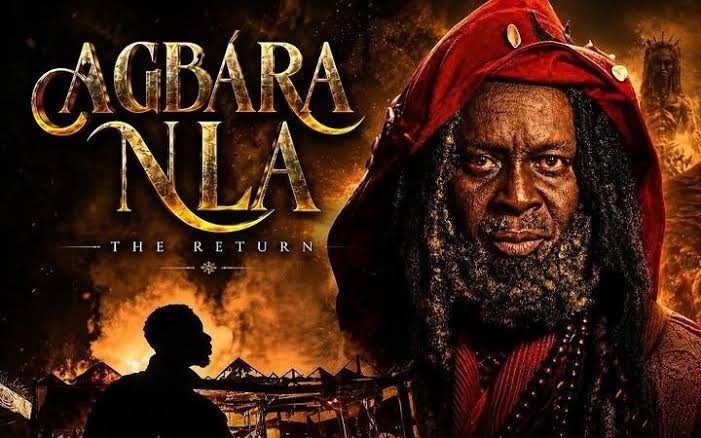
Damilola and Joshua, who grew up around the ministry, are directing the remake. Damilola has said they first approached their father about four years ago, meeting resistance before winning his support.
There is something fitting about that. The same ministry that once had to convince people Christian drama could be a calling is now placing one of its oldest stories inside the modern Nigerian cinema economy.

The numbers tell their own story: this is the biggest opening weekend for a faith-based film on Nigerian Box Office's records. And it is still showing, giving audiences who grew up with the original a chance to see a familiar story told in a newer filmmaking language.
But perhaps the bigger achievement is not the money. It is that a project that began with stage drama, limited resources, travelling ministry teams and a vision many struggled to understand now has a second generation carrying it into cinemas.
Mike Bamiloye did not invent Christian drama, and he was not the only person who contributed to its growth in Nigeria. But it is difficult to tell the story of Nigeria's modern Christian film culture without what he and Gloria built through Mount Zion.
Their children are now extending that work through films such as The Train and Abattoir, while Joshua has also become part of the ministry's production and sound work, and perhaps that is what Agbara Nla: The Return represents most clearly: persistence.
Sometimes a movement does not begin with a huge studio, a major investor, or a perfect business plan. Sometimes it begins with people repeatedly doing the thing they believe they were called to do, even when the audience, industry, and financial structure have not caught up yet.
More than 40 years later, the children are directing, the father is still acting, the old story is playing in cinemas, and thousands of Nigerians are buying tickets to watch it.