Trump's Dangerous Ultimatum: Accept Deal or Face New US Bombing in Iran Standoff
Donald Trump's administration is navigating complex, often contradictory foreign policy shifts concerning Iran, moving from threats of war to proposed peace negotiations. A reported memorandum of understanding outlines a 30-day period to resolve disputes over Iran's nuclear program, sanctions, and the Strait of Hormuz blockade, though Iran remains cautious. This potential breakthrough aims to end the costly "Epic Fury" military operation but faces significant challenges and skepticism from both sides.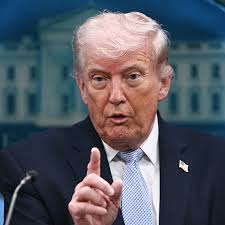
President Donald Trump issued an ultimatum Wednesday for Iran to accept a deal to end the war or face renewed, more intense US bombing, in the latest of a series of abrupt policy shifts.
“Assuming Iran agrees to give what has been agreed to, which is perhaps a big assumption, the already legendary Epic Fury will be at an end,” Trump posted on his Truth Social platform,” using the US name for its campaign against Iran.
“If they don’t agree, the bombing starts, and it will be, sadly, at a much higher level and intensity than it was before,” he added.
Trump’s post came after US news outlet Axios reported that Washington and Tehran were close to agreeing on a one-page memorandum of understanding to end the war and set a framework for more detailed nuclear negotiations.
The US leader said Washington’s blockade of Iranian ports would remain in place as Tehran kept up its own closure of the vital trade route, which has rocked markets and spiked fuel prices.
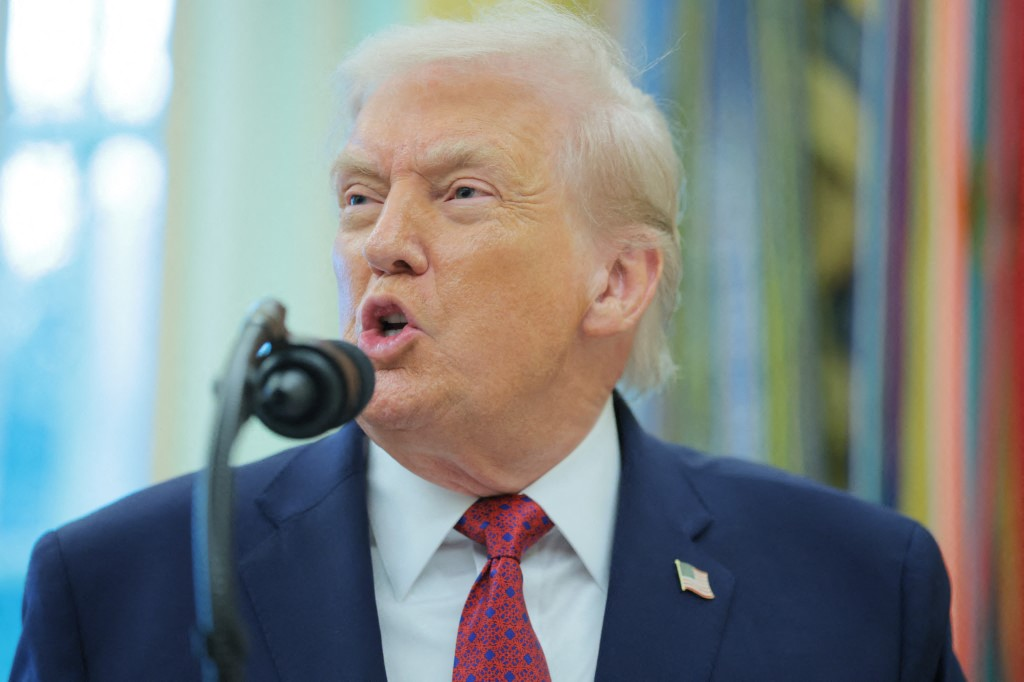
Trump wrote on social media that the decision to halt his so-called “Project Freedom” a day after.
It began came after requests from “mediator Pakistan and other countries”, saying “Great Progress has been made toward a Complete and Final Agreement” with Tehran.
“We have mutually agreed that, while the Blockade will remain in full force and effect, Project Freedom… will be paused for a short period of time to see whether or not the Agreement can be finalized and signed,” Trump wrote late Tuesday.
The proposed deal, if realized, would need to be assessed against the benchmark of the 2015 multilateral nuclear deal, which Trump unilaterally abandoned in 2018.
While Trump might cite a longer enrichment moratorium as a victory, such gains would come at an "awful price."
The conflict has resulted in over 5,000 casualties, including 120 primary school children on the first day in Minab, and numerous fatalities in Lebanon.
Indirect global costs are staggering, with the UN estimating 32 million people could be plunged into poverty due largely to impacts on energy and fertilizer supplies.
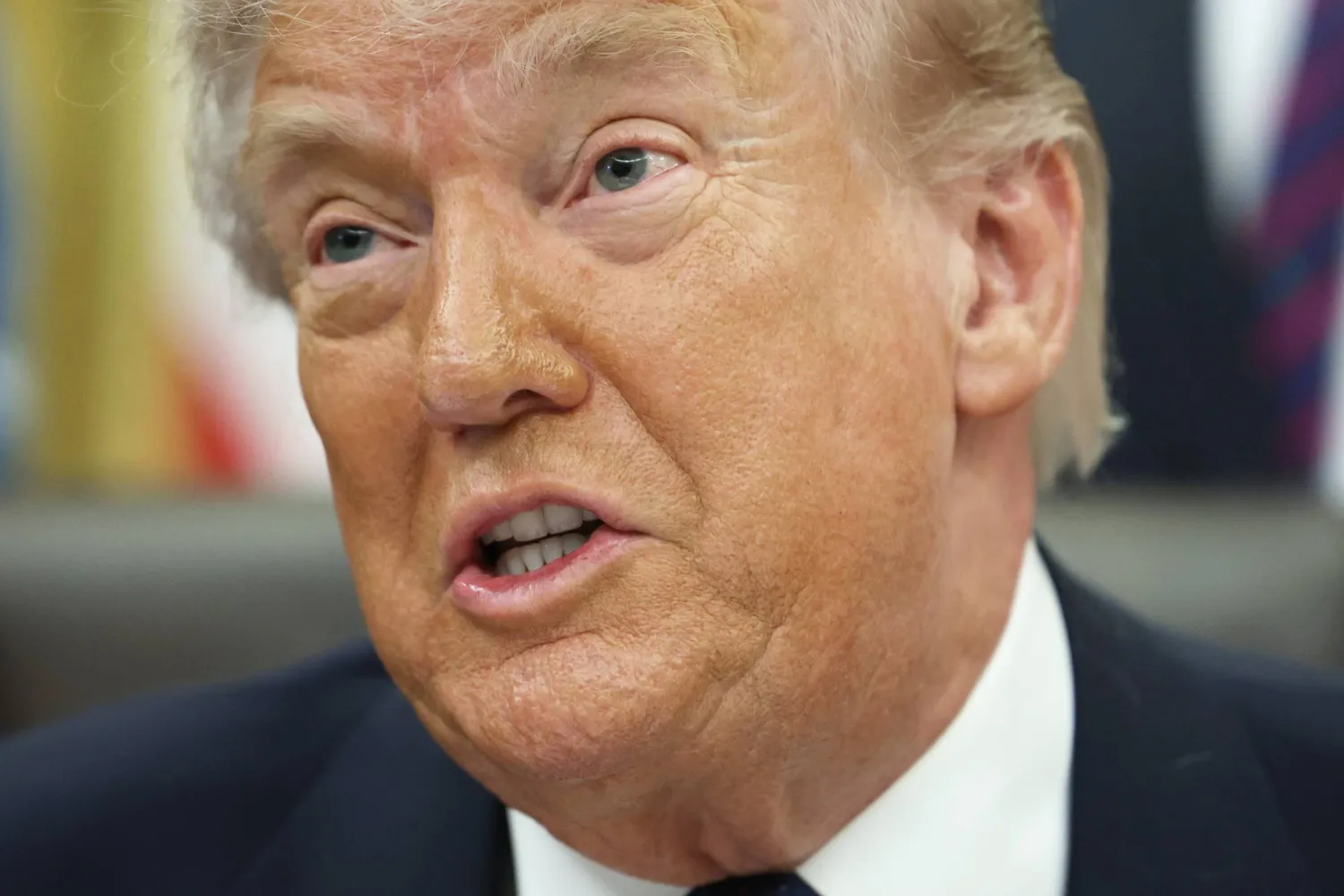
The UN humanitarian chief noted that the $2 billion daily war expenditure could have saved 87 million lives if redirected to humanitarian relief.
The war also appears to have entrenched hardliners and the military within Iran, making any progress exceptionally fragile.
The role of international mediators, particularly Pakistan and potentially China, is crucial.
Pakistan has been active in facilitating talks, while China, having close economic and political ties with Tehran, has been called upon to exert leverage and even serve as a guarantor for any peace deal, especially ahead of Trump's visit to Beijing.
However, questions remain about China's actual influence and the deep-seated lack of trust between the primary parties.
Ultimately, while Trump's announcement briefly boosted markets and lowered oil prices, signaling hope for an end to the conflict, the path to a durable peace remains fraught with uncertainty.
With more unknowns than knowns surrounding this potential breakthrough, the war in Iran, regardless of its immediate outcome, appears destined to be remembered as one of history's most strategically complex and tragically pointless conflicts.