America Keeps Warning About Chinese Tech. Should African Countries Listen?
America is tightening restrictions on Chinese tech over security fears. Should African countries follow suit or strengthen oversight while relying on Chinese infrastructure?
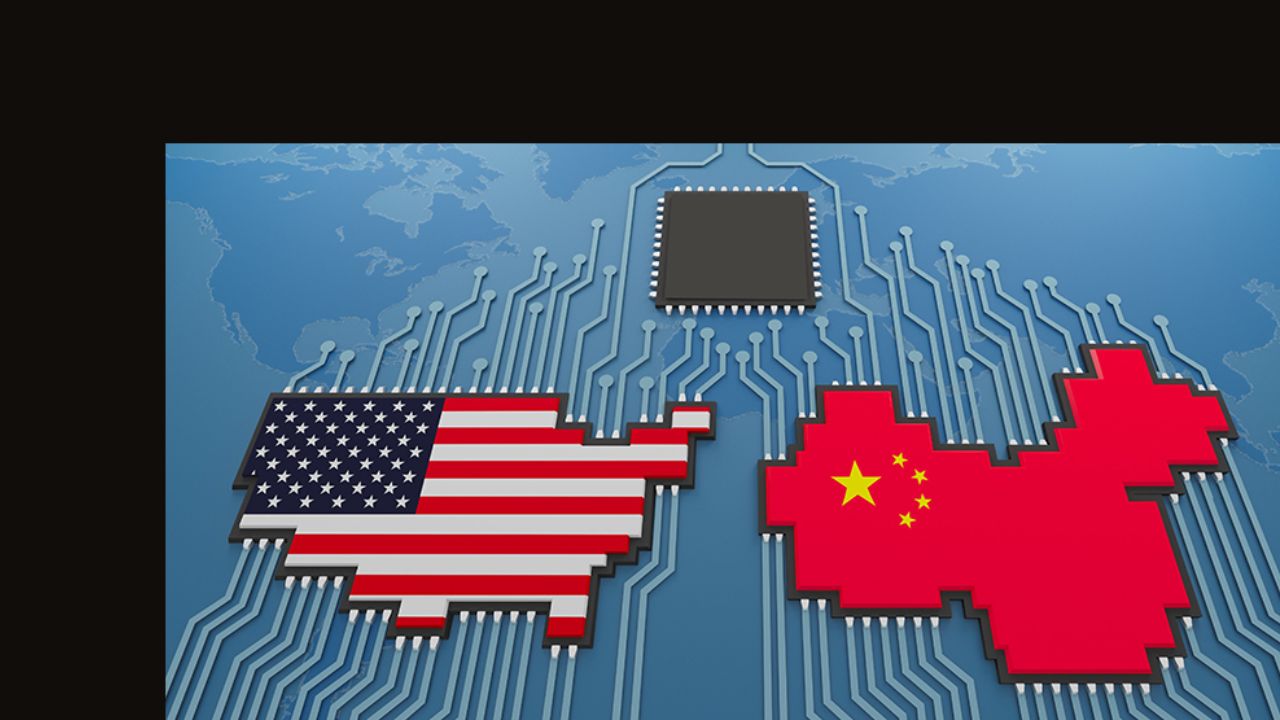
Washington is draftinganother ban on Chinese technology and this time it is targeting the machines running the AI boom. The Trump administration is working on a rule that would block US imports of new Chinese-made optical transceivers which are the components that move data across fibre-optic cables inside data centres at extremely high speed.
The Federal Communications Commission is handling the process, and officials reportedly hope to publish the measure before the end of the year. The stated goal is to stop Chinese firms from stealing data, planting malware or disrupting service inside facilities that train and run American AI systems.
This follows bans on Chinese drones, routers, robots and power inverters, which were all added to the FCC's so-called Covered List in the past year.
Each restriction has followed the same process of blocking new imports outright, then carving out exemptions for non-Chinese suppliers competing in the same category.
Interestingly, Trump has actually been less aggressive on China this term than in his first, largely because Beijing's rare earth export controls last year gave China real leverage in the relationship.
The data centre ban suggests that even a more cautious White House still treats Chinese-made hardware sitting inside critical digital infrastructure as a national security problem worth acting on.
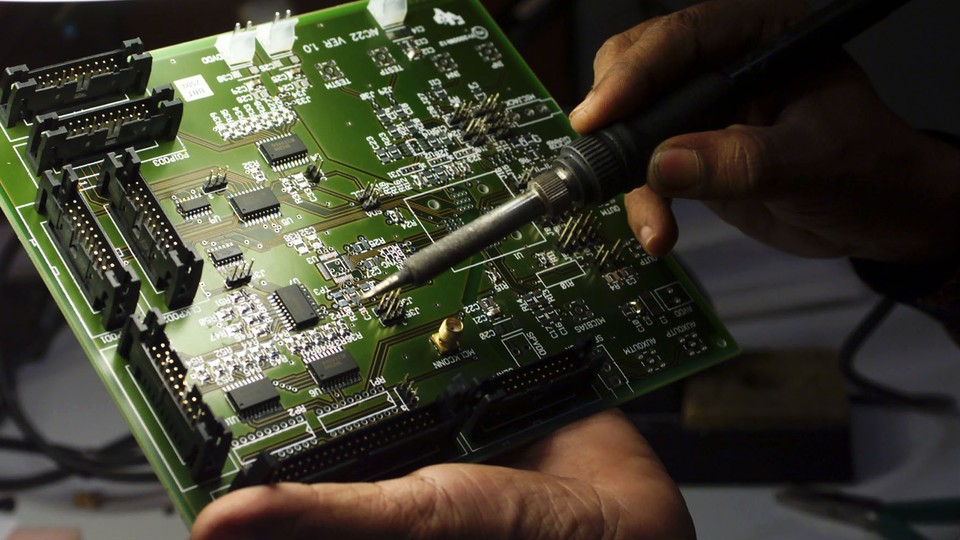
Why Washington Keeps Targeting Chinese Hardware
The American argument has a solid backing. Chinese national intelligence law requires domestic companies to cooperate with state intelligence and security services when asked, regardless of where those companies operate.
US officials argue that this obligation makes it structurally impossible to fully trust Chinese-made equipment sitting inside networks that carry sensitive data, even if a given company has never been caught doing anything wrong.
When you also observe the track record of alleged intellectual property theft and state-linked hacking campaigns attributed to Chinese actors, the case for caution starts to look less like paranoia.
Critics of the bans see something else at play too. Some of these restrictions double as industrial policy, protecting American and allied hardware makers from cheaper Chinese competitors using security language as an excuse.
Both things can be true at once. A concern can be legitimate and still be convenient for domestic manufacturers who benefit from Chinese suppliers being pushed out of the market.
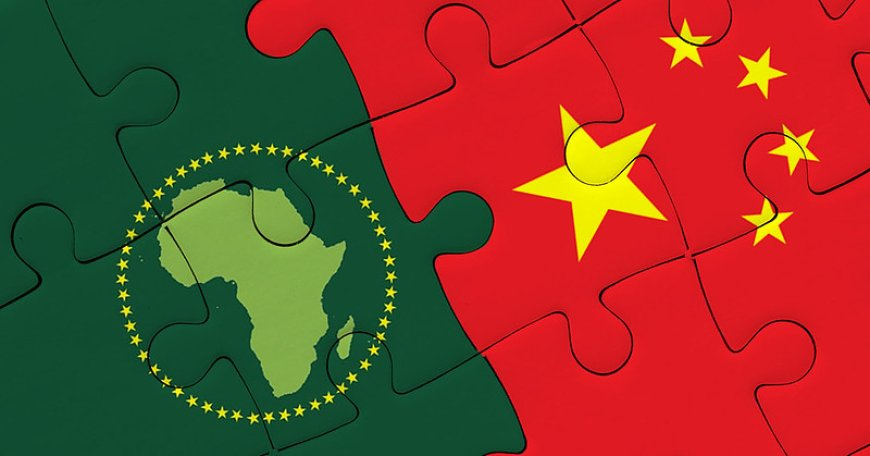
Where Africa Actually Stands With Chinese Technology
African countries are among the most Chinese-tech-dependent regionson earth. Huawei alone is estimated to account for around 70% of Africa's 4G network backbone and continues to lead 5G rollouts across roughly 30 markets on the continent.
This is often backed by Chinese state financing that Western vendors rarely have. Ethiopia, Kenya, Nigeria, South Africa and dozens of other countries have built their telecom foundations on Chinese equipment and Chinese-built government buildings are common across the continent.
This dependence also extends beyond hardware as China remains one of Africa's largest sources of infrastructure financing, and telecom, energy, and data infrastructure projects are frequently tied to Chinese loans.
This combination is exactly the setup that Washington's security hawks warn about. It is also, from an African government's perspective, often the only financing available at the scale and speed needed to close connectivity gaps.
The African Union Precedent Africa Cannot Ignore
Africa already has direct experience with the exact scenario the US is warning about. In 2018, the French newspaper, Le Monde, reported that the African Union headquarters in Addis Ababa, built with Chinese funding and equipped largely by Huawei, had been quietly transmitting data to servers in Shanghai every night for five years before the breach was discovered.
A later report alleged that surveillance camera footage from inside the building had also been redirected for viewing abroad. China's government and Huawei both denied wrongdoing, and the AU itself downplayed the incident publicly.
There was no conclusive public evidence of a deliberate backdoor but the pattern was enough to unsettle observers who had assumed Chinese-built infrastructure was neutral.
That single incident does not prove that every Huawei base station or router is compromised. But it does confirm that the theoretical risk Washington keeps citing is not purely theoretical for Africa. It happened, on African soil, inside a building meant to represent the continent's collective political authority.
Should African Countries Actually Be Worried

The honest answer sits between blind trust and blind panic. African governments have real reasons to want strong, affordable digital infrastructure fast, and Chinese vendors have consistently offered the best combination of price, financing and delivery speed to meet that need.
Ripping out Chinese equipment wholesale, as some US allies have done, would be expensive, disruptive and in many cases simply unaffordable for governments already managing tight budgets and mounting debt.
At the same time, uncritical dependence on any single foreign supplier, whether American, European, or Chinese, still carries structural risk.
The lesson from the AU headquarters case is not "avoid China" so much as "build oversight into every deal." That means independent security audits of critical infrastructure, diversified vendor relationships where possible, local capacity to monitor and secure networks rather than relying entirely on the vendor who built them.
Also, there should be a clear-eyed negotiation on data sovereignty terms before contracts are signed, not after a breach is discovered.
The Bigger Picture Africa Should Watch
America's tech restrictions on China are not really being written with African interests in mind. They are aimed at protecting US AI infrastructure and domestic manufacturers, and African countries are, at most, a secondary consideration in that calculus.
That does not make the underlying security concerns invalid for Africa, but it does mean African governments should evaluate the evidence on its own merits rather than importing Washington's policy wholesale or dismissing it as irrelevant to a different geopolitical context.
The smarter path is neither loyalty to Beijing nor alignment with Washington's restrictions. It is building the technical and regulatory capacity to make independent judgments about which infrastructure to trust, on what terms, and with what safeguards, regardless of which country built it.