Binance's EU Dreams Shattered: ECB President's Veto Revealed!
European Central Bank President Christine Lagarde reportedly blocked Binance from operating in the EU, citing the crypto exchange's lack of a MiCA license and past financial-crime violations. Lagarde, a staunch critic of cryptocurrencies and proponent of central bank digital currencies, raised concerns about Binance potentially embedding dollar-based stablecoin dominance in Europe. This decision underscores the EU's rigorous regulatory approach and its strategic focus on financial autonomy through the digital euro.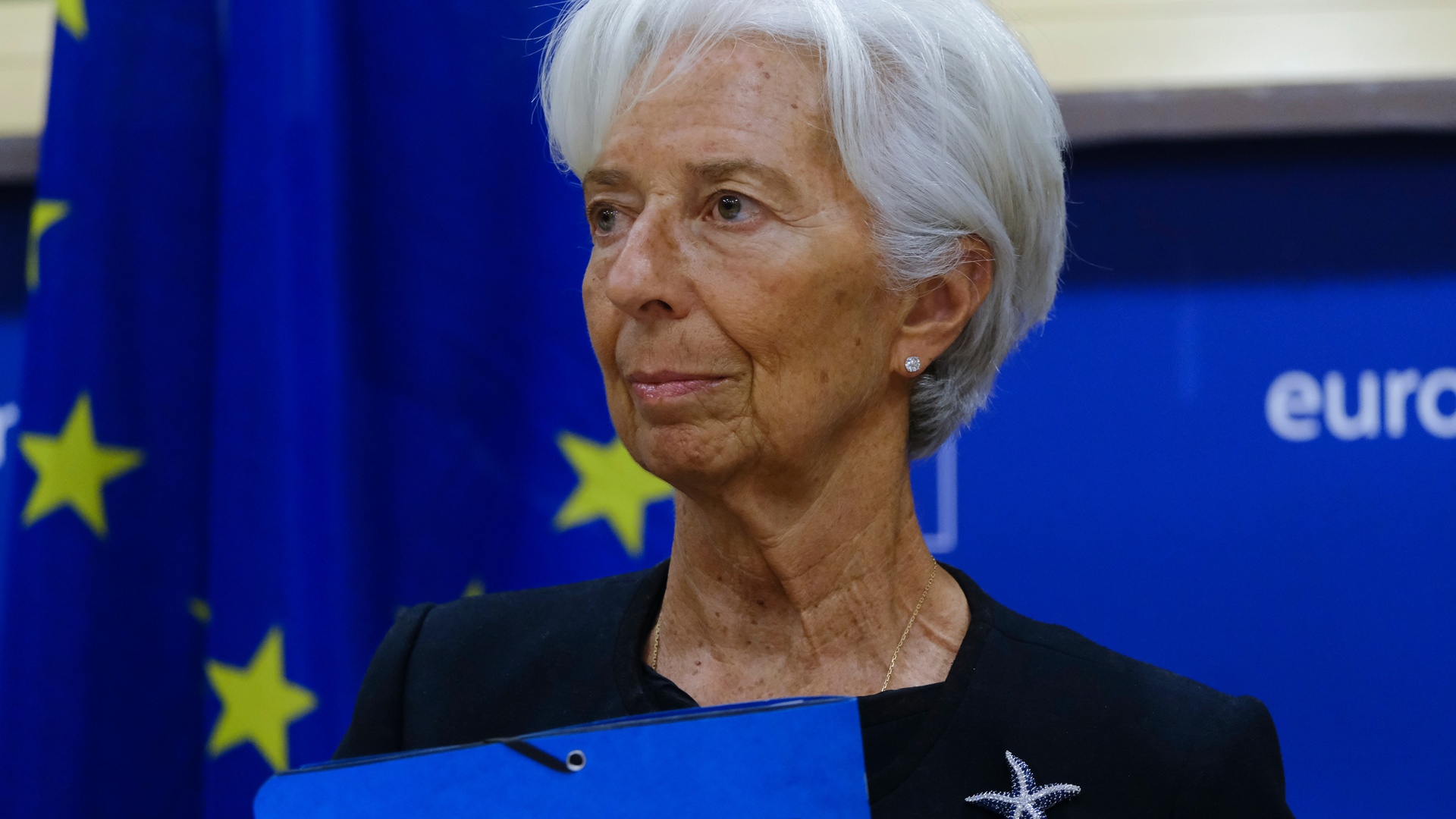
European Central Bank President Christine Lagarde reportedly prevented the crypto exchange Binance from operating within the European Union, according to a Wall Street Journal report. The report, published on a Thursday, indicated that Binance was on the verge of launching operations in the trading bloc but was subsequently denied after direct intervention from the central bank chief. This decision aligns with EU law, which mandates that local Crypto-Asset Service Providers (CASPs) must possess a MiCA license, a requirement Binance currently does not fulfill. Binance had previously withdrawn its MiCA application in Greece in June.
The Wall Street Journal report, citing interviews with officials, stated that Lagarde's intent was to exclude the controversial crypto exchange—which had pleaded guilty to financial-crime violations in the U.S.—from the European Union. Lagarde has a well-documented history of skepticism towards Bitcoin and strong advocacy for central bank digital currencies (CBDCs). In 2021, she publicly labeled Bitcoin a “highly speculative asset” frequently used for money laundering, further asserting that central banks would never hold the cryptocurrency.
Conversely, Lagarde adopts a distinctly different stance on CBDCs. A CBDC represents a digital form of fiat money, such as the U.S. dollar or the euro, and numerous nations globally are actively engaged in their research and development or are in various stages of release. Under Lagarde’s leadership, the EU is rapidly progressing with the development of a digital euro, which she describes as crucial for Europe’s financial autonomy, while simultaneously criticizing privately issued stablecoins.
However, CBDCs have attracted criticism from various segments of the crypto industry, including Bitcoin enthusiasts, who express concerns that these digital currencies could be exploited for surveillance of citizens. Notably, former U.S. President Donald Trump, upon taking office, signed an executive order prohibiting CBDCs. The WSJ report also highlighted Lagarde's apprehension that Binance could solidify the dominance of dollar-based stablecoins within Europe, thereby hindering the adoption and development of euro-denominated counterparts.
Binance, recognized as the world’s largest crypto exchange, facilitates the daily trading of billions of dollars in stablecoins on its platform. The company, along with its CEO, Changpeng Zhao, faced significant legal repercussions in 2023, pleading guilty to anti-money-laundering violations and incurring a record fine of $4.3 billion. Despite these challenges and the recent setback in the EU, Binance stated in June that it remains committed to pursuing MiCA authorization in another EU Member State.