Trump Denies US Knowledge of Israeli Attack on Iran Gas Field
The Middle East is gripped by escalating conflict after an Israeli strike on Iran's South Pars gas field prompted Iranian missile attacks on Qatar's Ras Laffan energy site. Donald Trump denied US involvement but issued a strong warning to Iran against further aggression towards Qatar, threatening severe retaliation. This unfolds amid a wider regional crisis, drawing international condemnation and triggering defense measures across Gulf states.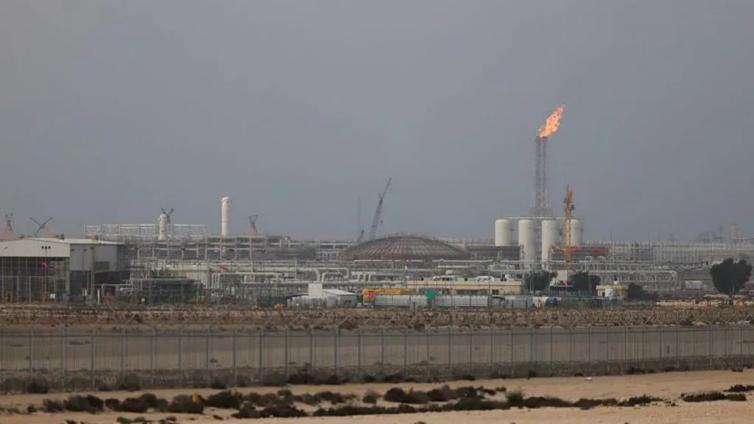
Escalating tensions in the Middle East reached a new peak following an Israeli strike on Iran's major South Pars gas field, which was swiftly met with retaliatory missile attacks by Iran against Qatar's critical Ras Laffan energy site. This cycle of violence unfolded amidst a broader regional conflict, drawing a strong warning from former US President Donald Trump, who denied US involvement in Israel's initial strike but threatened severe repercussions if Iran continued its aggression against Qatar.
The events began on a Wednesday when Israel allegedly targeted the South Pars gas field, part of the world's largest natural gas field, which Iran shares with Qatar's North Field. While Israel did not officially confirm the attack, Trump stated that its ally had "violently lashed out" at Iran "out of anger for what has taken place in the Middle East." This strike occurred against a backdrop of ongoing conflict, including wide-ranging US and Israeli strikes on Iran on February 28, to which Tehran had previously responded with attacks on Israel and US-allied states in the Gulf. Separately, Israel is also engaged in conflict with Iran-backed Hezbollah in Lebanon, displacing over a million people. Iranian President Masoud Pezeshkian warned of "consequences beyond control, the scope of which would engulf the entire world" following the initial strike on South Pars, with verified images showing smoke rising from impact sites.
In immediate retaliation, Iran launched missile attacks on Qatar's Ras Laffan industrial area, home to the world's biggest liquefied natural gas (LNG) processing facility, on Wednesday and early Thursday. QatarEnergy, the state-owned petroleum company, reported "extensive damage" to the site after the first attack, though all personnel were accounted for. After a second hit, Qatar's interior ministry confirmed that all fires at the facility were brought under control with no reported injuries.
Responding to these developments, Donald Trump, early on Thursday, asserted that the US "knew nothing" of Israel's strike on South Pars. He vehemently warned Iran against any further attacks on Qatar, stating that "Qatar was in no way, shape, or form, involved with" Israel's initial strike, and Iran's retaliatory actions against Ras Laffan were "unjustifiably and unfairly." Trump issued a stark threat: if Iran were to strike Qatar again, the US would "massively blow up the entirety of the South Pars Gas Field at an amount of strength and power that Iran has never seen or witnessed before." He added that while he did not wish to authorize such "violence and destruction" due to long-term implications, he would not hesitate if Qatar's LNG facilities were attacked again. This statement followed a Wall Street Journal report quoting unnamed US officials who indicated Trump had supported the South Pars strike as a message to Iran regarding its restriction of tanker traffic through the Strait of Hormuz, a crucial global oil shipping lane.
The international community reacted with alarm. Qatar's foreign ministry spokesman condemned the "Israeli targeting of facilities linked to Iran's South Pars field, an extension of Qatar's North Field" as a "dangerous and irresponsible step." The UAE and Oman also issued condemnations. Qatar later described the first Iranian attack on its Ras Laffan site as "brazen" and a "direct threat to its national security and the stability of the region," accusing Iran of "escalatory policies that are pushing the region toward the abyss." In response, two Iranian diplomats and their staff were ordered to leave Qatar within 24 hours.
The broader regional impact was also evident. Authorities in Abu Dhabi reported dealing with debris from intercepted missiles targeting the Habshan gas facility and the Bab oil field, leading to the suspension of operations, though no injuries were recorded. Concurrently, Saudi Arabia's foreign ministry announced it had thwarted an attempt to attack a gas facility in its eastern region, following reports of five drones being destroyed near energy facilities. Near Riyadh, four residents were injured by shrapnel from an intercepted ballistic missile, further highlighting the widespread nature of the escalating conflict.