Trump Assassination Attempt Foiled: Chilling Details Emerge as Secret Service Opens Fire
A recent assassination attempt on former President Donald Trump at the White House Correspondents' Dinner has intensified national conversations on political violence and gun control. The accused, Cole Tomas Allen, was captured in a chilling selfie with an arsenal of weapons just before allegedly attacking a security checkpoint. This incident serves as a stark reminder of America's long history of violence against public figures and the broader societal challenges posed by pervasive gun violence and inflammatory public discourse.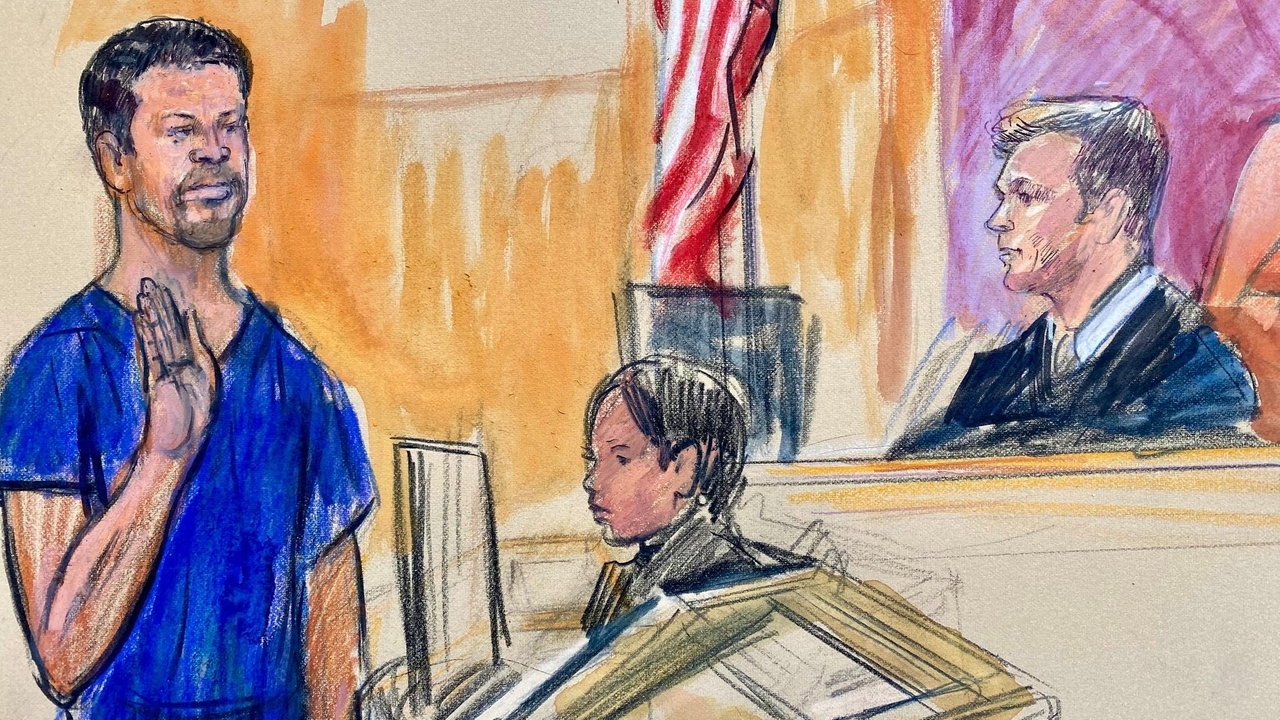
An attempted assassination on former President Donald Trump at the White House Correspondents' Dinner has reignited discussions about political violence, gun control, and public discourse in the United States. Federal prosecutors have released a chilling selfie of the accused, Cole Tomas Allen, taken moments before he allegedly charged a security checkpoint at the Washington Hilton, where the event was being held.
Allen's detailed preparation for the alleged plot included a mirror selfie taken at 8:03 PM, showing him in full evening dress but also clad with a shotgun, a small leather bag filled with ammunition, a shoulder holster, a sheathed knife, pliers, and wire cutters. Prosecutors further detailed that Allen was armed with seven knives. His actions leading up to the confrontation were meticulously planned, involving searches of the President’s schedule at 8:13 PM, watching live video of Trump’s arrival at 8:27 PM, and sending an emailed confession to family and friends at 8:30 PM.
Video footage of the confrontation reveals Secret Service agents drawing their weapons and firing multiple times at Allen within seconds of his appearance, though all shots missed. Despite the agents missing, the Secret Service affirmed that its "rigorously tested" security measures were crucial in mitigating the threat. During the incident, an officer was struck but sustained no serious injuries due to wearing a bulletproof vest. Acting Attorney General Todd Blanche confirmed investigations are ongoing to determine if Allen fired the shot that hit the agent. Allen subsequently tripped and fell at the top of a staircase, leading to his detention. Inside the ballroom, guests dove under tables as agents swiftly escorted Trump and other officials to safety.
Allen, who traveled by train from Los Angeles, faces three federal felonies: attempting to assassinate the President of the United States, transportation of a firearm in interstate commerce with intent to commit a felony, and using a firearm during a crime of violence. The latter carries a minimum of ten years and potentially life imprisonment if discharge of the weapon is proven. Allen has not yet entered a plea and is represented by court-appointed attorneys.
The incident has prompted a broader reflection on the history of violence targeting public figures in the U.S. Since President Dwight Eisenhower's administration, numerous high-profile individuals, including Presidents John F. Kennedy, Richard Nixon, Gerald Ford, Ronald Reagan, George H.W. Bush, Bill Clinton, George W. Bush, Barack Obama, Donald Trump, and Joe Biden, as well as figures like Sen. Robert F. Kennedy, Rev. Martin Luther King Jr., Gov. George Wallace, Malcolm X, and Medgar Evers, have been victims of assassinations, attempted assassinations, or foiled plots. This pattern underscores that violence in America is not exclusive to one political side, with targets spanning the ideological spectrum.
Furthermore, the close call for politicians in the ballroom drew a poignant comparison to the fear experienced by countless children in schools and ordinary citizens in places of worship or grocery stores, who lack similar Secret Service protection from gun violence. Critics express dismay at the perceived governmental inaction on gun control, predicting that officials will likely deflect blame to media, political wings, buildings, or mental health issues rather than confronting the issue of weapon availability. This sentiment highlights a profound frustration with the ongoing societal problem of gun-related fatalities.
Public commentary following the event also sparked debate. Some argued that the hotel's security was lax and that the Secret Service should have mandated a complete shutdown of the premises to outsiders. Others clarified that the White House Correspondents' Association dinner, hosted by the association and not the President, is not held at the White House, making a "new ballroom" at the White House irrelevant to security for this specific event. Additionally, late-night host Jimmy Kimmel faced calls for cancellation of his show after a "classless" joke about Melania Trump, with critics arguing that such violent language, regardless of political affiliation, has consequences and can incite harm, questioning the line between free speech and incitement of cruelty.