Travel Warning: Nigeria's Tourism Sector Grapples with Security Crisis

Nigeria's travel and hospitality industry finds itself at a critical crossroads, grappling with mounting concerns over its potential vulnerability to criminal exploitation and inadequate regulatory oversight. Against a backdrop of escalating national security challenges, influential voices within the country are urgently advocating for comprehensive reforms to protect this economically vital sector from becoming a platform for illicit activities.
President Bola Ahmed Tinubu has publicly acknowledged the existence of coordinated efforts to destabilize his administration, explicitly framing insecurity as a politically weaponized tool by certain actors. As the government continues to contend with multiple security fronts and implement significant economic reforms, there has been a heightened focus on sectors that might inadvertently provide cover for criminal networks, with tourism and hospitality increasingly drawing scrutiny.
Industry observers point to significant gaps within Nigeria's tourism ecosystem's regulatory infrastructure. A primary concern is the absence of a comprehensive, verifiable database of hospitality operators, travel agencies, tour operators, and logistics providers. This regulatory vacuum creates an environment where legitimate professionals operate alongside questionable actors, thereby complicating efforts by security agencies to effectively identify and monitor potential threats within the industry.
Recent enforcement actions have revealed troubling patterns of exploitation. Drug enforcement authorities have uncovered instances where hospitality facilities allegedly served as operational bases for narcotics trafficking and, in some disturbing cases, as holding locations for kidnapping victims. Similarly, operations disguised as travel and immigration consultancy services have been linked to human trafficking syndicates and illegal migration schemes. These revelations underscore the urgent need for enhanced vetting and monitoring mechanisms across the sector.
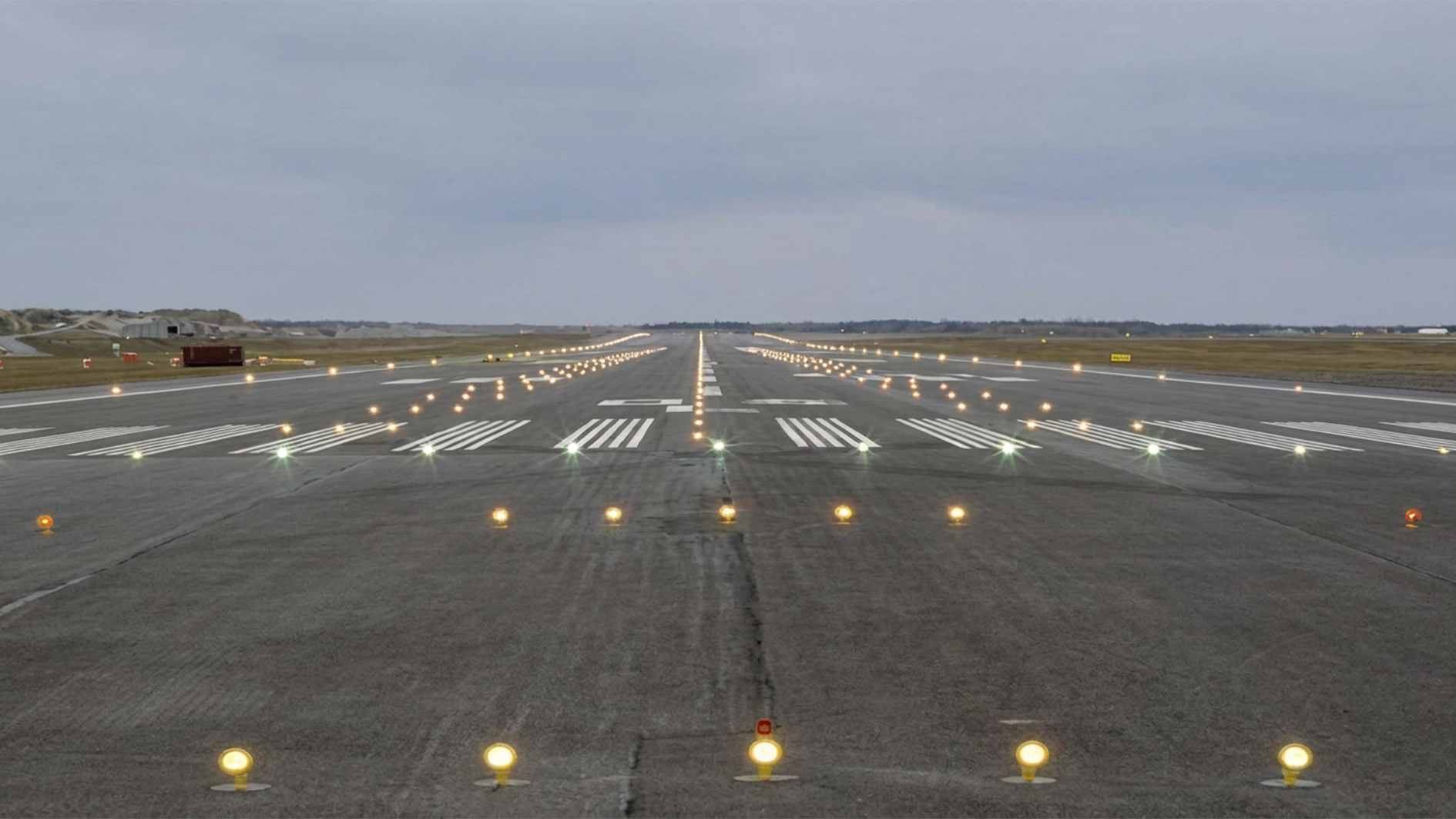
The aviation sector also faces its own unique set of challenges, particularly concerning non-scheduled flight operators. Concerns have emerged regarding private aviation services allegedly being utilized to transport unregistered cargo, suspicious individuals, and illicit materials across the country. While regulatory authorities have initiated profiling and registration exercises for private jet operators, industry stakeholders contend that much more extensive action is required to address these vulnerabilities.
On Nigeria's inland waterways, authorities have intensified mandatory registration requirements for boat operators, vessels, and jetty facilities. Joint patrol operations, involving multiple security agencies, have been implemented to curtail smuggling activities and secure these vital transport corridors. The identification and subsequent closure of illegal, unmanned jetties represent one visible outcome of these intensified security efforts.
Wildlife trafficking presents another alarming dimension of concern. Customs authorities have successfully intercepted numerous illegal shipments involving endangered species and valuable natural resources. Nigeria's strategic geographic position within West and Central Africa unfortunately positions the country as an attractive transit point for criminal cartels engaged in illegal wildlife trade, an activity that directly undermines crucial conservation efforts essential to sustainable tourism development.
For African travel professionals operating in or with Nigeria, these developments carry significant implications. Legitimate operators may face increased compliance requirements as authorities strive to distinguish genuine businesses from suspect enterprises. While such measures may introduce additional administrative burdens, they ultimately serve to protect the industry's reputation and foster fairer competitive conditions.
The widespread call for a comprehensive investigation into the tourism and hospitality sector reflects a growing recognition that this industry is too strategically important to remain inadequately regulated. Enhanced collaboration among law enforcement, immigration authorities, customs services, and tourism regulatory bodies is seen as crucial to identifying and eliminating criminal elements that tarnish the sector's image both domestically and internationally.
Questions have also emerged regarding the proliferation of industry associations, with suggestions that many exist primarily on paper while lacking substantive operational activities. An audit of these organizations' funding structures, leadership, and legal standing could help streamline sector representation and ensure that legitimate voices effectively guide industry development.
Travel industry stakeholders across Africa are encouraged to closely watch Nigeria's regulatory evolution. The outcomes of current reform efforts could establish significant precedents relevant to other markets confronting similar challenges. A properly regulated, transparent tourism sector in Nigeria would not only bolster national security but also significantly enhance investor confidence and support the nation's aspirations to develop its substantial tourism potential into a meaningful contributor to national economic diversification.
You may also like...
Arteta Alleges 'Brave' VAR Decision Could Redefine Arsenal's Legacy!

Arsenal secured a critical 1-0 victory against West Ham, maintaining their Premier League title aspirations despite a co...
Washington Secures Coveted No. 1 Pick in Thrilling 2026 NBA Draft Lottery!
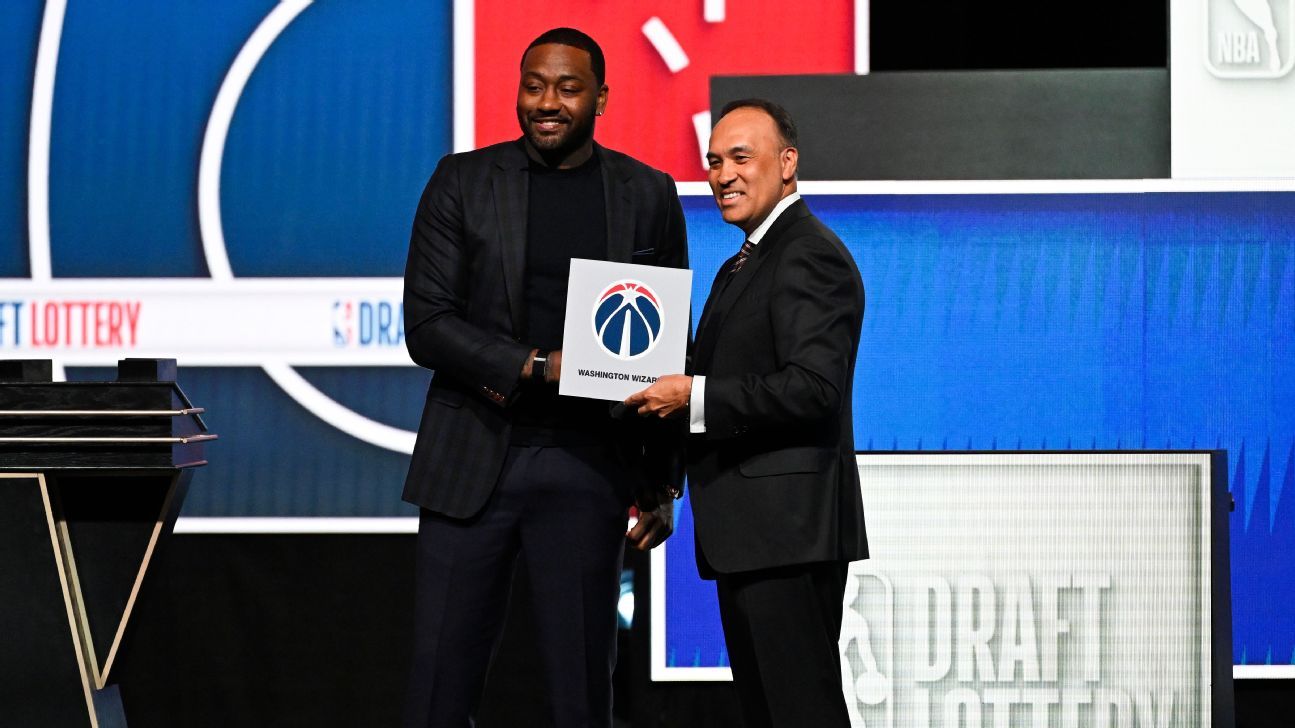
The Washington Wizards secured the No. 1 pick in the 2026 NBA draft lottery, a significant win for the team that finishe...
2026's Sci-Fi Masterpiece: A Divisive Blockbuster That Just Dethroned a Ridley Scott Classic!

The box office is buzzing with "The Devil Wears Prada 2" and "Mortal Kombat II" battling for supremacy. "Michael," a bio...
AMVCA 2026: Linda Ejiofor-Suleiman Makes History, Full Winners Revealed!

The 12th Africa Magic Viewers’ Choice Awards in Lagos celebrated a night of unprecedented triumphs, with Linda Ejiofor-S...
AMVCA 2026 Red Carpet Unveiled: Genoveva Umeh & Osas Ighodaro's Daring Looks!

The 12th Africa Magic Viewers’ Choice Awards red carpet was a spectacle of Nigerian fashion, featuring Osas Ighodaro's t...
Travel Warning: Nigeria's Tourism Sector Grapples with Security Crisis
Nigeria's travel and hospitality sector faces urgent calls for reform amidst escalating concerns over criminal exploitat...
Crisis in the Skies: Rano Air Halts Operations Amid Fuel Price Shock
Nigerian carrier Rano Air has temporarily suspended several routes following an unprecedented surge in aviation fuel pri...
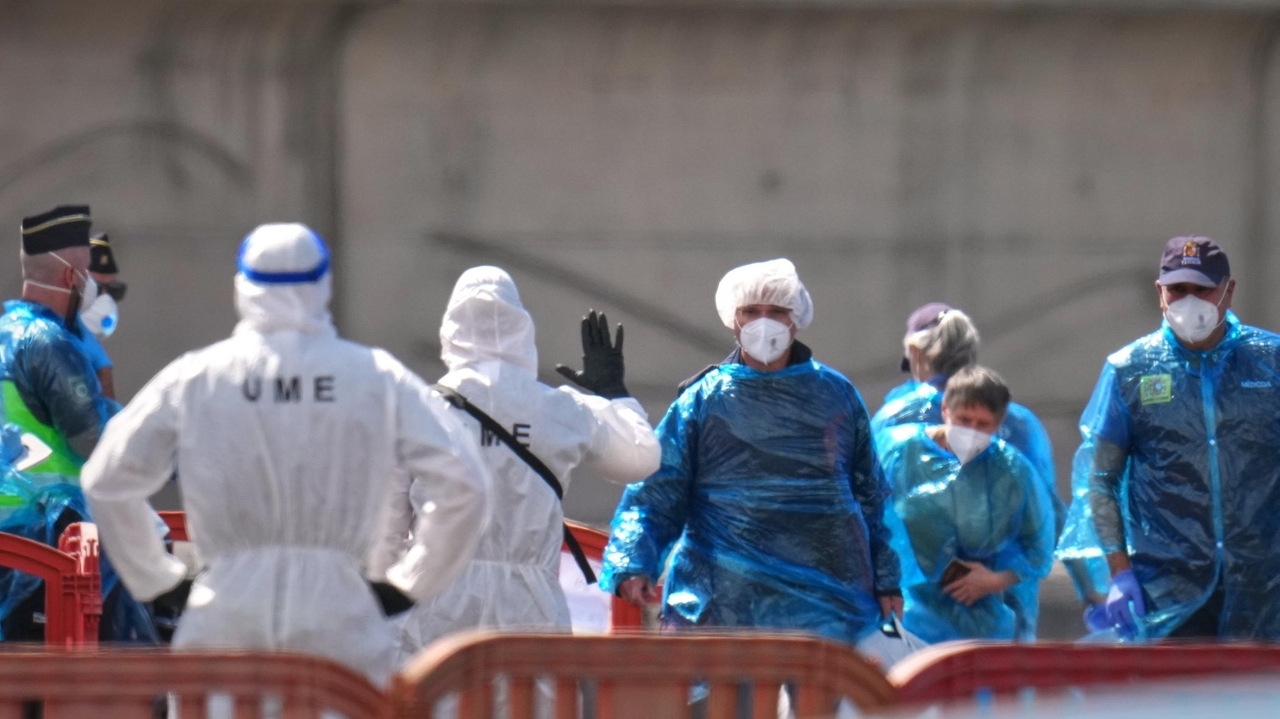
Hantavirus Crisis: Repatriation Flights and Political Firestorm Over Cruise Ship Response
keywords