The Role of Personal Hygiene in Preventing Illness
Personal hygiene is not fully personal; it is a collective effort of like minds. Read about the vital role of personal hygiene in preventing illness, highlighting overlooked environmental factors, communal sanitation issues, and the importance of consistent cleanliness for public health.
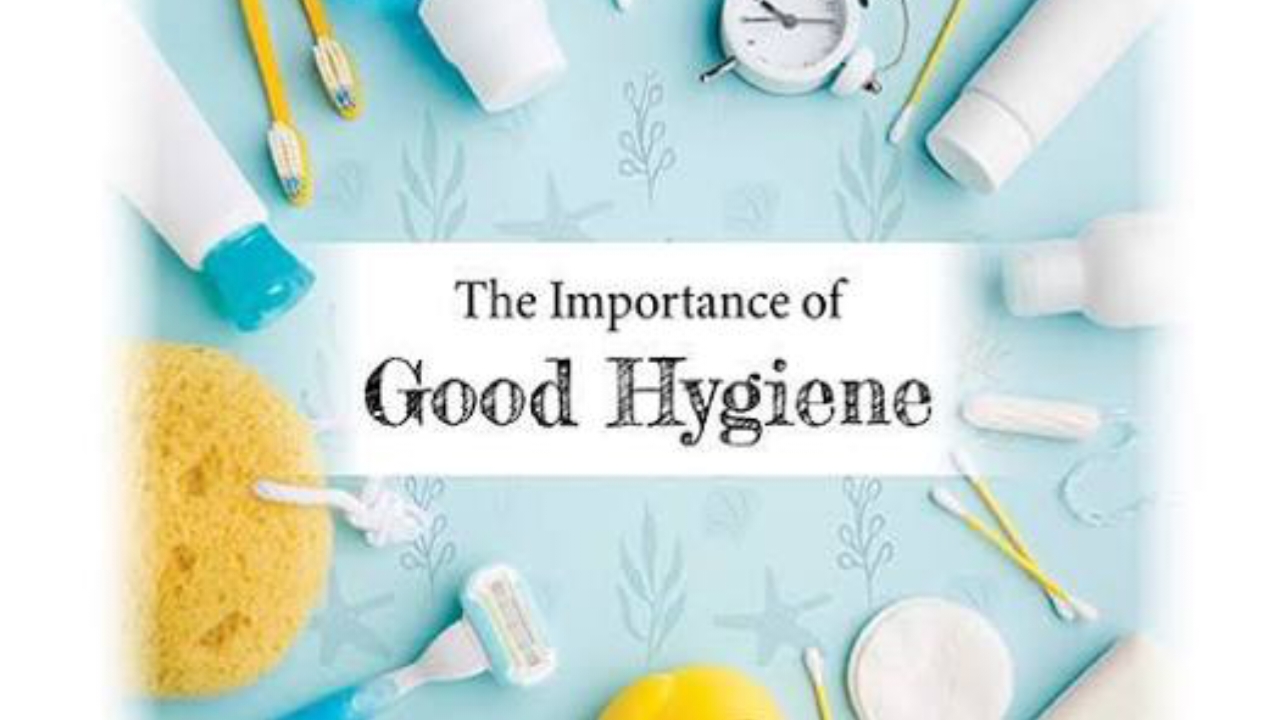
Personal hygiene is one of the most powerful yet underrated practices that we all have to do in maintaining good health and preventing disease. It forms the foundation of everyday wellness, influencing how we interact with their environment and how vulnerable we become to infections, it basically determines the overall working conditions of our bodies. While many people associate hygiene with activities like taking regular baths, brushing teeth or even smelling nice, the true idea of it extends far beyond these basic routines. Hygiene is not just only about the body but also about the spaces we live in, the habits we cultivate, the environments we tolerate, and the subtle health risks we often overlook. In an increasingly urbanized world where pathogens spread faster and living spaces are shared more densely, hygiene practices have become even more essential. To understand the true impact of personal cleanliness, one must look at hygiene not just as a habit but as a holistic lifestyle that directly influences wellness, immunity, and overall quality of life.
Understanding Personal Hygiene and Its Impact on Health
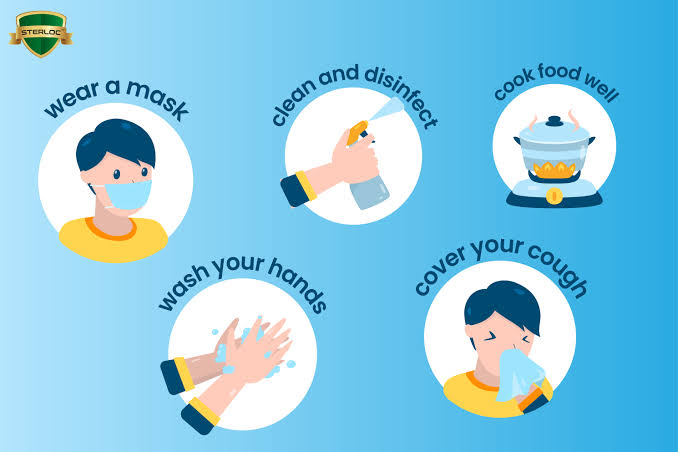
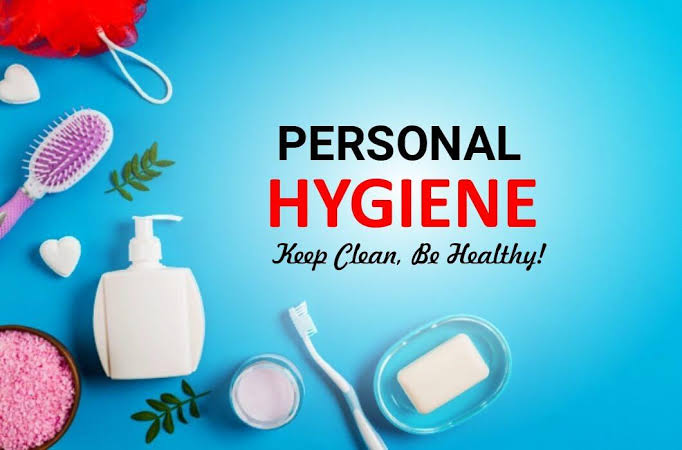
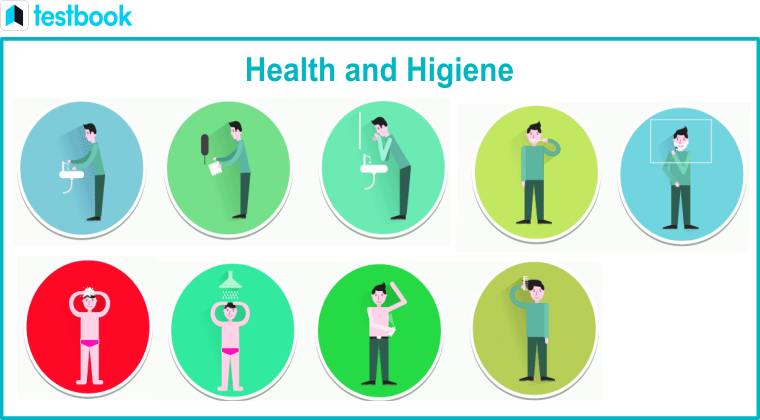
Personal hygiene simply entails the daily practices that keep the body clean and free from disease-causing germs. These include bathing, handwashing, oral care, grooming, wearing nose masks in polluted areas and clothing hygiene. At the very basis, personal hygiene serves as a protective barrier between the body and the external microorganisms that constantly attempt to invade it. The skin, hair, and nails can easily harbor harmful bacteria when poorly maintained, increasing the risk of infections such as dermatitis, fungal diseases, and respiratory illnesses. One of the most effective hygiene habits is proper handwashing, which significantly reduces the transmission of viruses that cause common colds, influenza, and gastrointestinal infections. Many of these illnesses spread through contact with contaminated surfaces, shared objects, or person-to-person interaction, making hygiene a frontline defense in public health.
However, personal hygiene goes beyond visible cleanliness. Many people overlook and underestimate the importance of hygiene practices that are not immediately noticeable, such as regular laundering of clothes, especially undergarments, maintaining clean beddings, and sanitizing frequently touched objects like mobile phones and door handles. Neglecting these practices allows germs to accumulate slowly, eventually creating an environment where infections thrive. Oral hygiene is another critical area often taken for granted. Poor dental care not only leads to tooth decay and gum disease but is also associated with heart disease, complications in pregnancy, and weakened immunity. When viewed with deep thinking and retrospect, personal hygiene is not merely about looking clean but about eliminating the silent, invisible risks that contribute to long-term illness.
The Connection Between Hygiene, Environment, and Overlooked Risks
One of the biggest misconceptions about hygiene is the belief that keeping one’s apartment or personal space clean is enough to guarantee safety. Many people fail to recognize that the broader environment outside the home also plays a major role in determining health outcomes. A clean apartment located within a dirty or poorly maintained environment still poses significant health risks, because germs, vectors, and pollutants do not recognize property boundaries. For instance, a blocked drainage system outside one’s compound invites mosquitoes, flies, and rodents, popular carriers of dengue, malaria, cholera, and leptospirosis. These vectors thrive in stagnant water and waste-filled gutters, and they can easily migrate indoors regardless of how spotless the interior of a home may be. This means that individual hygiene must extend to communal responsibility, because personal cleanliness alone cannot counter environmental hazards.
For urban communities, especially in developing regions, often face sanitation challenges that weaken the effectiveness of personal hygiene. Improper waste disposal, overcrowded living conditions, and open drains create breeding grounds for pathogens. Residents may diligently clean their homes every day, yet still suffer from recurrent infections because the air they breathe carries foul odors, microbial particles, and pollutants from nearby neglected spaces. What many people ignore is that hygiene is a chain, and the strength of that chain depends on every link. If one segment of the community fails to manage waste or maintain tidy surroundings, the entire neighborhood becomes vulnerable. This is especially true for airborne diseases and illnesses spread through insects that do not confine themselves to unclean locations.
Even within homes, overlooked hygiene practices can pose serious risks. For example, many individuals focus heavily on visible cleanliness but ignore areas like kitchen sinks, bathroom tiles, and refrigerator compartments where bacteria like E.coli and mold can thrive. In addition, maintaining good ventilation is crucial, as closed-up, humid rooms encourage the growth of fungi and contribute to respiratory infections. Personal hygiene as you can see is not a one man's task and routines must therefore integrate communal effort to aid environmental hygiene, acknowledging that wellness is holistic and interconnected. No amount of personal cleanliness can fully protect an individual from disease if the surrounding environment remains contaminated.
Why Consistent Hygiene Matters and How It Shapes Public Health
Personal hygiene is not just an individual responsibility but a public health asset, yes from private institutions, to NGOs, businesses and Governmental organizations. When people consistently engage in good hygiene practices, communities become healthier, workplaces function more effectively, and public health systems face less pressure. Global pandemic like covid 19 highlighted how basic practices like handwashing, surface sanitization, and proper respiratory etiquette can dramatically reduce the spread of infectious diseases. These practices, though simple, significantly break transmission chains, protecting vulnerable groups such as children, the elderly, and individuals with weakened immune systems. Consistent hygiene cultivates habits that reduce the prevalence of preventable illnesses, which in turn lowers medical bills, reduces school absenteeism, and enhances productivity at societal levels.
Good hygiene also influences mental and emotional well-being. Clean environments promote calmness, better sleep, and improved self-esteem. People who uphold hygiene routines often report feeling more energized, focused, and confident. On the other hand, poor hygiene can lead to social stigma, reduced quality of life, and increased stress. Additionally, the body’s immune system functions optimally when supported by proper hygiene habits, as a clean body and environment reduce the burden of pathogens the immune system must fight daily. Hygiene becomes a lifestyle that strengthens resilience, not merely an occasional practice.
In summary societies must and should embrace a more collective interpretation of hygiene, because the society is literally a collection of families and families are simply a collection of individuals, so you see it starts with you as an individual, because beyond personal habits, there must be a sincere commitment to environmental sanitation, waste management, community cleanliness programs, and public awareness about the link between environment and health and that is not possible with you and the next person beside you. Governments and communities must work hand in hand to maintain clean streets, functioning drainage systems, and proper waste disposal units. Individuals must also recognize their role in maintaining these communal spaces, because hygiene is both personal and shared. The more people understand this interconnectedness, the fewer illnesses communities will face and the less outbreaks of pandemics that will be aired on our TV's. Hygiene is ultimately a form of prevention that saves lives, resources, and entire healthcare systems from avoidable burdens.