The Role of Microbiome Health in Everyday Diet Choices
Your diet shapes the trillions of microbes in your gut. Learn how fiber, fermented foods, and balanced nutrition help maintain a healthy microbiome.
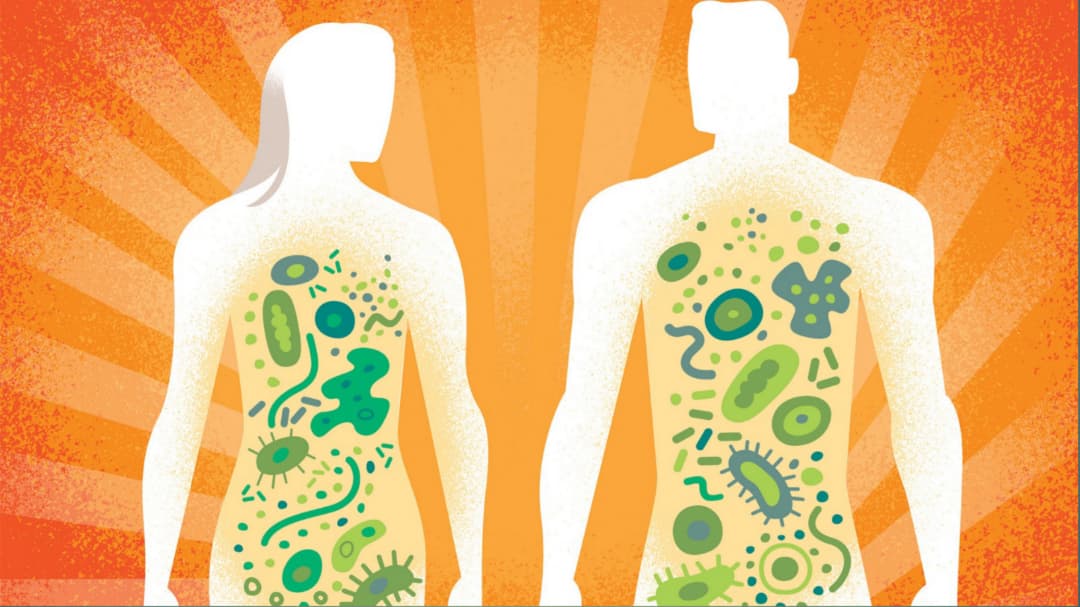
Did you know that trillions of tiny organisms live inside your gut, quietly influencing everything from digestion to mood?
This bustling community known as the gut microbiome is made up of bacteria, fungi, and other microbes that play a crucial role in maintaining your overall health.
And the food you eat every day can either nurture this microscopic ecosystem or throw it off balance.
Understanding the link between diet and microbiome health is a practical tool for improving digestion, immunity, and even mental well-being.
What Is the Microbiome?
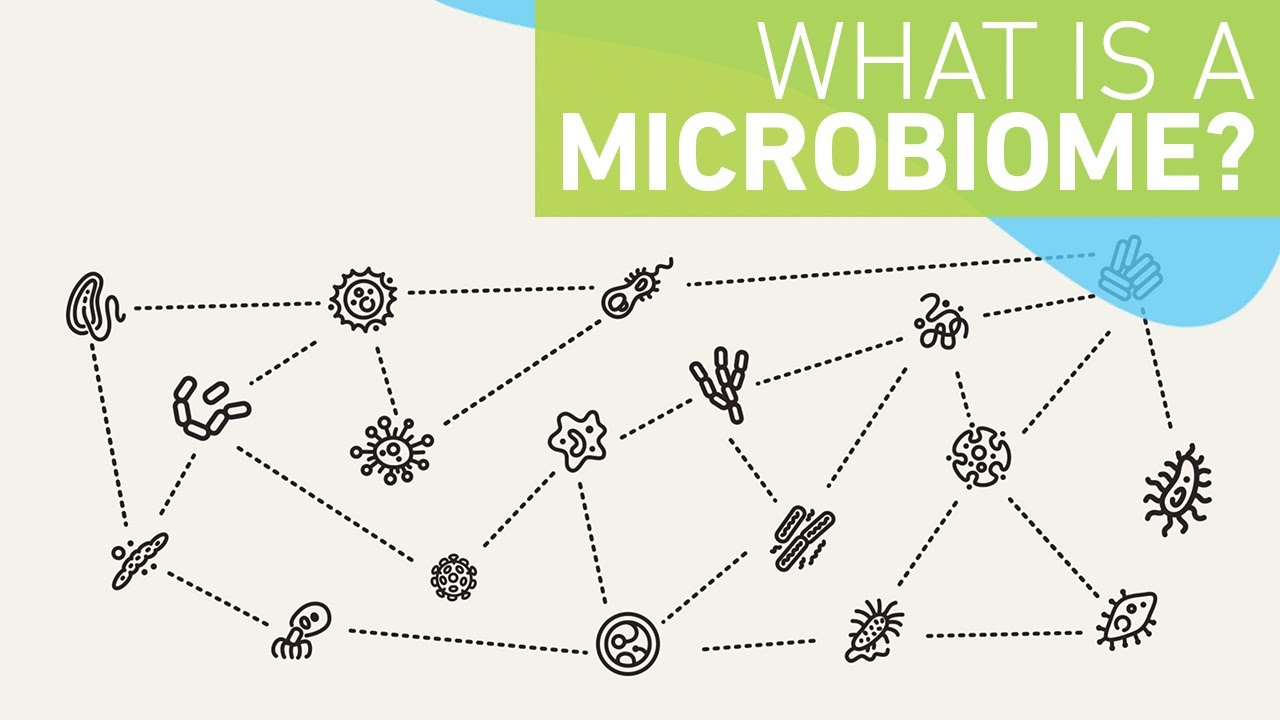
Your gut microbiome is like a garden inside your digestive system.
Some bacteria act as flowers, promoting health, while others act like weeds, potentially causing problems if they grow unchecked.
These microbes help break down foods your body can’t digest on its own, produce essential nutrients, and communicate with your immune system.
Emerging research even suggests that a healthy gut microbiome can influence your brain, affecting mood and mental clarity.
Simply put, a thriving gut microbiome is essential for a healthy body and mind. But how you eat directly determines which microbes flourish and which falter.
How Diet Shapes Your Microbiome
1. Fiber-Rich Foods: Feeding the Good Bacteria
Fiber is the ultimate superfood for your gut microbes.
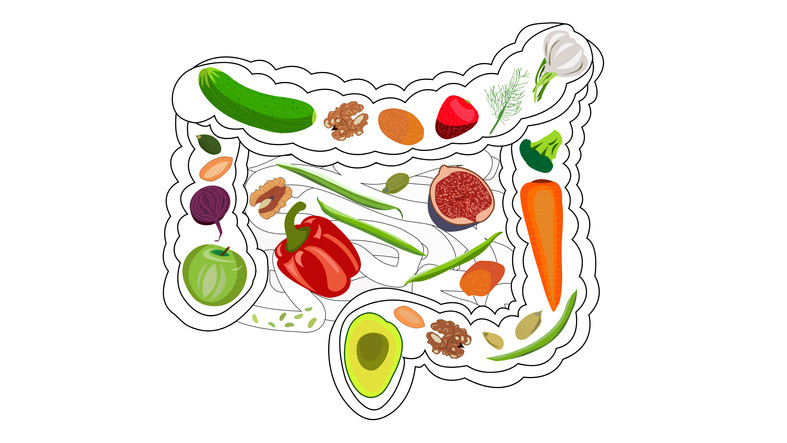
Foods like fruits, vegetables, legumes, and whole grains provide nourishment for beneficial bacteria.
When these bacteria digest fiber, they produceshort-chain fatty acids.
Including a variety of fiber-rich foods in your meals doesn’t just help your digestion, it encourages a diverse and balanced microbiome, which is key to long-term wellness.
2. Fermented Foods: Introducing Probiotics
Fermented foods, such as yogurt, kimchi, sauerkraut, and kefir, contain live probiotics that add beneficial bacteria directly to your gut.
Regularly including these foods can improve digestion, boost immunity, and even enhance nutrient absorption.
Think of them as reinforcements for your gut garden, helping good bacteria stay strong and abundant.
3. Limiting Sugar and Processed Foods
Not all bacteria are helpful.
Excess sugar, refined carbohydrates, and highly processed foods can encourage harmful bacteria to dominate.

This imbalance, sometimes called dysbiosis can lead to bloating, inflammation, and increased risk of metabolic disorders like obesity and type 2 diabetes. Moderation is key: your gut microbes thrive on natural, nutrient-rich foods rather than processed snacks and sugary drinks.
4. Diversity Matters
Eating a wide variety of foods is one of the simplest ways to maintain a healthy microbiome.
Each food type feeds different bacteria, so a diverse diet supports a diverse microbial community.
Including a rainbow of fruits, vegetables, whole grains, and proteins ensures your gut has everything it needs to stay balanced.
Practical Tips for Everyday Gut Health

Include prebiotics – Foods like garlic, onions, bananas, and asparagus act as food for good bacteria.
Add probiotics – Regularly enjoy fermented foods or consider a high-quality probiotic supplement.
Eat more fiber – Whole grains, legumes, fruits, and vegetables are essential for microbial diversity.
Limit processed foods – Cut back on added sugar, refined oils, and packaged snacks.
Stay hydrated – Water supports the mucosal lining of the gut, keeping bacteria happy and healthy.
The connection between diet and microbiome health highlights a powerful truth: what you eat matters not just for calories or nutrients, but for nurturing the trillions of microorganisms that support your well-being.
By focusing on fiber, fermented foods, variety, and moderation, you can cultivate a thriving gut microbiome, improving digestion, immunity, and even mental health.
In essence, a healthier gut starts with the choices you make at every meal.