'The Odyssey' Roars: Oscar Rule Debate and Box Office Juggernaut Status Ignites Controversy
The domestic box office saw "Michael" and "The Devil Wears Prada 2" lead, with the latter achieving significant global success. Simultaneously, the film industry grappled with controversy over the Academy's Representation and Inclusion Standards, largely fueled by Elon Musk's misinformed criticisms of Christopher Nolan's "The Odyssey" and its diverse casting, revealing how a low benchmark for diversity sparks wider debates on representation.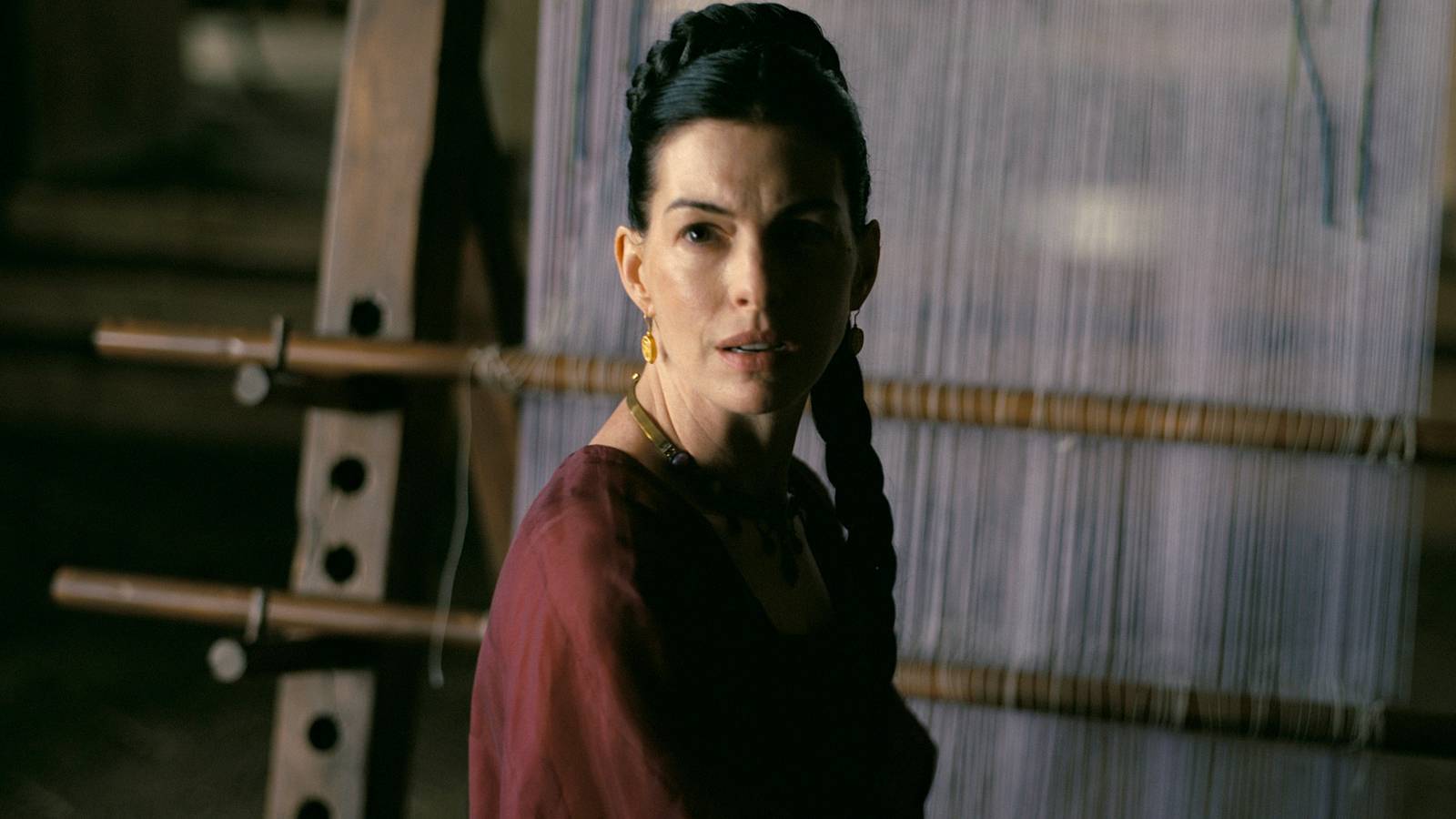
The domestic box office saw a dynamic weekend, with the Michael Jackson biopic, "Michael," reclaiming the coveted number-one spot.
Hot on its heels was "The Devil Wears Prada 2," which secured the second position. Both films significantly outperformed the previous weekend's champion, "Mortal Kombat II," which slid to fourth place, just below the burgeoning horror hit "Obsessions."
Meanwhile, "The Sheep Detectives" demonstrated a surprisingly strong hold in its second weekend, contrasting sharply with Guy Ritchie's "In the Grey," which recorded his weakest domestic box-office debut in nearly two decades.
"Michael" has now surpassed the $700 million mark, steadily advancing towards the $1 billion milestone, while "The Devil Wears Prada 2" also celebrated a majestic financial achievement.
“The Devil Wears Prada 2,” released 20 years after the original, was a big hit, earning about $550 million worldwide.
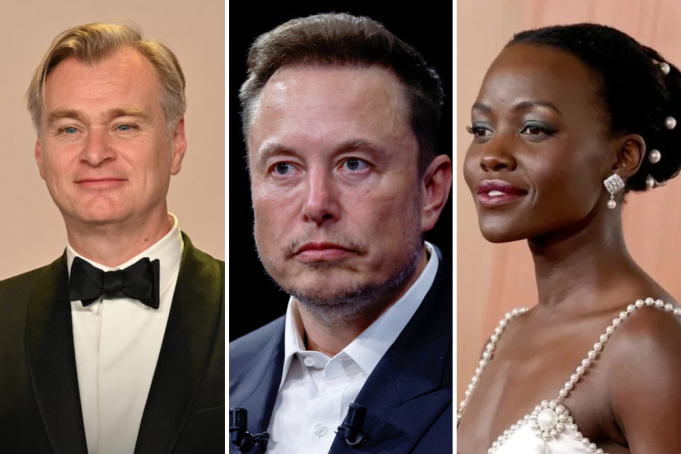
It reunited the original director, writer, and main cast, including Meryl Streep and Anne Hathaway, and cost about $100 million to make.
The film got positive reviews (78% on Rotten Tomatoes) for its performances and modern themes, and it performed better than several recent book adaptations.
The original film earned $325 million and was also well received, and Anne Hathaway will also appear in Christopher Nolan’s upcoming The Odyssey.
This upcoming project, "The Odyssey," has unexpectedly become a focal point in a broader controversy surrounding the Academy's Representation and Inclusion Standards.
These standards, which became a Best Picture requirement for the 2024 eligibility year, have drawn sharp criticism, notably from figures like Elon Musk.
Musk publicly accused Nolan of "desecrating the Odyssey" to meet what he termed "DEI lies" for Academy Award eligibility, specifically targeting the casting of Lupita Nyong’o as Helen of Troy.
However, a closer examination of the Academy's rules, as clarified by figures like Andy Samberg in 2020, reveals that such criticisms are largely misinformed.
The Academy’s Representation and Inclusion Standards require a film to meet only two of four specific criteria.
These standards are designed to encourage diversity across various aspects of filmmaking: Standard A focuses on on-screen representation (lead/significant supporting actor from an underrepresented racial or ethnic group.
A 30% ensemble from two underrepresented groups, or a storyline centered on one); Standard B pertains to the creative team and crew (department heads, broader crew, or 30% crew composition);
Standard C addresses paid apprenticeships and training within the distribution or financing company; and Standard D examines in-house senior executives or consultants involved in the company’s development, marketing, publicity, and distribution.
All 98 past Best Picture winners would meet the Academy’s current inclusion rules.
Big studios like Warner Bros. or Netflix only need to qualify once, and that applies to all their films.
Most winning films already meet the main requirements through casting or crew diversity. Overall, the rules mostly reflect what many successful movies already do, not new restrictions.

It is very hard for a film to fail these inclusion standards, and it would need an all-white cast, no women or underrepresented groups in key roles, and a distributor that doesn’t meet the required criteria.
Most major films already pass easily, including “Titanic,” “Schindler’s List,” “The Departed,” “Spotlight,” and “Oppenheimer,” and even some controversial films still qualify.
Overall, the rules are broad, so most films would meet them without issue.
The backlash, including from Elon Musk, is mainly about casting choices in films like The Odyssey, such as Lupita Nyong’o and Elliot Page. Critics say these choices show bias, even though they are both established actors.
Historically, women and people of color have been underrepresented in major film roles, especially in producing.
Overall, the standards are meant to encourage more representation in the film industry, not strictly control casting.