The Nigerian Dish We Call African Salad Has a Real Name, and It Deserves to Be Used
African salad is the name many Nigerians use, but the dish is Abacha, an Igbo cassava dish. The original name carries its history, region, and identity.
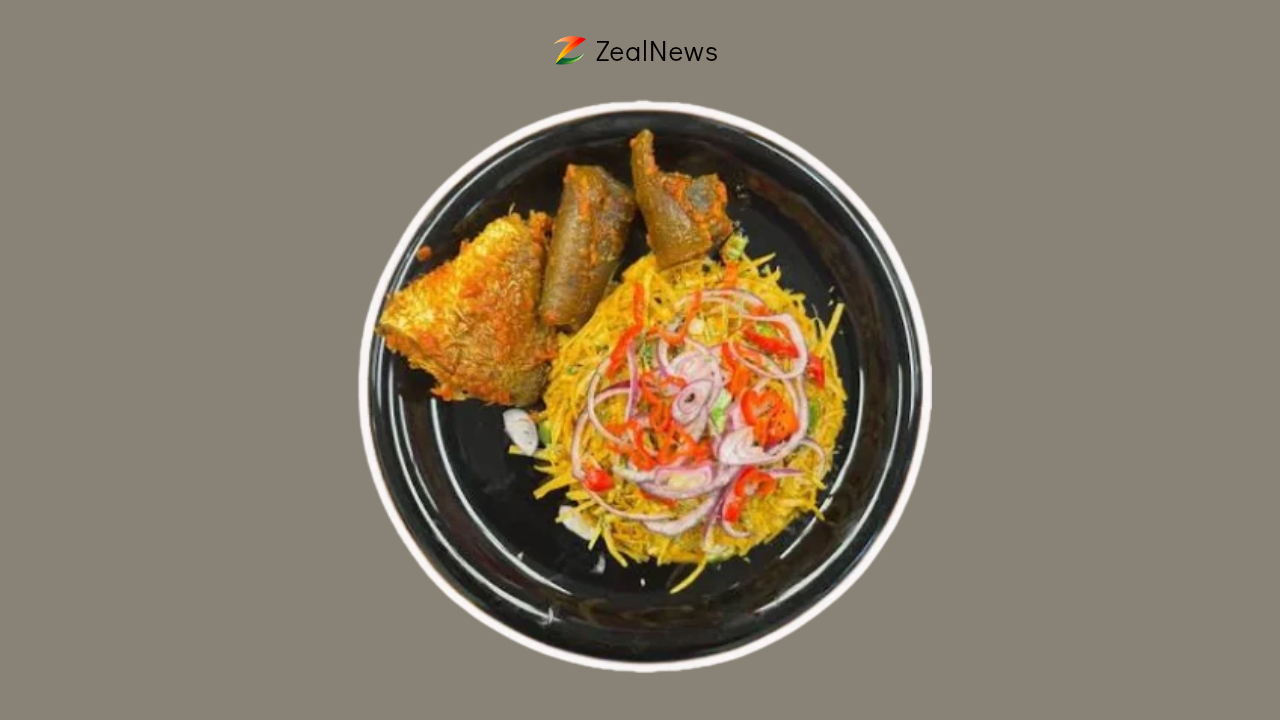
Order sushi, shawarma, or ramen in Lagos and nobody asks for a translation. Order Abacha and, in many restaurants, it arrives on the menu as "African salad." The dish is the same cassava plate that Igbo families have long prepared and served. Only the name has changed.
Abacha is the cassava dish many Nigerians know and enjoy as African salad, without always using the name from the communities it comes from. The label travels easily, but it gives away very little about the dish.
It Is Abacha, Not Just African Salad
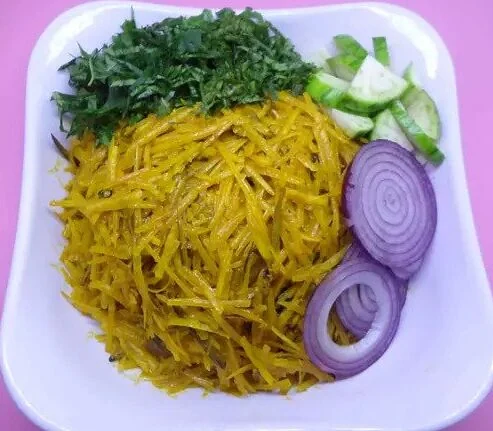
Abacha is associated with the Igbo people of south-eastern Nigeria, particularly Anambra and Enugu. Cassava is peeled, cooked, sliced into thin strips, soaked, and dried. The strips can be stored and later softened in water.
The Food and Agriculture Organization's documentation of the Igbo food system describes dried cassava mixed with palm oil, vegetables, and sometimes fermented oil bean as a local salad, with dry abacha slices as the basis for African salad.
The word "salad" can mislead anyone expecting a bowl of raw leaves. The cassava has gone through several stages of processing, and the palm-oil dressing is central to the finished dish.
A University of Benin study notes that the name African salad is thought to have come from the Igbo idea of combining fresh vegetables and other ingredients eaten without further cooking. That explains the dish to newcomers, but an explanation is not the same as a name.
Cassava originated in South America and reached Africa through Portuguese contact from the sixteenth century. Its spread through southern Nigeria was uneven: one Journal of African History study argues that cassava was hardly cultivated on the lower Niger until the early twentieth century.
The history of Abacha as a named dish is less clearly documented, so crediting one inventor or founding date would be misleading.
What "African Salad" Leaves Out
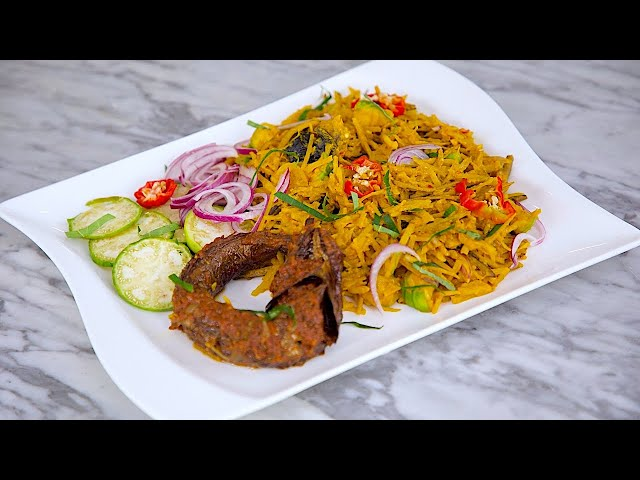
Africa is a continent of 54 countries and thousands of food cultures. A name like "African salad" suggests one dish for all of them, when many salads exist across the continent.
East Africa has kachumbari, Morocco has zaalouk, and there are others. Calling a single Igbo dish "African salad" makes it generic. The contrast with other dishes is hard to ignore.
Jollof, suya, and egusi kept their names as they moved across Nigeria and abroad. Italian pasta is not sold as "European noodles," and nobody renames shawarma "Middle Eastern wrap."Why does Abacha get a translation?
The debate is already playing out online. A BellaNaija piece argues Nigerian dishes should keep their own names, listing Abacha among them. Why "African salad" has stuck anyway is less clear.
One possible reason is perception: an English name may sound more polished on a menu, and a local name may sound too local. That is an assumption to test, not a settled fact.
The Making of a Dish, and the Name We Gave It
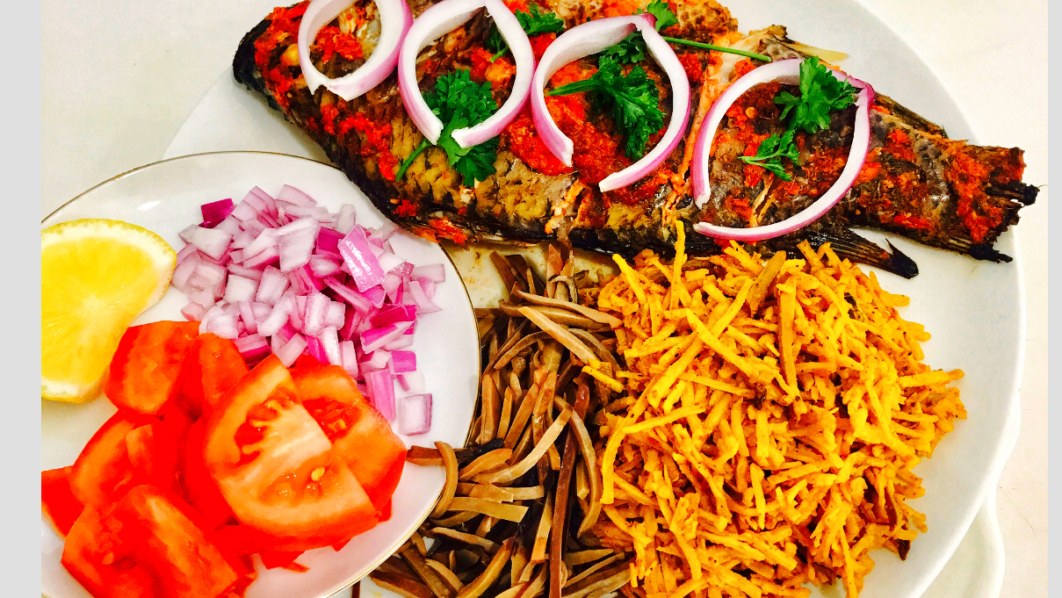
The familiar plate brings together more than cassava. Softened strands are coated in palm oil mixed with potash water, creating the characteristic yellow-orange dressing. Pepper, ground crayfish, seasoning, and ehu may be added.
Ugba, also called ukpaka, contributes fermented oil bean, while onions, garden egg, garden egg leaves, and utazi bring crunch and contrasting flavours. Fish, stockfish or kpomo may complete the plate.
The ingredients are not fixed. Some insist Abacha without ugba is incomplete; others adjust to taste, availability and budget. A family version may not look like a roadside serving or a restaurant portion outside the South-East.
From Family Gatherings to Menus Across Nigeria
Abacha is eaten as a snack, an afternoon or evening meal, and at gatherings. It appears at traditional celebrations and in South-Eastern bars, bukas and restaurants, and is now found in cities such as Lagos and Abuja. It may be served with fried fish, meat, or a cold drink. Its cassava base stays recognisable even as toppings and serving styles change.
Why the Name Matters
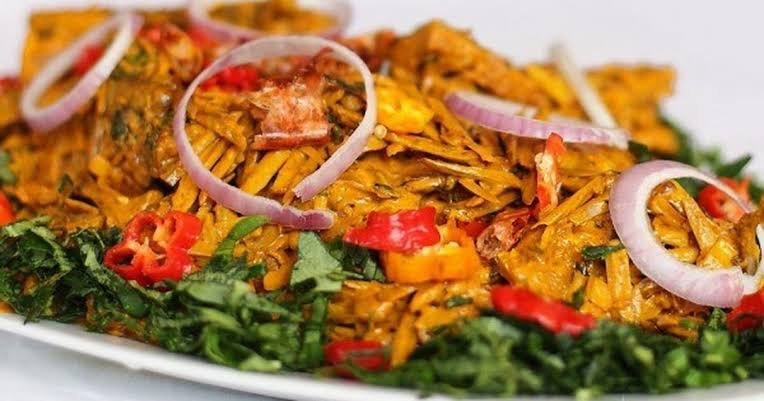
Calling it African salad is not an insult, and many who use the phrase mean no harm. It is the name familiar in many places. But a name does more than label a plate. It tells people where a dish comes from and who made it.
We can introduce Abacha as African salad to new audiences and still call it Abacha. A dish does not become less accessible because we use the name its makers know.
