The Mandela Effect: Why Millions Remember Events That Never Happened
What do you know about the Mandela Effect? Read why millions remember events differently, false memories, and the science behind our unreliable recollections.
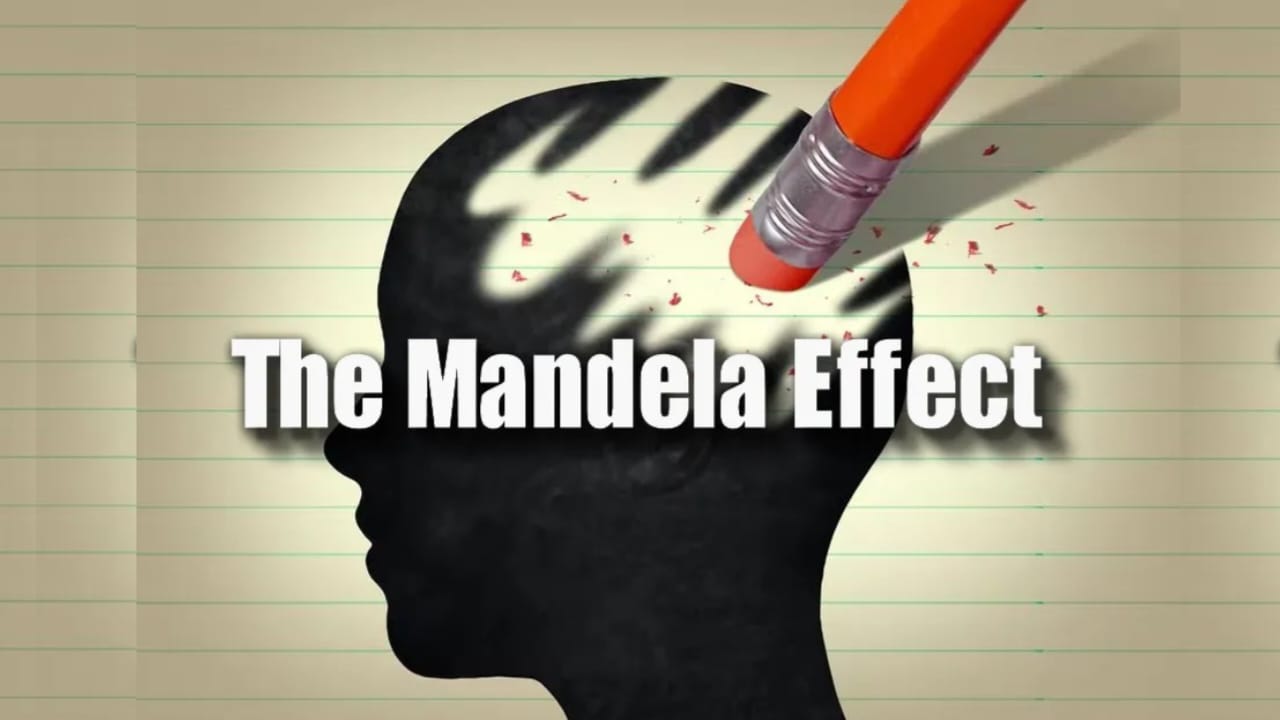
Have you ever found yourself recounting an event, confident in every detail, only to have someone else who was present remember it entirely differently? It’s a strange, unsettling experience, as if your memory is betraying you. I have experienced it more times than I can count. I remember vividly the stories my parents told me about my childhood, only to have my siblings recall the same events in ways that contradict my memories. At first, I brushed it off as the natural quirks of memory, but the more it happened, the more I began to wonder: how can so many people confidently remember events that never happened—or at least, events that unfolded differently in the minds of others? It turns out, I wasn’t alone. Millions of people across the globe have shared the same experience, a phenomenon now widely known as the Mandela Effect.
The Mandela Effect
The Mandela Effect is a collective misremembering of specific facts or events, often shared by large groups of people. It’s named after Nelson Mandela, whose death in the 1980s many individuals distinctly remembered, despite the fact that he passed away in 2013. This effect isn’t limited to high-profile deaths or political events; it extends to everyday memories, cultural phenomena, and even mundane details we believe we recall with certainty. Popular examples abound, from the Berenstain Bears, which many insist was spelled “Berenstein,” to the notorious misremembered spelling of “Febreze,” or the misquoted lines from classic movies that never quite matched the originals.
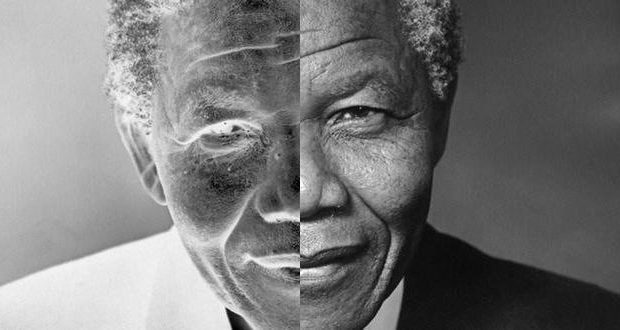
Psychologists suggest that these collective false memories arise from a combination of memory reconstruction, social reinforcement, and cognitive biases. Our brains do not store perfect, photographic snapshots of every moment; rather, memories are reconstructed each time we recall them, influenced by emotion, suggestion, and surrounding context. Social reinforcement compounds this effect: when a group repeatedly confirms a false memory, the mind tends to accept it as fact. Crowd dynamics and what some call “crowd engineering” can intensify the effect, as misinformation or misremembered narratives are amplified through repetition, discussion, or even social media platforms. Neurological phenomena such as hyperthymesia, a condition where individuals remember past experiences in vivid detail, or amnesia, which erases certain memories, can further complicate the ways we perceive reality. Even short-term memory lapses or distortions can boost the Mandela Effect, leading us to misattribute details or combine separate experiences into a single remembered event.
While the Mandela Effect has captured global attention, I began to wonder about its manifestations within Africa. African societies, rich with oral traditions, community storytelling, and historical narratives passed down through generations, present a unique lens to explore this phenomenon. Many Africans might not realize it, but instances of the Mandela Effect can be observed in our political history, popular culture, and even the everyday traditions that define our communities. I have found that elections, political scandals, and the deaths of notable figures are frequently recalled differently by citizens, depending on which media sources they followed or which community they belong to. Similarly, popular culture, films, music, and sporting events, offers fertile ground for misremembered events. Perhaps you recall your country being attributed to something in a certain way, only to find footage online that contradicts your memory entirely. Social media accelerates this, as viral posts and memes often reinforce narratives that diverge from reality.
The Mandela Effect can also manifest in more personal, intimate ways. I have recalled various certain memories from my childhood and oftentimes the details of my memories often defer from that of my siblings, they remembered the same stories differently. And they usually bring questions like if my memories were inaccurate, or maybe theirs what was inaccurate. Could my brain have unconsciously reformulated part of the story to make me feel better, or is this a reflection of how memory and consciousness interact in ways we do not fully understand? The discrepancies are fascinating, especially when you consider how gossip, storytelling, and even deliberate embellishments by others can dilute events and shape collective perception. One person’s recollection becomes the dominant narrative, subtly influencing how others remember the same moment.
The Science Behind False Memories
Understanding the Mandela Effect requires a look at the science behind memory itself. Memories are not static recordings; they are dynamic reconstructions, susceptible to distortion and changes. Neuroscience identifies the hippocampus as central to memory formation, yet even this crucial structure is limited in accuracy. Cognitive biases, our brain’s shortcuts for processing complex information, can further warp memory, allowing events to be misremembered without our conscious awareness. Memory decay and changes over time introduces additional errors, and when collective reinforcement is involved, entire communities may adopt false recollections as truth. Social media, group discussions, and repetitive storytelling magnify these distortions, creating powerful illusions of shared experience.
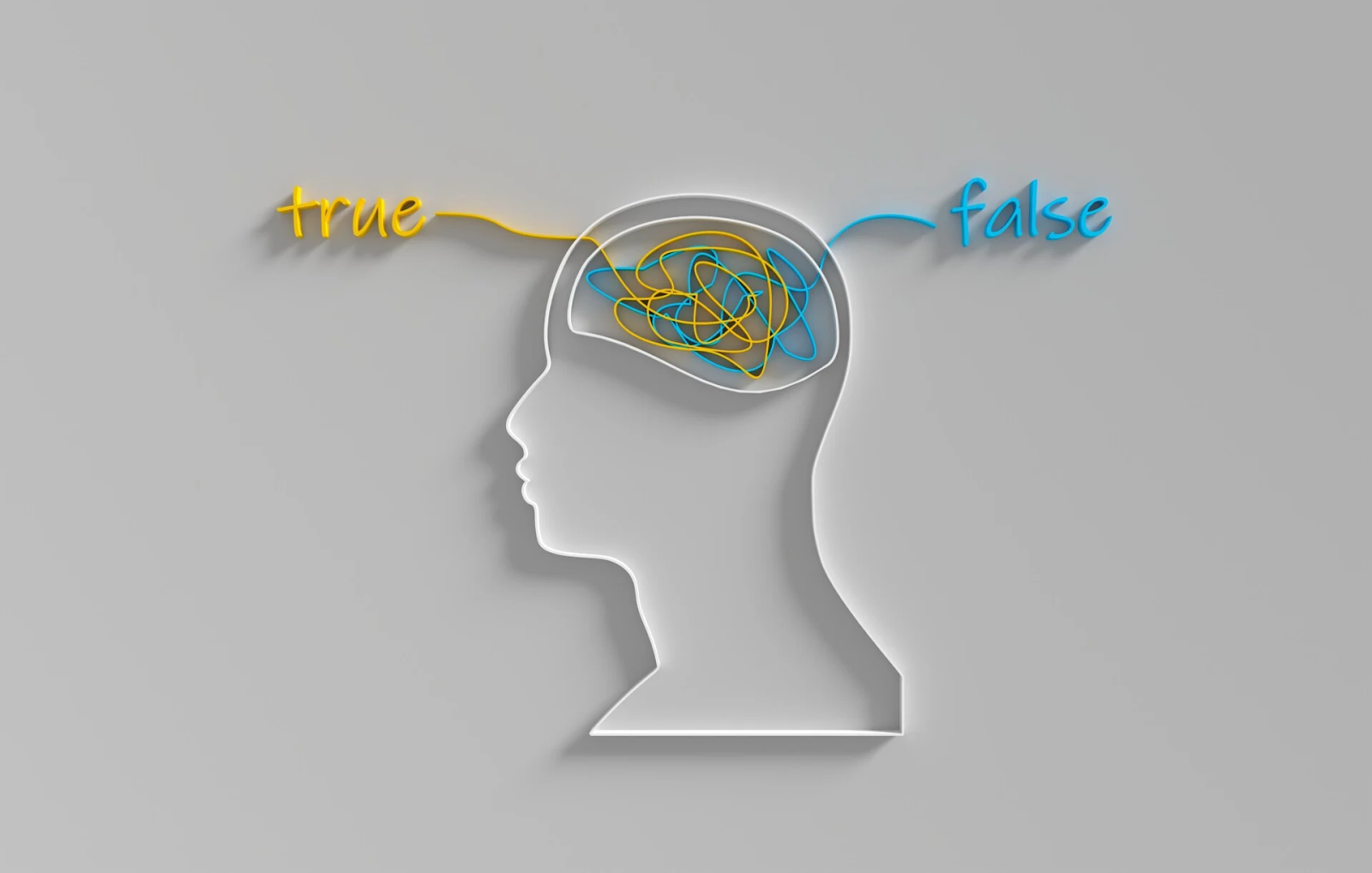
Interestingly, some theories venture into the speculative. Parallel universes, alternate timelines, and conspiracy theories are often invoked to explain the Mandela Effect. While these ideas remain scientifically unverified, they capture the imagination and help contextualize why people might feel strongly about events that never happened. In African society, such speculation often blends with cultural interpretations, myths, and folklore, further blurring the line between memory and imagination. A story about a village festival might morph over decades, combining multiple events into one, only to be remembered differently by each generation. These collective distortions are both fascinating and deeply human.
Real-world Implications
The Mandela Effect is not merely an intellectual curiosity; it has real-world implications, particularly in Africa. Historical memory can be manipulated or misremembered, affecting how communities perceive their own past and how they relate with other communities. Political narratives and public perception are especially vulnerable. Misremembered election results or distorted accounts of political events can influence opinions, shape voting behavior, and even fuel unrest. Similarly, community traditions, passed down orally for generations, are subject to reinterpretation, misinterpretation and distortion. Viral social media trends amplify this, as content spreads rapidly, often divorcing events from their actual context. Even celebrity scandals, sporting outcomes, or viral cultural phenomena are subject to mass misremembering, highlighting the pervasiveness of the Mandela Effect in our society.
Consider a widely misremembered political event: maybe the announcement of election results in your city, a celebrity scandal, or even a rumor about a situation that happened several years ago. Many residents would recall the outcome differently depending on the media reports they followed, conversations they overheard, or rumors circulating at the time around them. This discrepancy illustrates how collective memory can diverge from documented reality, and how the Mandela Effect, in subtle ways, shapes both personal and societal understanding of history.
Conclusion
As I reflect on my own experiences and the countless stories shared by others, I am struck by the power and complexity of memory. It is both a gift and a trap, allowing us to relive cherished moments while simultaneously deceiving us. I have come to realize that when I recount events from decades ago, I cannot be certain whether I am telling the story as it happened or as my brain has reconstructed it over time. Each memory is a blend of experience, imagination, influence, and perception. The Mandela Effect challenges us to question the reliability of what we remember and to acknowledge that memory is as much about who we are as it is about what we have seen.
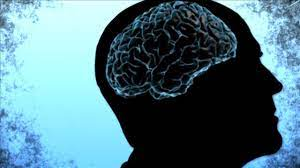

Next time you are convinced you remember an event from years ago, ask yourself: did it really happen, or is your mind playing tricks on you? More importantly, consider whether you are sharing the story you recall, or merely part of it. Have you experienced the Mandela Effect? Perhaps a childhood memory has suddenly appeared in your mind in vivid detail, only to be contradicted by someone else’s account. Or maybe a public event, a political announcement, or a social media trend seems different in your memory than in documented records. These moments are not just curiosities, they are windows into the workings of the human mind, revealing how collective experience, perception, and imagination intertwine.
In all, the Mandela Effect is a humbling reminder of the fragility and malleability of memory. It reminds us that reality is not always as fixed as it seems, and that our personal recollections, though vivid and convincing, are subject to the subtle influence of time, society, and culture. African societies, with their rich traditions, communal storytelling, and vibrant cultural histories, offer fertile ground to explore and understand this phenomenon. Each memory, whether shared or disputed, becomes part of a larger tapestry that shapes how we understand ourselves and our world. The Mandela Effect is not merely a quirk of the human mind; it is a mirror reflecting the collective, imaginative, and sometimes contradictory nature of human experience.
So think about it, reflect on your own memories. Which of them are true, which have been reshaped, and which might exist only in the shared imagination of those around you? Memory is a living, breathing phenomenon, constantly evolving, and the Mandela Effect reminds us that what we remember is never simply a record of the past, it is a story, a construction, and a mystery, waiting to be explored.