The Growing Threat of SIM Swap Fraud And Identity Theft in Africa’s Digital Economy
Africa leads the world in mobile money innovation, but a surge in SIM swap attacks and identity theft is turning that success into a growing cybercrime crisis worth billions. Here’s how fraudsters are exploiting the continent’s digital finance boom and why millions of users remain vulnerable.
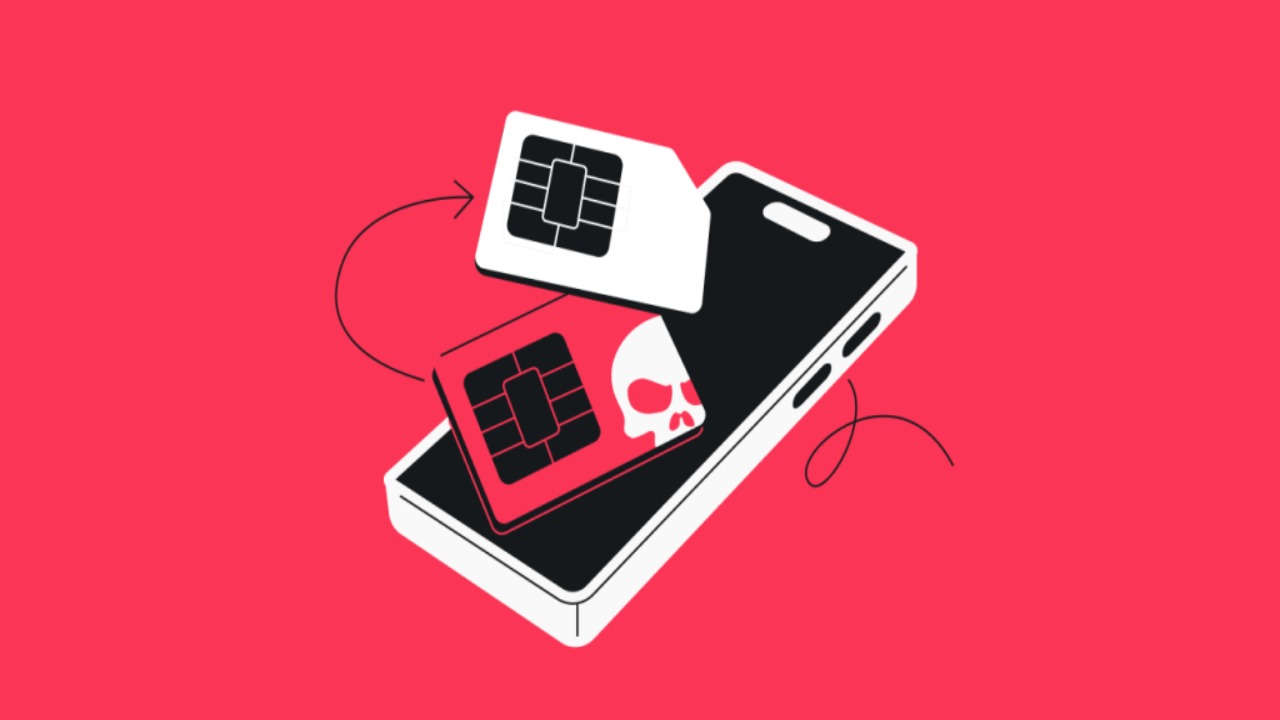
In the early hours of the morning, long before sunrise, a phone vibrates on a bedside table.
The message looks legitimate. A bank logo, a warning about unusual activity, and a link asking the customer to verify their account immediately.
Still half asleep, the recipient taps it.
Within minutes, their mobile money balance is gone.
Stories like this circulate daily across Africa. Some begin with phishing messages, others with phone calls impersonating customer service agents.
Many end the same way: an emptied account, a disabled SIM card, and a victim trying to understand how their financial life disappeared overnight.
The names change. The cities change. The pattern rarely does.
What makes the problem especially troubling is that it exists within one of Africa’s greatest modern achievements; the mobile money revolution.
A Financial Breakthrough With Global Influence
In just over a decade, Africa has reshaped how millions of people interact with money. Mobile payment systems have replaced traditional banking for vast parts of the population, allowing users to send and receive funds with nothing more than a basic phone.
Today, the continent accounts for the majority of mobile money activity worldwide. Digital wallets and phone-based payment platforms handle trillions of dollars in transactions annually across Sub-Saharan Africa.

Countries like Kenya demonstrate just how deeply this system has embedded itself into everyday life. Services such as M-Pesa are used to pay rent, send remittances, buy groceries, and cover hospital bills.
For millions of people who never had access to a traditional bank account, mobile money opened the door to formal financial services for the first time.
Yet the speed of this transformation has created vulnerabilities that criminals are increasingly exploiting.
In Africa’s mobile-first financial ecosystem, a person’s identity is often inseparable from their phone number. That single number connects banking apps, payment platforms, and verification systems.
Latest Tech News
Decode Africa's Digital Transformation
From Startups to Fintech Hubs - We Cover It All.
Cybercriminals understand this.
Instead of breaking into banks directly, many attacks now focus on stealing or hijacking identities. Once that happens, gaining access to digital wallets or financial services becomes far easier.
Experts estimate that identity-related crimes make up a large share of digital financial fraud on the continent, costing billions of dollars every year.
The impact can be devastating. Unlike in countries where stolen credit card charges can be quickly reversed, victims of identity theft in Africa often face long battles trying to recover lost funds, if recovery is possible at all.
The Quiet Rise of SIM Swap Fraud
One of the most effective techniques criminals use is known as SIM swapping.

The concept is simple. A fraudster convinces a mobile network provider to transfer someone’s phone number to a new SIM card. Once that happens, every message, authentication code, and banking alert linked to the number is redirected to the attacker.
With access to those messages, criminals can reset passwords, approve transactions, and move funds within minutes.
In some cases, the process is completed before the victim even realises their phone has stopped working.
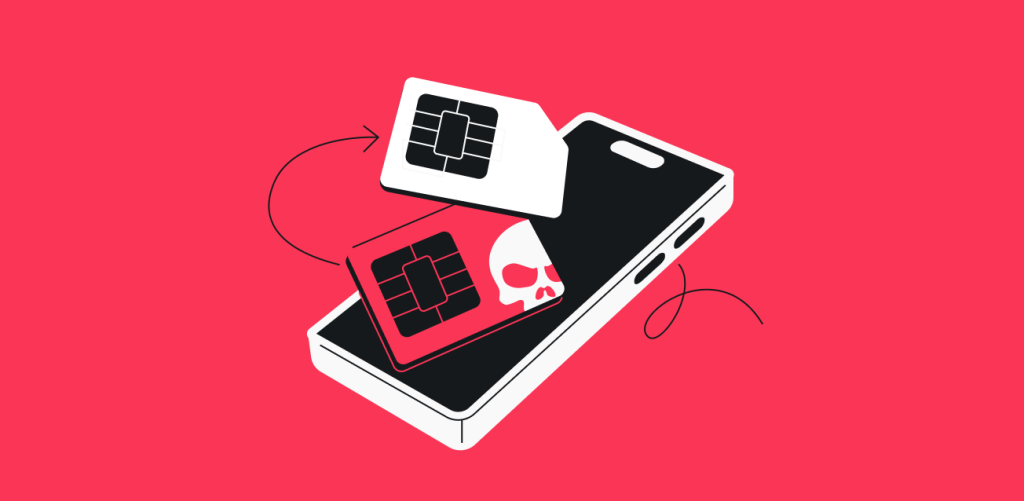
Telecommunications companies across the continent have acknowledged incidents involving SIM-swap fraud, though the full scale of the problem is difficult to measure.
Many victims never report what happened, either because they believe recovery is unlikely or because they are unsure where to begin.
A Growing Threat Across Multiple Economies
The financial damage caused by digital fraud continues to rise across Africa.
In Nigeria, reports show that financial institutions lose billions of naira to fraudulent activities every year. Meanwhile, cyber threats targeting digital payment systems have surged in Kenya, where mobile money services dominate daily transactions.
Even in South Africa, which has one of the continent’s most advanced banking sectors; cases of digital banking fraud have climbed sharply in recent years.
International law enforcement bodies such as INTERPOL estimate that cybercrime across Africa now costs several billion dollars annually.
And the true figure could be far higher.
The Human Factor Inside Mobile Money Networks
Latest Tech News
Decode Africa's Digital Transformation
From Startups to Fintech Hubs - We Cover It All.
Another vulnerability lies within the physical infrastructure supporting digital payments: the network of mobile money agents.
These agents act as the bridge between cash and digital currency. Customers visit their kiosks to deposit money into mobile wallets or withdraw funds when needed.

The system works because it is accessible and convenient. But the reliance on human intermediaries also introduces risk.
In some cases, agents have been implicated in fraud schemes or manipulated by criminals using deception and social engineering tactics. Others simply lack the training to recognise suspicious transactions.
There have been attempts to address this issue. Training programs in countries such as Tanzania have shown that educating agents on fraud detection can significantly reduce financial crime.
But similar initiatives have not yet been widely adopted across the continent.
A Race Between Innovation And Security
Africa’s mobile money ecosystem represents one of the most significant financial innovations of the past two decades.
It has expanded access to financial services faster than many experts once believed possible.
At the same time, the systems that protect those services are struggling to keep pace with the creativity of cybercriminals.
The challenge now facing regulators, fintech companies, and telecommunications providers is already obvious; all that’s left is to strengthen security without slowing the progress that made mobile money such a powerful tool for financial inclusion.
Because for millions of people across the continent, a phone is no longer just a communication device.
It is their bank.