The Double-Edged Sword of Streaming and Accessibility for Fairness
Streaming has made music accessible worldwide, but at what cost to artists? An exploration of revenue disparity, virality, and Africa’s streaming reality.
Streaming across various platforms was sold to creators as an opportunity for freedom, a system designed to reward craft without borders and music was no exception.
Streaming gave songs wings to travel globally, playlists are being curated daily without gatekeepers, and discovery happening without record labels knocking first to announce a release or a hit song.
For listeners, it worked and is still working. You paid for a service and got what you paid for. For artists—especially those in Africa—the story is far more complicated.
Today, a song recorded in a bedroom, whether by a household name or an upcoming artist, can be heard in Lagos, London, Toront o, or Tokyo within seconds, with the right tools and promotion of course.
And that in itself is power—the power to own your craft and monetize it. But power without fair compensation quickly becomes a burden.
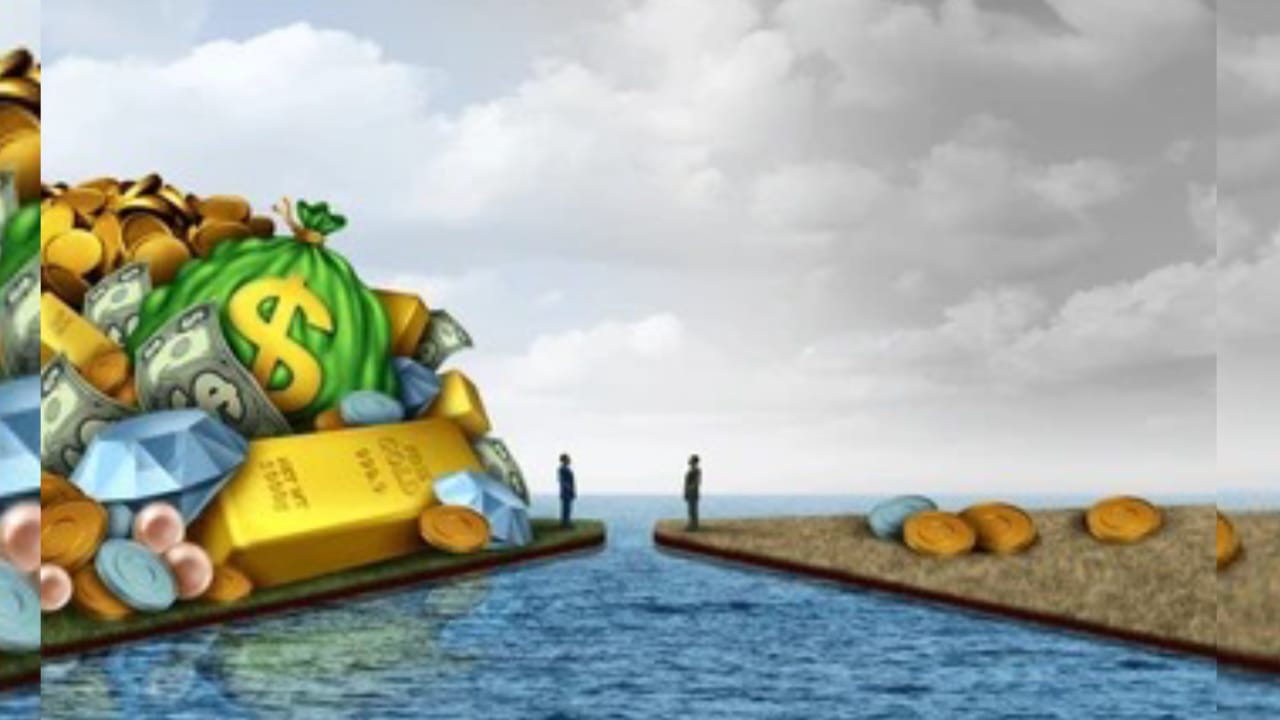
Across streaming platforms, a widening gap in artist remuneration has quietly deepened the economic divide between artists at the top and everyone else trying to climb. This is the paradox of modern music: everyone can be heard, but very few are actually paid well for their craft.
Accessibility to Fair Pay
The truth is clear: global accessibility does not come with equal reward.
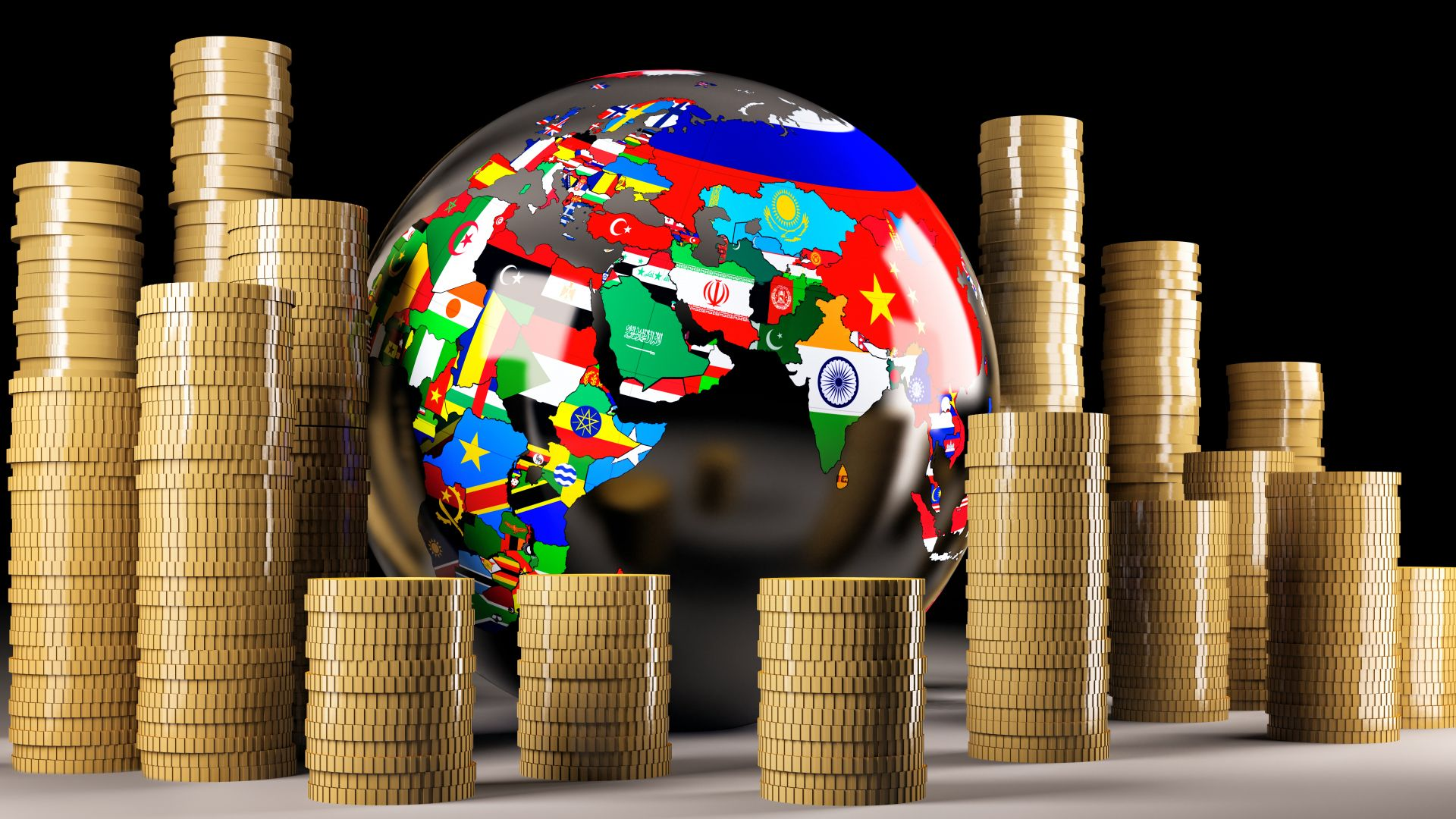
At the center of this issue is a significant streaming revenue disparity between Africa and regions like North America and Europe. Artists typically earn far less per stream from African audiences due to local economic realities and localized platform pricing models.

The difference is stark. Reports show that one million streams from Nigeria or other parts of Africa may earn an artist roughly $300 to $400. That same number of streams from the United States or the United Kingdom could generate between $3,000 and $4,000, and in some high-paying markets like Sweden, up to $10,000.
In plain terms, 50,000 streams in the UK can generate the same revenue as 1.5 million streams in Nigeria. African artists are forced to work several times harder to earn what their global counterparts make with fewer plays.

Streaming revenue is built on volume, but when the value assigned to that volume is unequal, the fairness of the market must be questioned. Fractions of a cent per stream mean that unless an artist consistently racks up millions of plays, earnings remain discouraging.
For many African artists, especially independent or lesser-known ones, this reality is harsher. Structural disadvantages, weaker local advertising markets, currency disparities, and limited playlist inclusion compound the problem. Geography, once irrelevant in the digital age, quietly returned through monetization models.
Streaming may be democratized in access, but profit remains centralized.
Africa’s Streaming Reality: Growth Without Fair Pay
It is important to note that this revenue gap is driven less by intentional discrimination and more by economic and infrastructural realities. Streaming platforms apply localized pricing models that reflect regional purchasing power. Subscription fees in countries like Nigeria are significantly lower than those in the US or UK.
A service that costs under a dollar per month cannot generate the same per-stream value as one priced at ten dollars. This disparity is further widened by currency valuation, as payouts are often calculated in dollar equivalents, reducing real income when converted into weaker local currencies.
But there is an uncomfortable question lurking before the corners waiting to be asked: If local subscription prices are to blame, what about international streams? What about advertising revenue? With Nigerian and other top African artists featured on over 250 million playlists worldwide, why does their revenue still pale in comparison to their international peers?
Also usage patterns also matter. A large portion of African streaming occurs through ad-supported free tiers, which generate far less revenue than premium subscriptions. High data costs and inconsistent internet access limit sustained, high-volume streaming, reducing overall market value despite growing listener numbers.
Additionally, weak royalty tracking systems and inefficiencies within some local Collective Management Organisations lead to revenue leakage, money generated but never fully reaching the creators.
As African music gains global popularity and cultural influence, financial sustainability should increasingly depend on rewarding the efforts of artists and music creators irrespective of the market rather than silently creating a revenue gap.
Africa’s music is booming and gaining widespread attention. Afrobeats and other African genres are dominating global charts and shaping pop culture worldwide, yet the creators behind these sounds often receive the smallest share of the revenue.
This is not a talent problem. It is an economic structure problem, one that demands serious attention.
Streaming platforms operate on global systems that do not account for regional inequality. The same model that sustains an artist in New York or Sweden struggles to support one in Nairobi or Accra. Accessibility without fairness begins to resemble extraction dressed as opportunity.
So, Where Does This Leave the Artist?
Streaming is not the villain, but it is not the savior either. It is a powerful but flawed tool, one that needs systematic reform to offer fairer outcomes.
For African artists, especially the not so popular ones, the uncomfortable truth is that the current bias in streaming cannot be relied upon for sustainable income. It is only one piece of a larger puzzle.
Community building, live performances, licensing, brand partnerships, and direct fan engagement matter now more than ever.
For the industry, the question is urgent: how long can a system survive when creators are celebrated but consistently underpaid?
Streaming opened the door to global access, but it seems to me that it forgot to level the floor and put everyone on the same plane.