The Devastating Earthquake in the Philippines: Impact, Response, and Recovery
A powerful earthquake has shaken the Philippines, leaving destruction, loss, and thousands displaced. As communities fight to recover, the disaster serves as a stark reminder of the importance of preparedness, resilience, and hope in the face of tragedy.
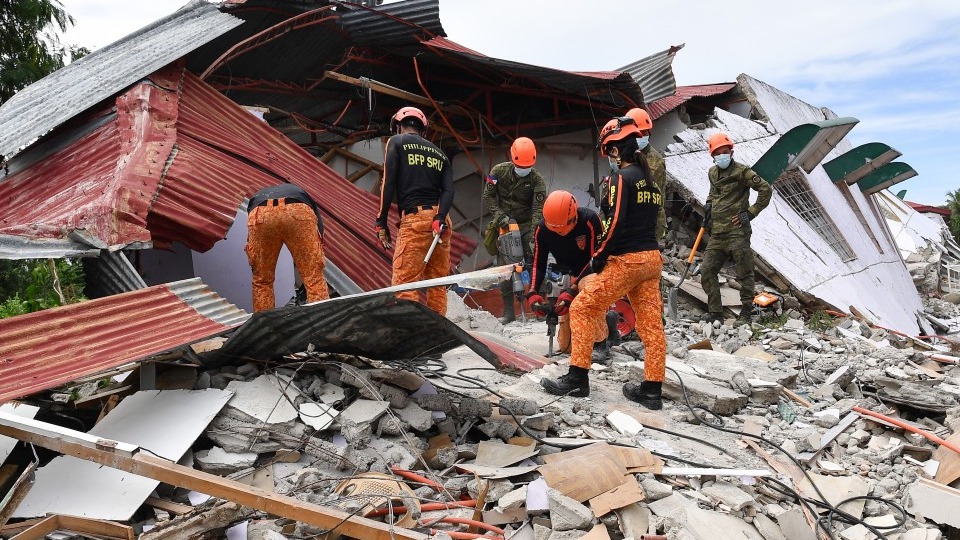
A powerful 7.8-magnitude earthquake struck the southern Philippines on June 8, 2026, sending shockwaves across Mindanao and neighboring regions.
The earthquake, which occurred offshore near Sarangani Province, was one of the strongest seismic events to hit the country in recent years.
Its immense force caused buildings to collapse, roads and bridges to crack, and power and communication networks to be severely disrupted.
The cities and communities closest to the epicenter experienced the greatest destruction, with residents forced to flee their homes as the ground shook violently.
The disaster resulted in significant loss of life and left hundreds of people injured, and hospitals in affected areas faced an influx of patients requiring urgent medical attention, while rescue teams worked tirelessly to search for survivors trapped beneath collapsed structures.
Thousands of families were displaced as homes were destroyed or deemed unsafe, forcing many residents to seek shelter in evacuation centers and temporary camps established by local authorities and humanitarian organizations.
Following the earthquake, authorities issued tsunami warnings for coastal communities and evacuated residents as a precaution.
Although the tsunami threat later decreased, frequent aftershocks continued to cause fear and disrupt rescue operations.
The disaster also affected the economy, with businesses closing temporarily, transportation disrupted, and public infrastructure damaged.
Rebuilding homes, schools, hospitals, and other facilities is expected to require significant resources.
The earthquake highlights the Philippines' vulnerability due to its location along the Pacific Ring of Fire, where earthquakes are common.
It underscores the need for stronger infrastructure, improved emergency response systems, and greater public awareness of disaster preparedness.
As recovery efforts continue, the resilience of the Filipino people remains evident, and with support from government agencies, volunteers, and aid organizations, affected communities are working toward rebuilding and becoming more prepared for future disasters.
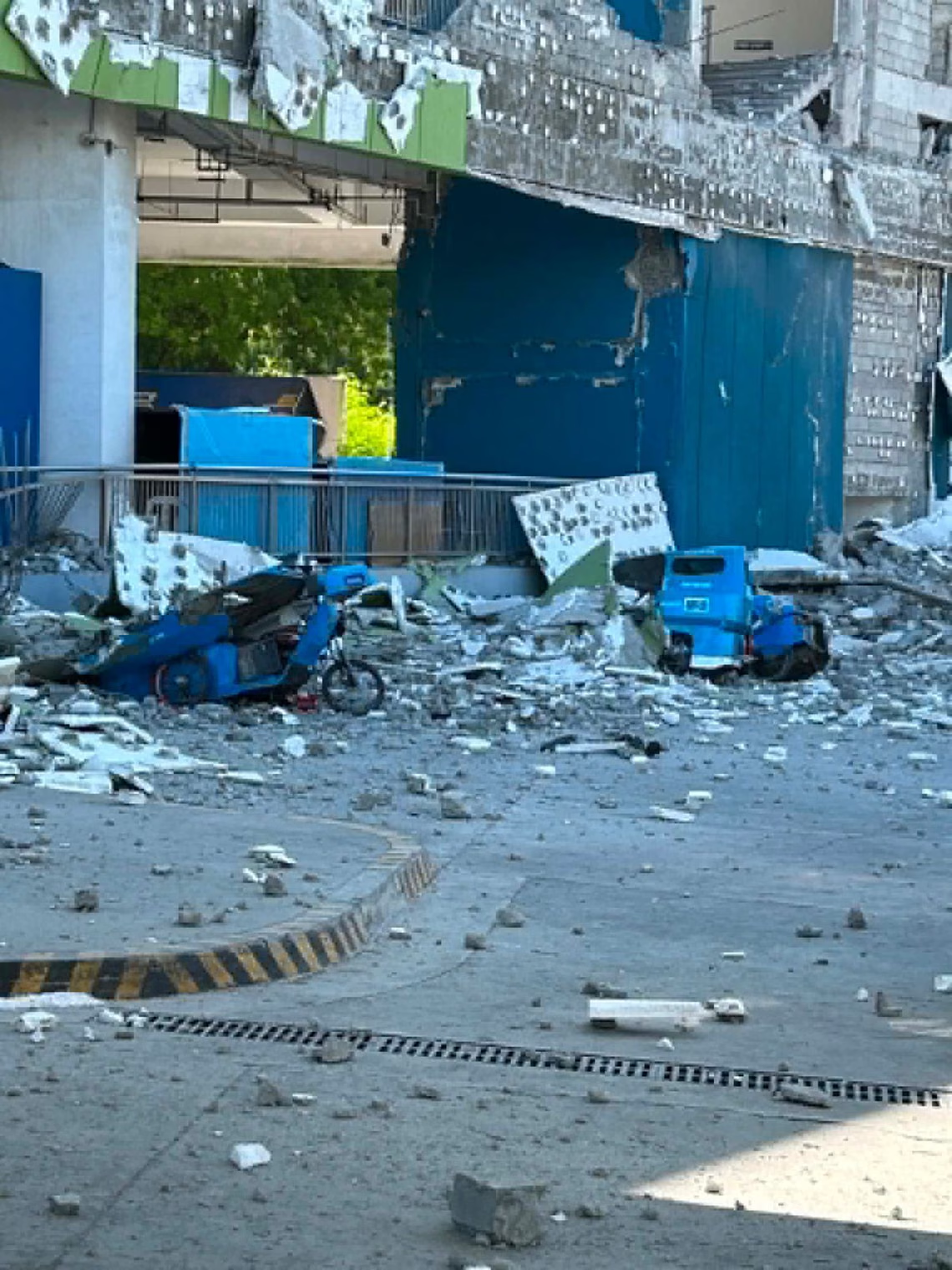
The Earthquake and Its Immediate Effects
The earthquake occurred offshore near Sarangani Province and was felt across large parts of Mindanao and even in neighboring countries.
The powerful tremor lasted for several seconds, causing widespread panic as residents rushed out of homes, schools, offices, and commercial buildings in search of safety.
Many people described the shaking as intense and frightening, with furniture toppling over and walls cracking under the force of the quake.
The immediate impact was severe in areas closest to the epicenter, and several buildings suffered structural damage, while some older structures collapsed completely.
Roads developed large cracks, making transportation difficult and slowing emergency response efforts.

Power lines and communication networks were also affected, leaving some communities without electricity and making it difficult for residents to contact loved ones or receive emergency information.
Essential services such as water supply, healthcare facilities, and transportation systems experienced disruptions.
Hospitals and emergency centers were quickly overwhelmed as injured residents sought medical assistance.
Schools and government offices were temporarily closed to assess structural safety and prevent further risks.
Fear and uncertainty spread throughout the affected region as aftershocks followed the main earthquake.
Many residents chose to remain outdoors or stay in evacuation centers, worried that additional tremors could cause more buildings to collapse.
The immediate aftermath of the disaster highlighted both the destructive power of earthquakes and the urgent need for effective emergency response and disaster preparedness measures in vulnerable communities.
Humanitarian Impact and Emergency Response
The earthquake caused a significant humanitarian crisis, leaving dozens of people dead, hundreds injured, and thousands displaced from their homes.
Families who lost their houses were forced to seek refuge in evacuation centers, temporary shelters, and public buildings.
Many survivors were left without access to basic necessities such as food, clean water, electricity, and medical care during the immediate aftermath of the disaster.
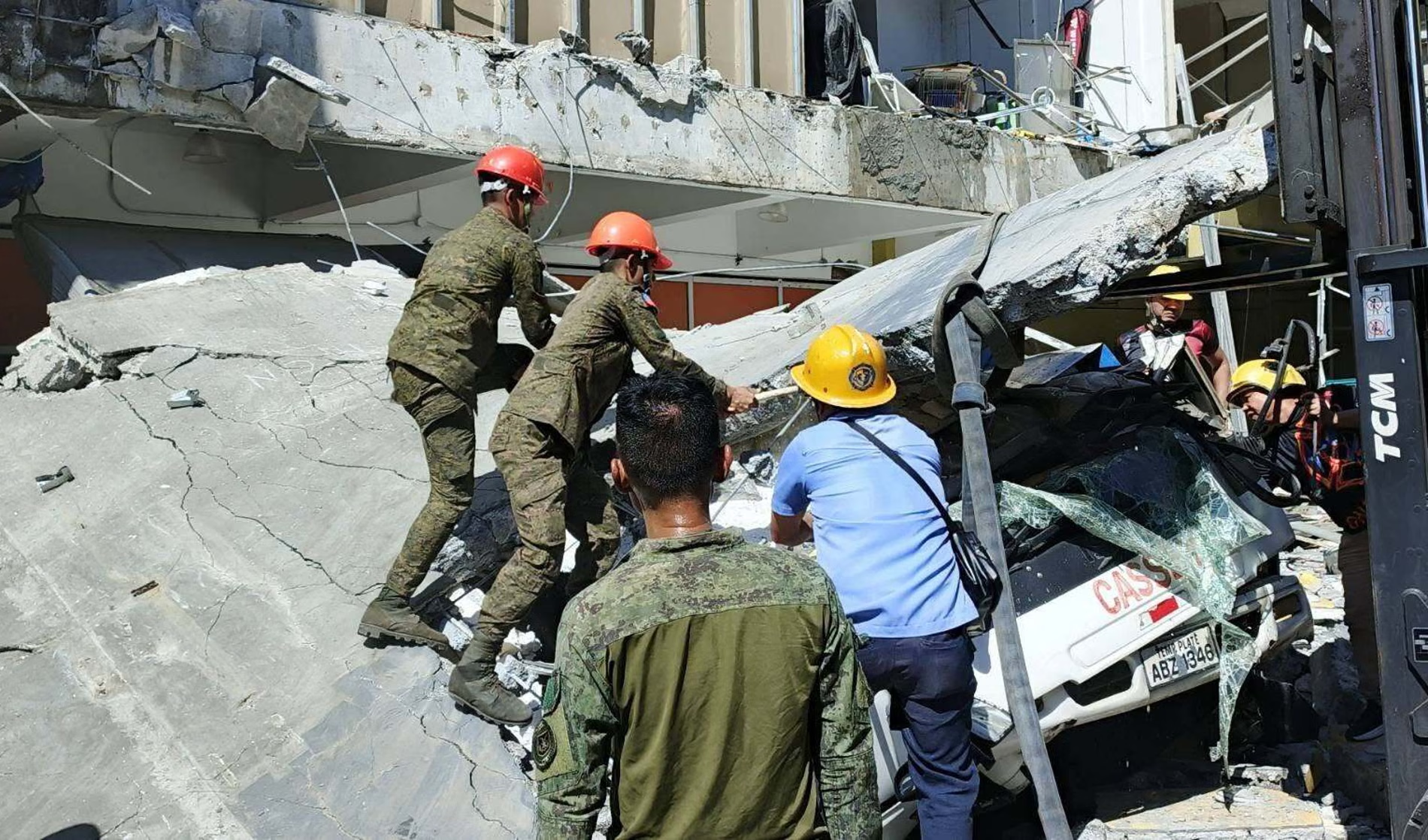
Emergency responders, search-and-rescue teams, firefighters, police officers, and military personnel were quickly deployed to the affected areas.
Their primary mission was to locate and rescue individuals trapped beneath collapsed buildings and damaged structures.
Rescue operations were made more challenging by damaged roads, disrupted communication networks, and continuing aftershocks, which posed additional risks to both survivors and rescue workers.
Medical personnel worked tirelessly to treat the injured as hospitals handled a surge of patients. In some areas, temporary medical stations were set up to provide emergency care and reduce pressure on healthcare facilities.
Relief organizations and government agencies distributed essential supplies such as food, water, blankets, and hygiene kits to displaced families.
Temporary shelters and evacuation centers were also established to provide safety and support.
Beyond the physical damage, many survivors experienced fear and anxiety due to the disaster and ongoing aftershocks.
Counseling and community support services helped residents cope with the emotional impact.
The response highlighted the importance of cooperation among emergency services, volunteers, government agencies, and aid organizations, whose efforts were crucial in saving lives and assisting affected communities.
Challenges for Recovery and Future Preparedness
Recovering from the earthquake will be a long and challenging process for affected communities.
Many homes, schools, hospitals, roads, and public facilities suffered extensive damage, requiring significant resources and time for reconstruction.
Restoring essential services such as electricity, clean water, communication networks, and transportation systems is also a major priority to help communities return to normal life.
Thousands of displaced residents face uncertainty as they wait for their homes to be repaired or rebuilt.
Providing adequate shelter, healthcare, education, and livelihood support remains an important challenge for both local and national authorities.
The economic impact of the disaster may also affect businesses, workers, and families who depend on stable infrastructure and services for their daily activities.
The earthquake highlights the Philippines’ vulnerability to natural disasters due to its location along the Pacific Ring of Fire.
It emphasizes the need to strengthen disaster preparedness through earthquake-resistant buildings, improved emergency response, regular drills, and better early warning systems.
Public education is also important, as teaching people how to respond during emergencies helps reduce risks and saves lives.
Overall, the disaster shows the importance of learning from past events to build safer and more resilient communities.
Conclusion
The June 2026 earthquake in the Philippines is a heartbreaking reminder of how quickly lives can be changed by the forces of nature.
Beyond the collapsed buildings and damaged infrastructure are thousands of families mourning loved ones, rebuilding homes, and searching for hope amid the devastation.
As rescue and recovery efforts continue, the disaster highlights the urgent need for stronger preparedness measures, safer infrastructure, and greater community resilience.
Yet even in the face of tragedy, stories of courage, unity, and compassion have emerged, showing the strength of the Filipino people.
As the nation begins the long road to recovery, may those affected find comfort, healing, and support.
My thoughts and prayers are with the victims, their families, and all those working tirelessly to rebuild lives and communities. May they find strength in this difficult time and emerge stronger than before.