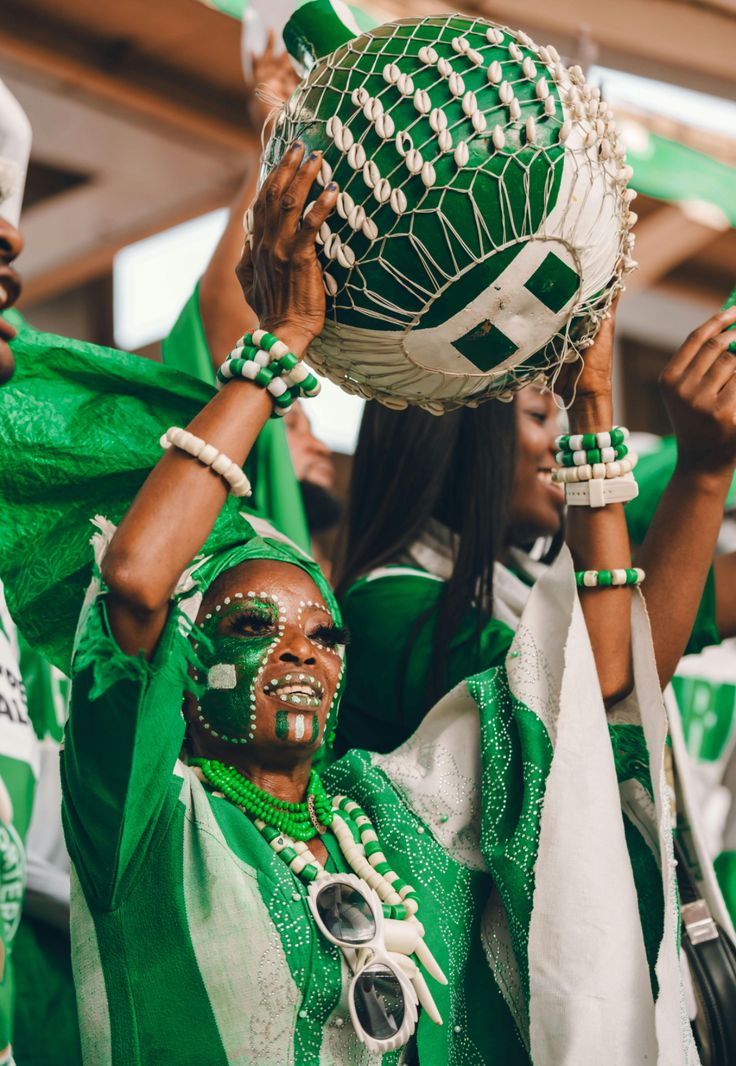
The Burden of Being Nigeria: Are We Shaping the World’s View of Black People?
Singer Brymo recently argued that Nigeria shapes what the world thinks about Black people. But does Nigeria really carry the global image of Blackness, or simply Africa’s?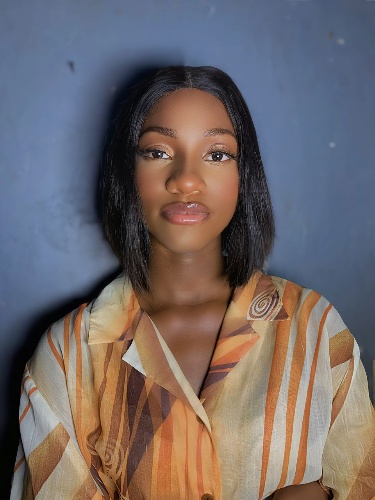
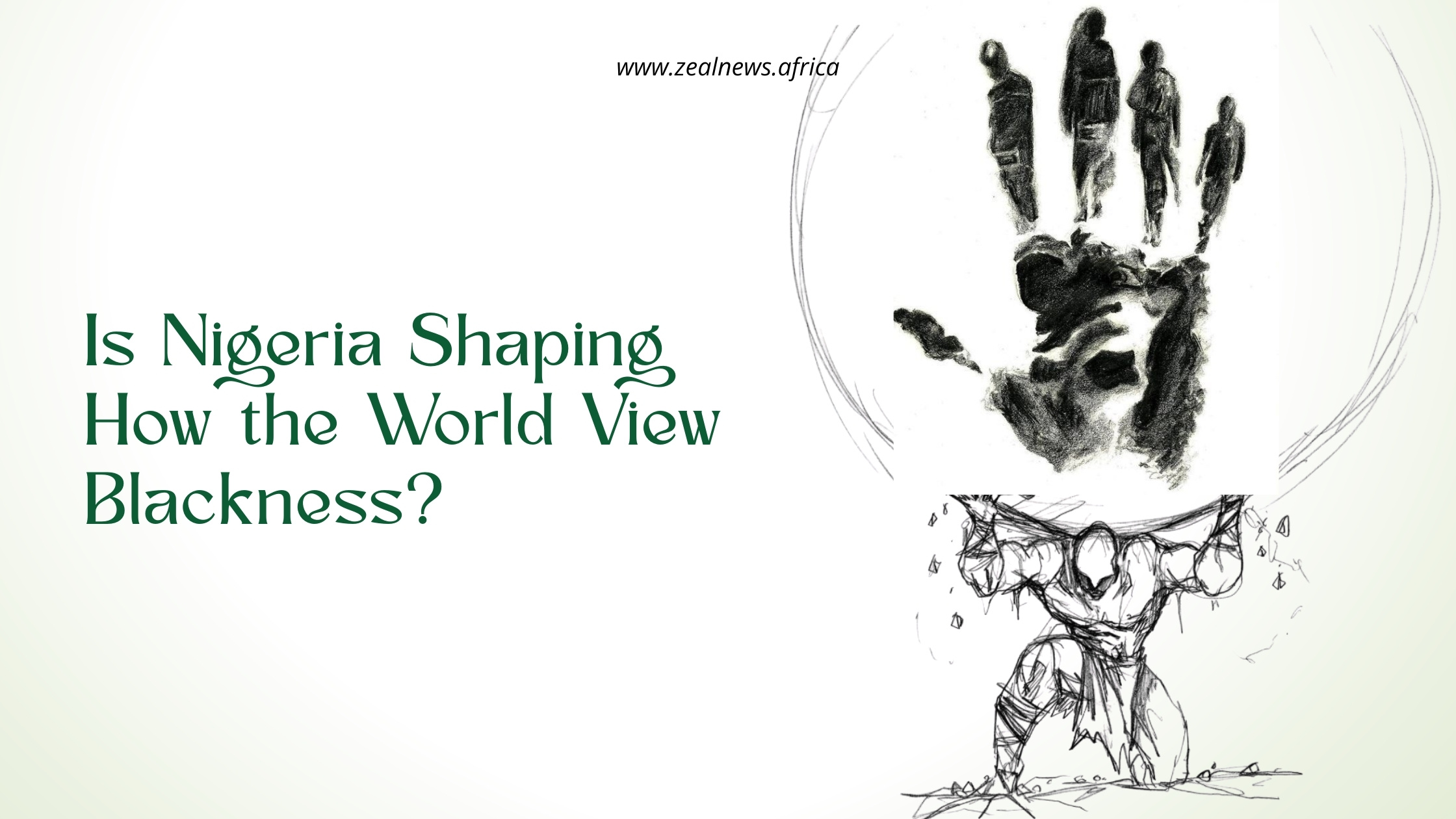
In the past week, Singer Brymo dropped a controversial statement on his Instagram story.
He said: Nigeria may be the depiction of what black folks everywhere be… And, Nigerians decide what the world thinks about every black human with.
And as controversial as it may seem, it is truly one worth sitting with. Because whether you agree with Brymo or think he is just dropping another of his takes, there is something in there worth dissecting.
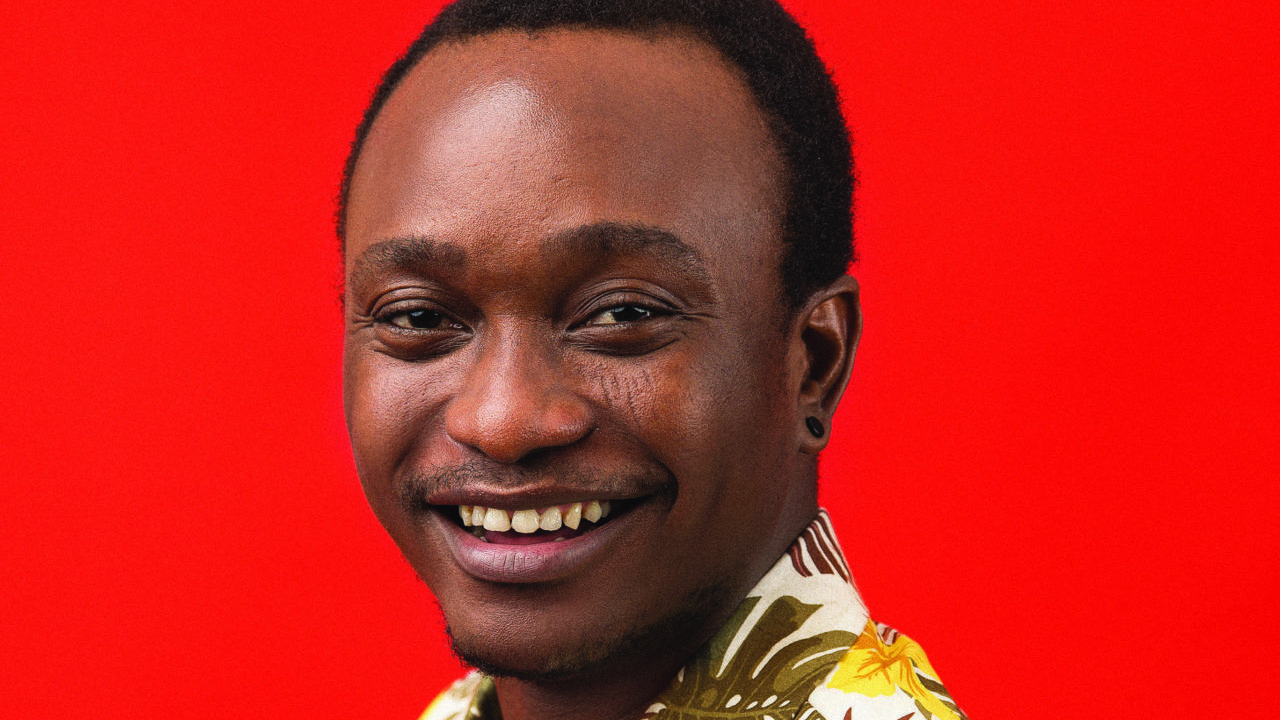
Is Nigeria really carrying the image of Black people on its back and if so, is that a crown or a cross?
Nigeria's Outsized Global Visibility
Let's start with the facts.
Nigeria is the most populous country in Africa with over 220 million people and one of the fastest-growing diaspora communities scattered across London, Houston, Toronto and beyond.
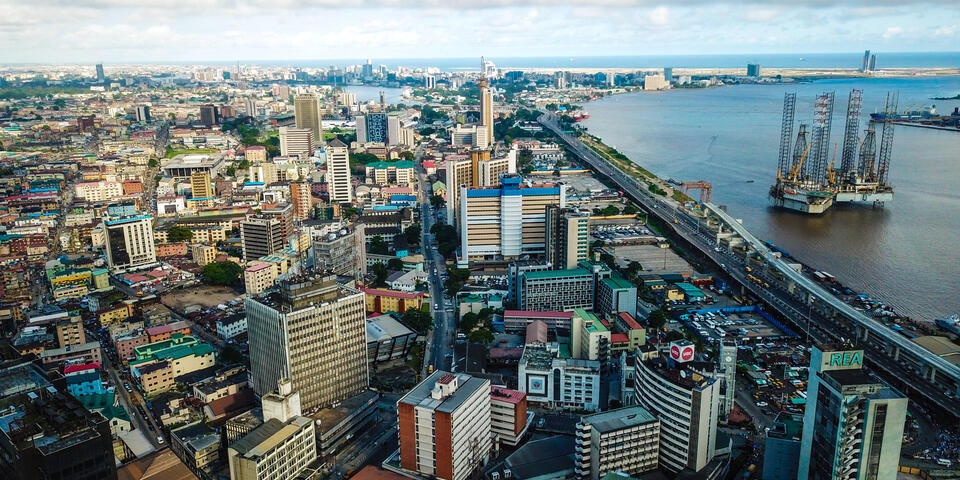
Wherever you go, there is a Nigerian there before you. There is even an inside joke that if you go to a place and there is no Nigerian, then, the place is definitely uninhabitable. That says a lot already.
And this does not end with numbers. Nigeria exports culture at a rate that most countries can only dream of. Afrobeats has gone from Lagos nightclubs to Coachella headliner slots.
Wizkid sold out the O2 Arena. Burna Boy has a Grammy. Nollywood pumps out more films annually than almost anywhere else on the planet.
Nigerian internet slang, "sapa," "e go be," "omo", has found its way into the vocabulary of people who have never set foot on the continent.
Nigeria may not speak for all Black people, but it speaks loudly for Africa.
The Stereotypes That Travel With Us
However, that same visibility carries baggage.
Social Insight
Navigate the Rhythms of African Communities
Bold Conversations. Real Impact. True Narratives.
The "Nigerian prince" email scam is still the punchline of jokes in countries where people couldn't locate Lagos on a map.

Corruption stories, political chaos and crime narratives follow the Nigerian passport around the world. Foreign media has spent decades packaging Nigeria, and by extension, Africa, as a place of dysfunction.
The problem is that when your country is loud enough to be seen, it is also loud enough to be misrepresented.
And because many people in the West still flatten an entire continent into a single story, Nigeria's negative press doesn't just stick to Nigeria. It becomes shorthand for "Africa."
Black Identity Is Bigger Than Nigeria
But here is where Brymo's argument overreaches. The global image of Black people wasn't built in Abuja. It was largely shaped in America.
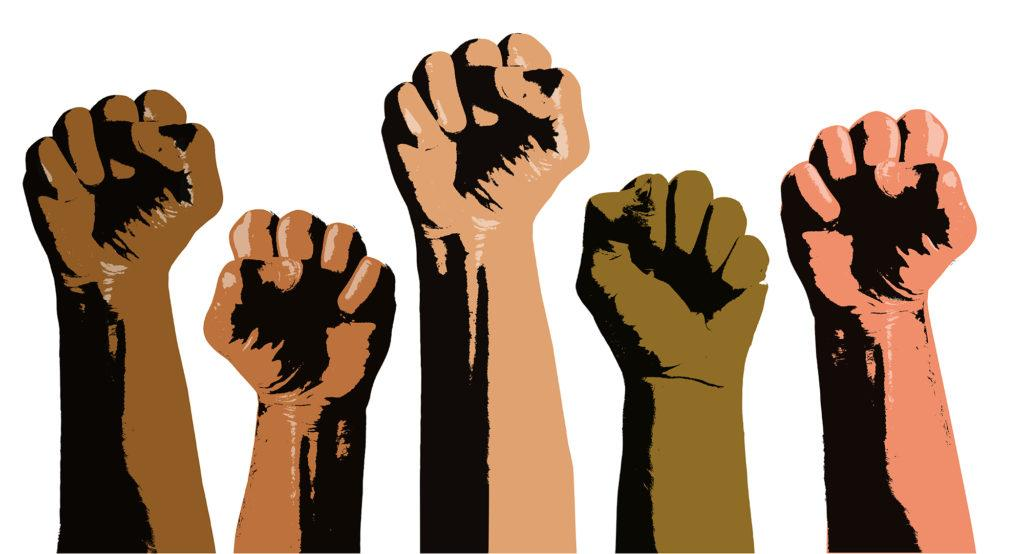

The civil rights movement, Malcolm X, Martin Luther King, the Harlem Renaissance are the reference points the world reaches for when it talks about Black identity and Black struggle.
Hollywood and hip-hop have spent decades defining what Blackness looks, sounds and feels like to a global audience. Basically, the cultural export engine has largely been American.
Nigeria influences how the world perceives Africa. It does not single-handedly control how the world perceives Black people.
Those are two different things and collapsing them into one is where the argument loses ground.
That said, he is still onto something real. Nigeria's size and cultural weight mean that Nigerians abroad are almost always doing double duty.
You are not just yourself. You are a representative.
Every Nigerian in a foreign country has felt the moment someone's face shifts when they mention where they are from, that quick mental calculation happening behind polite eyes.
When a Nigerian makes global headlines for something negative, the fallout lands on every Nigerian in that office, that university, that neighbourhood.
This is what scholars call the "representational burden", the exhausting, unfair weight of having to answer for an entire people because you happen to be the most visible version of them in the room.

Social media has made this heavier. A viral scandal travels just as fast as a Grammy win.
Social Insight
Navigate the Rhythms of African Communities
Bold Conversations. Real Impact. True Narratives.
One fraudster's court case can undo months of goodwill built by Afrobeats dominating global charts.
Nigerians abroad are constantly navigating this tension — do you challenge the stereotype head-on, or do you simply exist so loudly in your excellence that the narrative has no choice but to shift?
A Changing Narrative
The good news is that the story is changing. Afrobeats is now a genre that Billboard tracks seriously.
Nollywood titles are landing on Netflix with international audiences actually watching.
African cultural pride is no longer something that needs defending, it is something being celebrated. Nigeria is increasingly known for what it creates, not just the chaos it occasionally exports.
So was Brymo right? Partly. Nigeria carries enormous representational weight, more than most African nations, and more than is fair for any single country to bear.
But the global image of Black people is too vast, too historically layered, and too geographically spread to sit on Nigerian shoulders alone.
What Nigeria does carry is responsibility to keep pushing culture, to complicate lazy narratives and to remember that visibility is only powerful when the story being told is yours.